The lose-regain-restart cycle
The lose-regain-restart cycle is one of the most frustrating experiences for anyone trying to lose weight. It follows a predictable pattern: restriction (strict dieting) -> abstinence (follows for days or weeks) -> trigger (stress, boredom, social event) -> rupture (eats something "forbidden") -> what-the-hell effect (already ruined it, might as well eat everything) -> guilt -> restart on Monday. This pattern is not a lack of willpower. It is an emotional cycle the brain learned: restriction creates deprivation, deprivation creates anxiety, anxiety creates compulsion. The solution is not more restriction. It is breaking the cycle at the trigger phase.
- Excessive restriction is the main predictor of bingeing. The brain interprets "diet" as scarcity and responds with urgency.
- The what-the-hell effect is a classic cognitive pattern: one small transgression becomes a license to overdo it.
- The guilt that follows does not help -- it reinforces the cycle because you seek comfort in food to deal with the bad feeling.
The difference between physical and emotional hunger
One of the most important skills for weight change is distinguishing physical hunger from emotional hunger. Physical hunger comes gradually, can be satisfied with any food and stops when you are full. Emotional hunger is sudden, specific (usually for something "forbidden" or highly palatable) and does not stop even when full. Emotional hunger is not solved by food -- because the problem is not food. It is emotional discomfort the brain learned to treat with eating. Tikva helps you identify which hunger you are feeling and gives you tools to handle emotional hunger without using food.
- Physical hunger: gradual, any food works, stops when satisfied.
- Emotional hunger: sudden, specific craving, continues even when full.
- The first step is simply naming it: "Is this physical or emotional hunger?" before eating.
- Over time, this simple check-in weakens the automatic pattern of seeking food for any discomfort.
How Tikva approaches weight loss
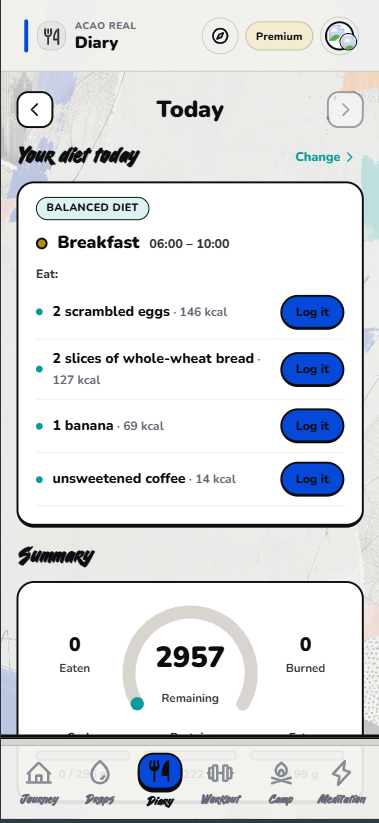
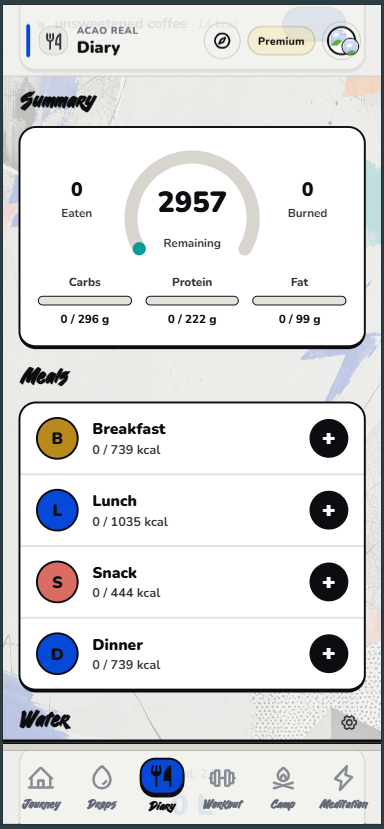
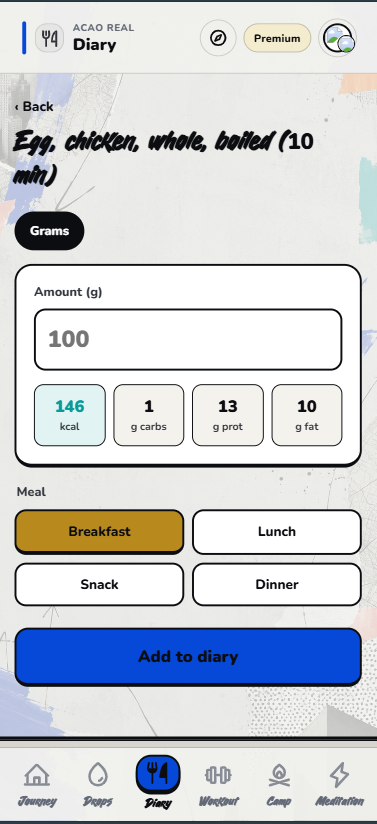
Tikva tackles weight through three integrated fronts. First, the food diary: you log what you eat and how you feel -- not just calories, but the emotional context of the meal. This reveals patterns no calorie spreadsheet can show. Second, the Journey "I want to become someone who has a healthy relationship with food," with CBT-based lessons that train your response to emotional eating, food impulses and all-or-nothing thinking. Third, the SOS for food impulses: when the urge to eat something specific hits, you open SOS and hold the impulse until it passes. The three fronts together create something dieting alone never delivers: self-knowledge about your pattern.
- Contextual food diary: not just what you ate, but how you were feeling when you ate it.
- Food Journey: short lessons that train your response to emotional and impulse eating.
- SOS for food impulses: real-time tool to hold the urge to eat without thinking.
- GLP-1 and behavior: if you are using medication like Ozempic, SOS and lessons help you work on the patterns medication does not cover.
The role of GLP-1 medications (Ozempic, Wegovy)
GLP-1 medications like Ozempic and Wegovy are powerful weight loss tools. They reduce appetite and "food noise" (the constant voice in your head thinking about food). But they do not teach you what to do when the emotional impulse appears -- because emotional impulse is not hunger. They do not address the pattern of eating out of boredom, anxiety or loneliness. And when medication is discontinued, the weight comes back if the behavior has not changed. Tikva does not replace medication. But it fills the gap medication leaves: the behavioral training to sustain change long-term.
What to expect from the Tikva food Journey
In the Tikva food Journey, you start by understanding your current pattern -- without trying to change anything, just observing. Then you learn to identify emotional triggers, distinguish physical from emotional hunger and train alternative responses to the urge to eat. The lessons are short (5-10 minutes), interactive and branching: they adapt to your choices. There is no "right answer" -- the feedback validates your choice, shows its cost and points to a stronger response. You do not earn or lose stars. Tikva measures pattern, not correctness.