Key takeaways
- The FOMC is widely expected to hold the federal funds rate at 3.50%–3.75% at the July 29 decision, marking the fifth consecutive meeting with no change.
- Top high-yield savings accounts are paying up to 4.50% APY as of July 2026, with CDs available at 4.05%–4.35% APY—rates that may erode if the Fed signals a September cut.
- The average 30-year fixed mortgage rate stands at 6.43%–6.58% as of July 27, 2026, and could move sharply based on Powell's press conference tone.
- June CPI showed headline inflation cooling to 3.5% and core inflation to 2.6%, giving the Fed room to pivot—but oil prices and sticky services inflation keep the path uncertain.
- CME's FedWatch tool briefly showed a 46.5% chance of a rate hike in mid-July before cooler data pulled expectations back to a 90% probability of a hold.
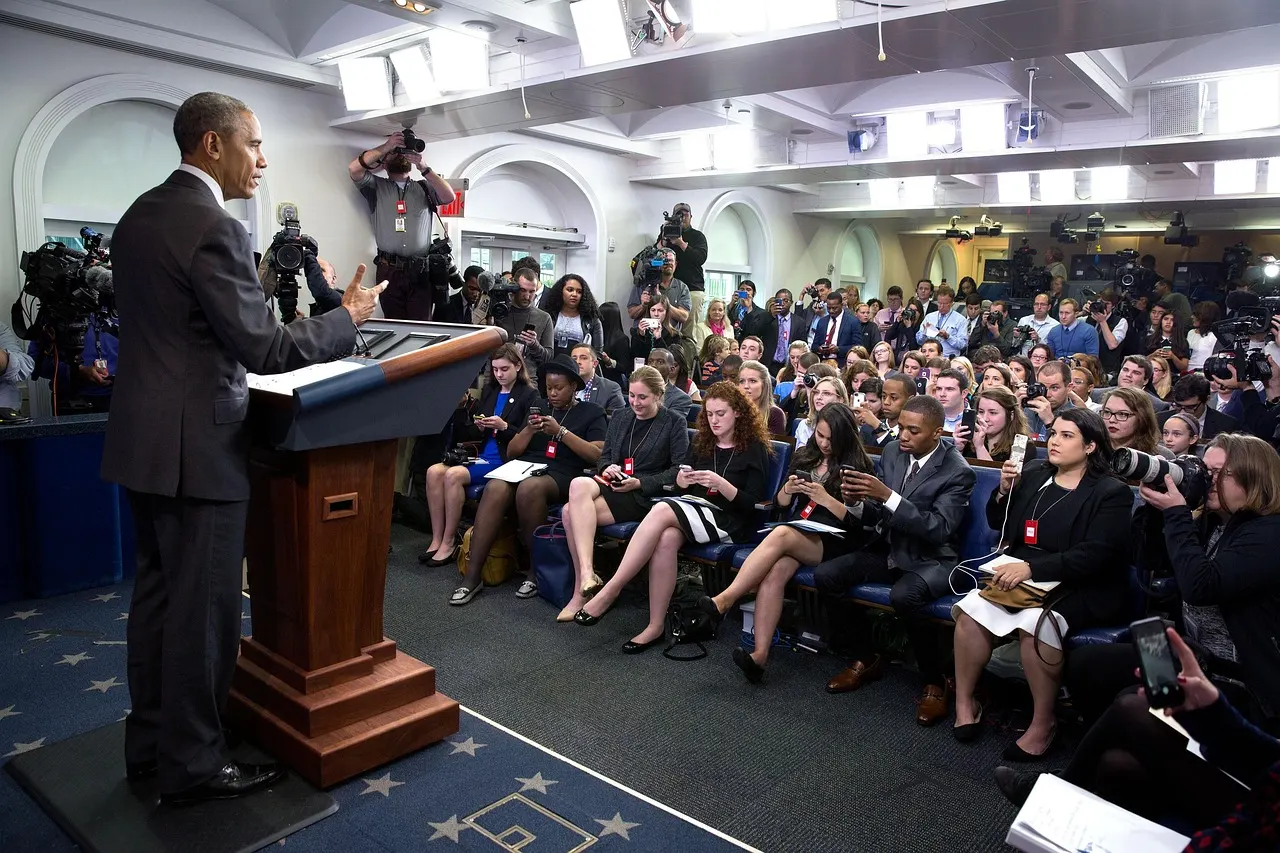
By the time Jerome Powell steps to the podium this afternoon, the Federal Open Market Committee will have almost certainly done exactly what futures markets predict with 90% confidence: nothing. The federal funds rate is poised to hold steady at 3.50%–3.75% for the fifth consecutive meeting, capping a stand-pat streak that stretches back to early 2026.
But the inaction is not the story. The story is the signal.
With the July 28–29 FOMC meeting concluding today, investors, mortgage shoppers, and savers are fixated on a single question: does a September pivot loom, or is the Fed settling into a prolonged pause that keeps borrowing costs elevated through year-end? The answer—delivered in Powell's press conference tone, the statement's edits, and any guidance about the balance of risks—will move markets within milliseconds. For the rest of us, it will move money: specifically, whether 4.50% high-yield savings rates stick around, whether mortgage rates fall below 6.5%, and whether it's finally time to lock in a CD.
How We Got Here: The Rate-Cut Cycle That Stalled
rewind to late 2025, and the script was supposed to be different. The Fed had already begun its easing cycle, trimming rates from their 2023–2024 peak as inflation cooled from 40-year highs. Goldman Sachs Research forecasted two additional cuts in 2026, which would have landed the federal funds rate at 3.00%–3.25% by year-end. Economists at major banks were penciling in a gentle glide path lower.
That glide path hit turbulence. Inflation proved sticky. Headline CPI, which had been drifting toward the Fed's 2% target, reaccelerated in early 2026—hitting 4.2% year-over-year in May before easing to 3.5% in June, according to the Bureau of Labor Statistics. Core inflation, which strips out volatile food and energy costs, reached a seven-month high of 2.9% in May before pulling back to 2.6% in June. The progress was real, but the pace was slower than the Fed wanted.
At the June 17 FOMC meeting, the Committee voted to hold rates at 3.50%–3.75%. That decision marked a turning point: as Kiplinger reported, the Fed essentially abandoned clear "forward guidance" about future rate decisions. The message from June was that nothing had been decided for later in the year. June's minutes, released July 8, revealed a Committee genuinely split—officials offered competing cases for rate hikes and cuts, with no consensus on the next move.
Now comes July. And the stakes for Powell's communication are higher than the decision itself.
What the Markets Are Pricing Now
The smart money has been on a hold for weeks. Polymarket's prediction contracts show a 90% probability that the Fed maintains the current rate range at today's decision. That's up sharply from earlier in the month, when a rate hike was a live possibility: CNBC reported on July 13 that CME's FedWatch tool showed a 46.5% chance of a quarter-point hike on July 29—a number that spooked markets before cooler inflation data and dovish commentary pulled expectations back.
The tug-of-war between hike and hold reflects genuine economic crosscurrents. On one side: oil prices have been rising, and the Fed's own Monetary Policy Report, released July 10, flagged higher energy costs as an inflation risk. On the other: June's CPI data offered relief. Headline inflation fell 0.4% month-over-month in June after rising 0.5% in May—the first decline in five months. Core inflation cooled to 2.6%, below the 2.8% economists expected.
What matters now is how Powell characterizes that data. If he emphasizes the improvement and downplays the oil risk, markets will price in a September cut. If he stresses that inflation remains above target and that the Committee needs "greater confidence"—a phrase he's used repeatedly—the higher-for-longer narrative regains control.
The betting markets are already hedging. Polymarket's September contract shows diminished expectations for a cut, with some traders pricing in the possibility that the Fed holds through the fall entirely.
What a Hold Means for Your Savings
For anyone holding cash, the current rate environment is the best of both worlds: you're earning meaningful yield without taking meaningful risk. The question is how long it lasts.
As of today, the top high-yield savings accounts are paying up to 4.50% APY, according to Fortune's July 9 survey. The competitive landscape remains strong: GO2bank offers up to 4.50% (capped at the first $5,000), Forbright Bank offers 4.15%, and Axos ONE Savings offers 4.21%. These rates dwarf the FDIC's national average of 0.38%—which means anyone still parking money in a big-bank savings account earning 0.01% to 0.05% is leaving hundreds or thousands of dollars on the table annually.

If the Fed holds today—and signals that cuts are not imminent—those savings rates hold steady. Banks compete for deposits by offering attractive APYs, and they have no reason to cut those rates aggressively if their own cost of capital isn't falling. That means the next few weeks are an opportunity to shop around. Rates between 4% and 4.50% are likely to persist into September, at minimum.
The calculus shifts if Powell signals a September cut. Savings rates typically move in lockstep with the federal funds rate, usually within one to two Federal Reserve cycles. A rate cut in September would likely trigger a slow erosion of high-yield savings APYs by October or November—not a cliff, but a drift downward toward the 3.5%–4.0% range.
The CD Lock-In Window
For savers willing to commit their cash for a fixed term, certificates of deposit offer a way to outlast the uncertainty. And right now, the terms are still attractive.
The best CD rates for July 2026 show a wide range of options. According to Bankrate, E*TRADE leads with 4.05%–4.35% APY across terms from six months to five years, with no minimum deposit. First National Bank of America offers 3.60%–4.25%. For shorter terms, Investopedia reports that Nuvision Credit Union offers 5.00% APY on a four-month CD (for deposits between $1,000 and $5,000). For one-year terms, Popular Direct offers 4.17% APY with a $10,000 minimum.
The strategy here is straightforward. If you believe the Fed is on the verge of cutting rates, locking in a 4.25%–4.35% rate on a two- to five-year CD protects your yield even as market rates fall. If you believe rates stay elevated, a shorter-term CD—six months to a year—lets you roll over into a similarly high rate early next year.
There's a case for building a CD ladder regardless of what Powell says today. By spreading money across maturities—say, equal amounts in six-month, one-year, two-year, and three-year CDs—you capture current rates while maintaining the flexibility to reinvest as each rung matures. At today's rates, a $40,000 ladder would generate roughly $1,600–$1,740 annually in guaranteed interest, versus roughly $150 in a typical big-bank savings account.
What a Hold Means for Your Mortgage
Mortgage rates have been stuck in a narrow band for months, and today's decision—absent a surprise—won't break them out of it.
As of today, July 27, Bankrate reports the average 30-year fixed mortgage rate at 6.43%, with FHA loans at 6.43%, VA loans at 6.49%, and jumbo loans at 6.73%. The Mortgage Reports' daily survey shows rates starting at 6.748%. For the week ending July 23, Money magazine reports the 30-year fixed averaged 6.58%—up slightly from prior weeks but still under the 7% threshold that had spooked buyers earlier in the year.
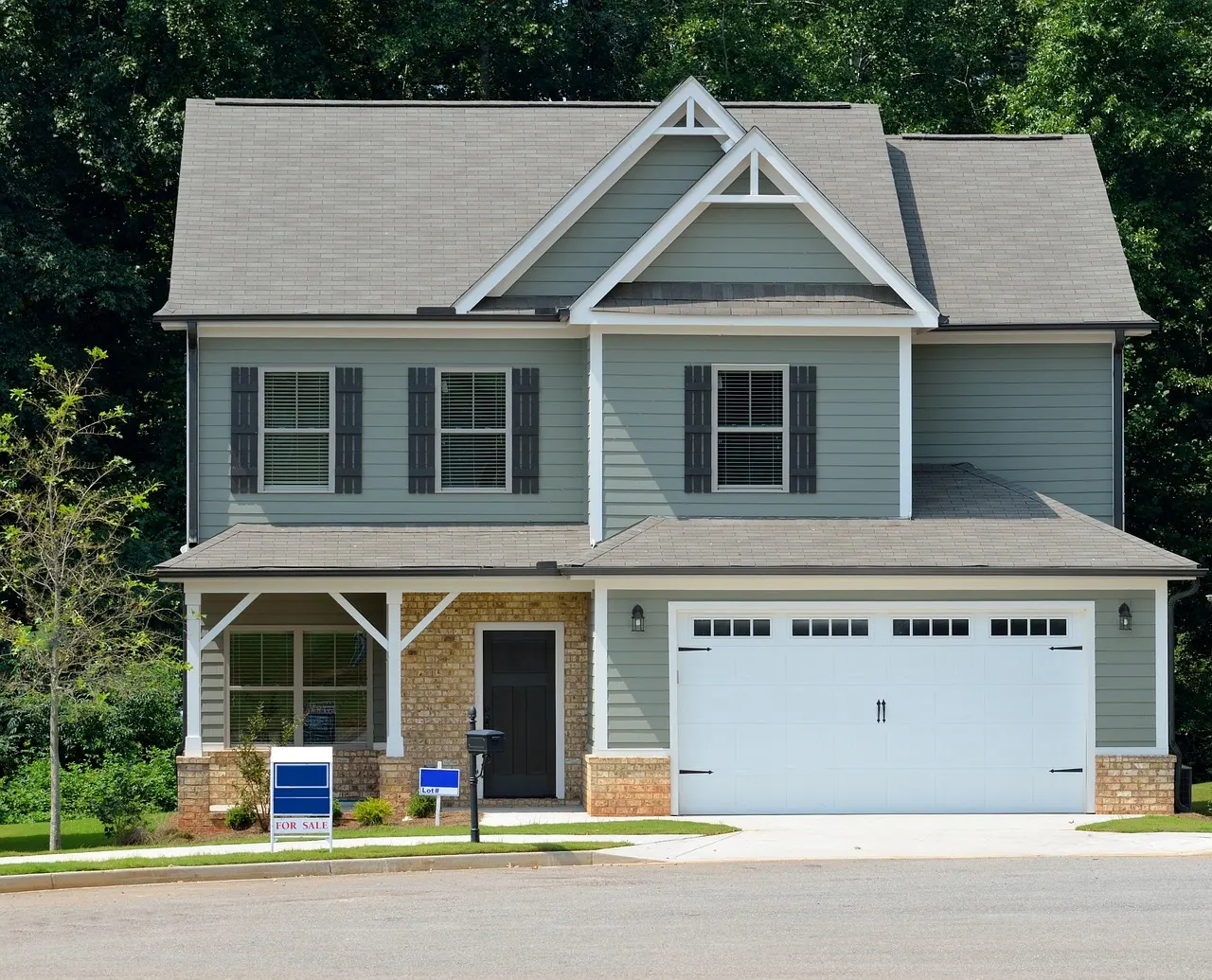
Mortgage rates are not set by the Fed directly—they're driven by the 10-year Treasury yield and the spread between that yield and mortgage-backed securities. But Fed policy anchors the entire rate complex. When the Fed signals that rate cuts are coming, Treasury yields typically fall, and mortgage rates follow within days or weeks.
That means today's hold is less important than Powell's tone. If he opens the door to a September cut, expect mortgage rates to tick down to the low 6% range within a week. If he closes it, expect them to drift back toward 6.75%–7%.
For anyone considering a home purchase or refinance, the practical advice is to watch Powell's press conference at 2:30 PM Eastern—not for the decision itself, but for the language. If "greater confidence" appears repeatedly, wait. If he emphasizes "downside risks to employment" or acknowledges that "progress on inflation is continuing," lock your rate quickly.
The Rate-Hike Tail Risk
One scenario deserves attention, if only because it was on the table earlier this month: a rate hike.
The fact that CME's FedWatch tool showed a 46.5% probability of a July hike on July 13 reveals something important about this moment. The Fed's June minutes showed officials actively debating whether to raise rates—a discussion that would have been unthinkable a year ago. The trigger was the inflation reacceleration in April and May, which pushed headline CPI to 4.2%.
June's cooler data cooled those hike expectations. But the underlying tension remains: inflation is at 3.5%, well above the Fed's 2% target, and oil prices are a wildcard. If inflation reaccelerates in the July or August CPI reports—released before the September FOMC meeting—the rate-hike conversation returns.
For consumers, the tail risk matters because it changes the optimal strategy. If you think a hike is possible, delaying a mortgage refinance makes sense—wait for rates to fall back. If you think cuts are coming, refinancing now (before the market prices them in) is the better play. The same logic applies to CDs: a hike would likely push CD rates even higher in September, making short-term commitments more attractive now.
What to Watch at 2:30 PM
Jerome Powell's press conference is the main event. Here's what to listen for, beyond the headline rate decision:
1. The word "sustainable." Powell has repeatedly said the Fed needs to see "sustainable" progress toward 2% inflation before cutting. If he drops the word or qualifies it—"we are seeing sustainable progress"—that's a signal. If he emphasizes it—"we need to see more sustainable progress"—higher-for-longer is back.
2. The balance of risks. In June, the Committee was split. Powell will be asked about the internal debate. If he emphasizes the upside risks to inflation (oil, services inflation, wage growth), markets will price out a September cut. If he emphasizes downside risks to employment or growth, markets will price one in.
3. Any reference to the September meeting. The Fed is rightly cautious about pre-committing to future decisions. But Powell's phrasing matters. "The Committee will assess all available data at its September meeting" is neutral boilerplate. "The Committee expects to have sufficient data by September to make a determination" is a cut signal.
4. The dot plot. There's no updated Summary of Economic Projections at this meeting—that comes in September. But Powell may be asked about the June projections, which showed a median estimate of 3.4% for the federal funds rate at year-end 2026. That implies one more quarter-point cut this year. If Powell reaffirms that projection, it's a sign the Fed still sees one cut as the baseline.
The Bottom Line for Your Wallet
Today's decision is almost certainly a hold. What matters is whether Jerome Powell opens the door to a September cut or closes it. That single signal will determine whether savings rates start drifting lower by fall, whether mortgage rates break below 6.5%, and whether the window to lock in 4%+ CD rates is closing or staying open.
For savers: the current environment is still a gift. High-yield accounts are paying 4%–4.50%, and CDs are available up to 4.35%. If you've been waiting for the perfect moment, this is it—the rates are here now, and they may not be in three months. Move cash from low-yield accounts, build a CD ladder, and capture the yield while it exists.
For borrowers: mortgage rates in the mid-6% range are neither historically high nor historically low. The decision to buy, sell, or refinance should hinge on Powell's tone today and your own timeline—not on trying to time the absolute bottom of the market. If rates fall to the low 6% range after a September cut, refinancing becomes more attractive. If they don't, waiting costs you the home you want or the payment relief you need.
The Fed's next move is anyone's guess—including, at this point, the Fed's. But the yield is real today. Capture it.
The article shows the pattern. The app trains the response.
Continue in Tikva to turn the insight into a repeated response.
Open TikvaSources and review notes
Tikva separates educational content from medical, legal, investment, and personalized financial advice. Sensitive pages should be reviewed by qualified professionals before high-scale publication.
- Federal Reserve FOMC Meeting Calendars — confirms July 28-29, 2026 meeting dates and schedule
- CNBC — CME FedWatch tool showing 46.5% probability of a July rate hike on July 13, 2026
- Bureau of Labor Statistics CPI Report June 2026 — confirms 3.5% headline inflation and 2.6% core rate
- Bankrate — Best High-Yield Savings Accounts of July 2026 showing rates up to 4.15% APY
- Bankrate — 30-Year Mortgage Rates as of July 27, 2026, showing 6.43% average
- Federal Reserve Monetary Policy Report July 2026 — confirms federal funds rate at 3.50%-3.75%
FAQ
Will the Fed cut interest rates at the July 29, 2026 meeting?
No. Markets assign a 90% probability to the Fed holding the federal funds rate at 3.50%–3.75%. The real question is whether Jerome Powell signals a cut for the September 15–16 meeting during his afternoon press conference.
What happens to my high-yield savings account if the Fed holds rates?
Your rate likely stays stable in the 4%–4.50% APY range for the next several weeks. Banks adjust savings rates based on the federal funds rate, so a hold means today's top rates persist. If the Fed cuts in September, expect savings APYs to drift lower by October or November.
Should I lock in a CD now or wait?
Locking in now makes sense if you want certainty. Top CD rates for July 2026 range from 4.05% to 4.35% APY on terms from six months to five years. If the Fed cuts rates this fall, those offers will likely disappear. A CD ladder—spreading money across multiple maturities—lets you capture current rates while keeping flexibility.
Will mortgage rates go down after the Fed's July meeting?
The decision itself won't move mortgage rates much. What matters is Powell's tone. If he signals a September rate cut is likely, the 10-year Treasury yield could fall, pulling 30-year mortgage rates from the current 6.43%–6.58% range toward the low 6% range within a week. If he stresses higher-for-longer, expect rates to hold or drift higher.