Key takeaways
- The 10% Section 122 global import surcharge expired by operation of law at 12:01 a.m. EDT on July 24, 2026—150 days after its February 24 start—because Congress did not extend it.
- USTR is replacing it with Section 301 tariffs of 10% or 12.5% on roughly 60 economies, based on forced labor transshipment and manufacturing overcapacity investigations.
- Federal Reserve research shows the tariff window added at least 0.5 percentage point to core PCE inflation and raised import prices roughly 5%, with clothing and footwear potentially up 7.5%.
- The CIT ruled Section 122 unlawful in May 2026; importers paid billions in duties whose refund depends on the Federal Circuit appeal.
- Consumers should expect continued price pressure on targeted goods—apparel, coffee, electronics, auto parts—but possible relief on products from exempt countries.
At 12:01 a.m. Eastern Time today, July 24, 2026, the broadest U.S. trade barrier of the modern era collapsed by operation of law. The 10 percent global import surcharge imposed under Section 122 of the Trade Act of 1974—signed February 24 for a maximum 150 days—has reached its statutory sunset. No act of Congress arrived to extend it. The wall fell.
But for consumers, the end of the across-the-board duty does not mean the end of tariff-driven price pressure. In its place, the Office of the U.S. Trade Representative has spent the spring and early summer building a patchwork of Section 301 tariffs targeting roughly 60 economies—with proposed levies of 10 percent or 12.5 percent depending on the country and the finding. On July 21, USTR Ambassador Jamieson Greer publicly confirmed that new Section 301 duties would take effect as Section 122 lapses, citing investigations into forced labor transshipment and manufacturing overcapacity.
The transition is the most consequential shift in U.S. trade policy since the original “Liberation Day” tariffs of April 2025. It determines what you pay for clothing, electronics, coffee, appliances, and auto parts through the remainder of 2026 and into 2027.
Why the 10% Wall Fell
Section 122 of the Trade Act of 1974 gives the president authority to impose temporary import surcharges of up to 15 percent for a maximum of 150 days to address balance-of-payments emergencies. It is, by design, a short-term shock tool—not a permanent tariff regime. When President Trump invoked it on February 24, 2026, the proclamation explicitly acknowledged the 150-day clock, setting expiration at 12:01 a.m. EDT on July 24.
Congional extension was always unlikely. Senior leadership in both parties expressed skepticism about the legal and economic basis of the surcharge. Meanwhile, the U.S. Court of International Trade (CIT) ruled in May 2026 that the administration exceeded its authority, though the U.S. Court of Appeals for the Federal Circuit allowed the tariffs to remain in effect while the appeal proceeded. The appellate stay became legally moot the moment the 150-day window closed.
“The 10 percent global tariff is dead at midnight,” says Erica York, an economist who tracks trade policy. “The question is what fills the vacuum, and whether importers can actually tell the difference.”
What Replaces It: The Section 301 Architecture
The replacement structure rests on two parallel USTR investigations launched in March and May 2026:
- Forced labor transshipment investigations covering 60 economies. USTR determined that dozens of countries failed to adequately prevent goods made with forced labor from entering their supply chains. In June, USTR proposed additional duties of 10 percent on imports from 14 economies and 12.5 percent on imports from 46 others, including Algeria, Angola, Australia, the Bahamas, Bahrain, Brazil, Chile, and others.
- Manufacturing overcapacity investigations targeting 16 major trading partners, including the European Union, Singapore, Japan, China, and others. These cover industrial inputs, semiconductors, and critical minerals.
The structure means the end of the universal 10 percent levy is, in practice, a reshuffling rather than a rollback. For some countries and product categories, the new combined rate could be higher than under Section 122. For others—particularly covered goods from U.S. free-trade-agreement partners—it could be lower or zero.
Greer’s July 21 remarks confirmed the sequencing. The new Section 301 duties are designed to activate as the old authority lapses, avoiding what importers feared most: a policy gap with no clear rule of the road.
What the Data Says About Prices So Far
The Federal Reserve Bank of Minneapolis, using daily pricing data across 350,000 goods tracked by country of origin, found that import prices ran roughly 5 percent higher during the tariff window. Domestic prices for competing goods also climbed above trend, suggesting companies used the tariff as cover to raise prices on locally made alternatives.
The Federal Reserve Bank of San Francisco estimated in a March 2026 economic letter that tariffs were associated with measurable increases in the price of imported consumption and investment goods, alongside a modest drag on U.S. economic activity. The Boston Federal Reserve put the core PCE inflation contribution from new tariffs at a minimum of 0.5 percentage point.
The Yale Budget Lab’s tariff tracker found that imported core goods and durable goods prices each rose 1.5 percent through January 2026—well above the pre-tariff trend.
For households, this has shown up in specific aisles:
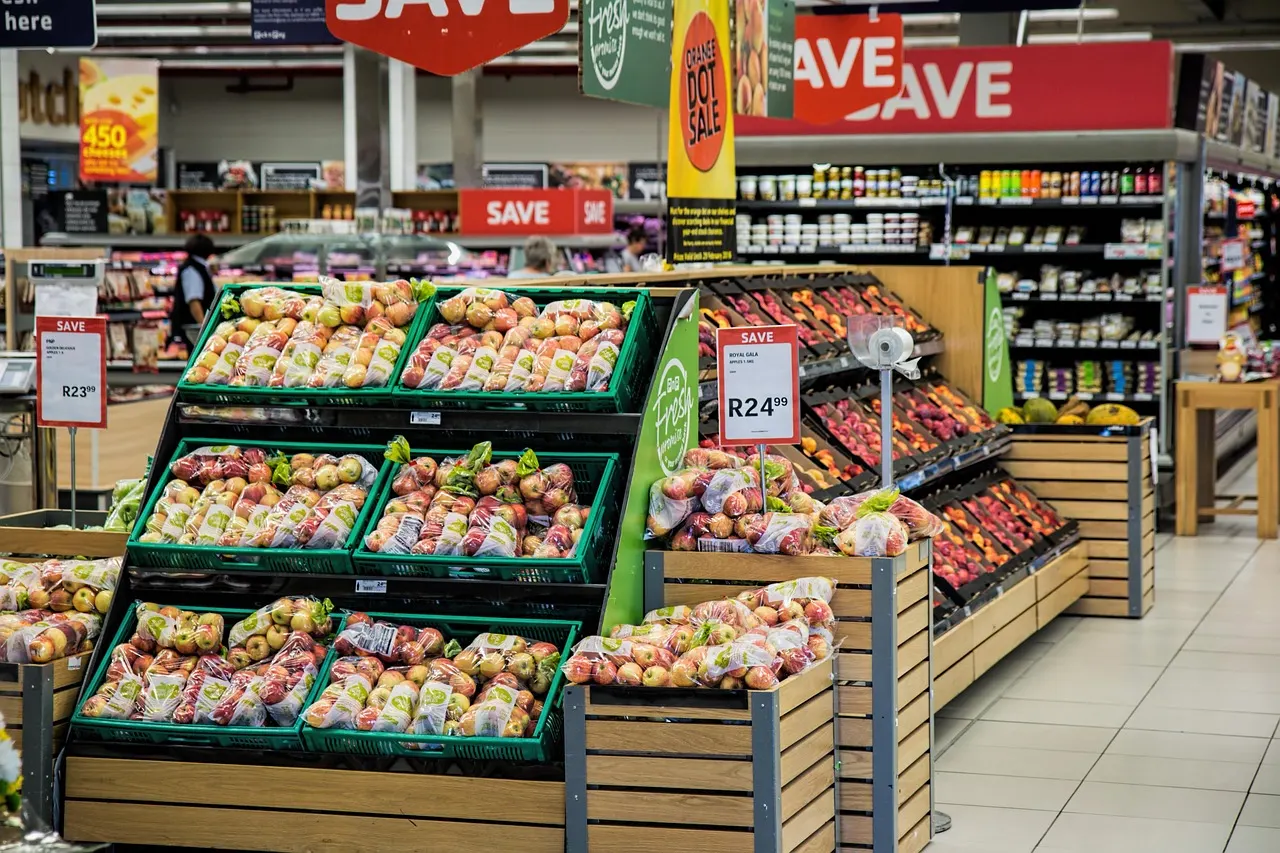
- Clothing and footwear: Prices on imported apparel could rise as much as 7.5 percent if tariff pressure persists, according to retail analyses cited by AARP.
- Coffee, olive oil, and packaged foods: Sourced heavily from Brazil, Chile, and other targeted economies, these categories face continued pressure under the new 301 structure.
- Electronics and appliances: Goods transshipped through Southeast Asian economies face scrutiny under the forced labor investigations, keeping pressure on finished goods prices.
- Auto parts and new vehicles: New model pricing has already absorbed tariff-related input cost increases, and the Section 301 overcapacity investigations cover critical industrial inputs.
What Happens to the Money Already Collected
One unresolved question is the fate of the duties already paid. The CIT’s May ruling invalidated Section 122 tariffs but limited immediate relief to the three named importer plaintiffs. The government appealed, and the Federal Circuit allowed collection to continue during the appeal.
With the authority now expired, thousands of importers who paid the 10 percent surcharge between February 24 and July 24 are weighing whether to file protests to preserve their right to potential refunds. Law firms including Gibson Dunn, Holland & Knight, and Nixon Peabody have advised clients that the appellate outcome will determine whether billions in collected duties must be returned.
The U.S. government has not disclosed total Section 122 collections, but trade flow data suggests the figure runs into the tens of billions of dollars.
The Legal Wildcard: More Court Challenges Ahead
The Section 301 replacement structure faces its own legal exposure. The same constitutional arguments that nearly brought down Section 122—questions about whether the president has authority to impose tariffs outside of specific congressional delegations—apply to the new investigations.
India has already formally objected to the Section 301 forced labor determination, contending it lacks legal foundation and factual support. Other affected economies are expected to follow with challenges at the World Trade Organization and in U.S. courts.
For businesses, the practical takeaway is that tariff rates in effect today may not be tariff rates in effect six months from now. Importers are advised to maintain documentation, file protective protests where appropriate, and treat any duty calculation as provisional through 2027.
What Consumers Should Actually Do
For households, the shift from a universal 10 percent surcharge to a targeted Section 301 structure has three practical implications:
- Prices on targeted goods will not fall. If anything, goods from the 60 named economies may see equal or higher tariff rates under Section 301. Expect continued pressure on apparel, footwear, coffee, and certain electronics through the back-to-school and holiday shopping seasons.
- Prices on exempt goods may ease. Products from countries and categories outside the Section 301 net could see relief as the 10 percent across-the-board duty disappears. Watch for discounting in categories sourced primarily from U.S. free-trade-agreement partners.
- Refund uncertainty is real but slow-moving. If you run a business that paid Section 122 duties, consult trade counsel on protective filings. If you are an end consumer, there is no mechanism to claim a refund—any returned duties flow to importers, who may or may not pass savings through.
For most households, the honest assessment is this: the 10 percent wall is gone, but the price level it helped establish is not coming down quickly. Retailers have already reset shelf prices upward, and the new targeted tariffs keep cost pressure on the categories that matter most for daily spending.
The better question is not whether prices will fall—they likely will not—but whether your income is keeping pace with the new normal. The tariff story is no longer about the policy instrument. It is about the price level, and that level is now the baseline.
The article shows the pattern. The app trains the response.
Continue in Tikva to turn the insight into a repeated response.
Open TikvaSources and review notes
Tikva separates educational content from medical, legal, investment, and personalized financial advice. Sensitive pages should be reviewed by qualified professionals before high-scale publication.
- White House Proclamation on Section 122 — confirms 150-day, 10% surcharge effective Feb. 24, 2026
- CNBC — Greer confirms new Section 301 tariffs as Section 122 expires July 24
- International Trade Insights — USTR proposes 10% and 12.5% Section 301 tariffs on 60 economies
- Minneapolis Fed — daily pricing data show 5% import price increase across 350,000 goods
- Boston Fed — tariffs add at least 0.5 ppt to core PCE inflation
- Gibson Dunn — CIT invalidated Section 122; appeal at the Federal Circuit
FAQ
Will prices go down now that the 10% tariff is gone?
Not for most goods. The replacement Section 301 tariffs are equally or more targeted on the countries and categories that drive consumer prices—clothing, footwear, coffee, electronics. Expect continued pressure on those items, with possible relief only on products from exempt countries.
What is the difference between Section 122 and Section 301 tariffs?
Section 122 is a temporary, across-the-board import surcharge capped at 15% for 150 days to address balance-of-payments problems. Section 301 is a permanent authority used to respond to specific unfair trade practices—such as forced labor transshipment or manufacturing overcapacity—and can target individual countries and products.
Can businesses get refunds on Section 122 duties already paid?
Only if the Federal Circuit upholds the Court of International Trade’s ruling that the tariffs were unlawful. Importers who paid the 10% surcharge should file protective protests with trade counsel to preserve refund rights while the appeal is pending.
Which countries face the new Section 301 tariffs?
Roughly 60 economies are covered. USTR proposed 10% tariffs on 14 economies and 12.5% tariffs on 46 others—including Brazil, Chile, Australia, Bahrain, Algeria, and Angola—based on forced labor findings. A separate overcapacity investigation targets 16 major partners including the EU, Japan, Singapore, and China.