Key takeaways
- Brent crude oil prices surged past the $90 per barrel mark on July 20-21, 2026, driven by direct military escalation between the US and Iran, heavily roiling global markets.
- The historically depleted US Strategic Petroleum Reserve limits the government's ability to artificially flood the market with supply, significantly amplifying the upside risk of a physical supply shock.
- Airlines and consumer discretionary sectors face immediate margin compression, as jet fuel and global freight costs represent some of their most inelastic, largest operating expenses.
- Integrated oil majors like ExxonMobil and Chevron, alongside high-yield midstream MLPs like Enterprise Products Partners, provide the strongest portfolio hedges due to their vertical integration and fee-based revenue models.
- Investors should heavily scrutinize consumer staples, as sustained $90 oil dramatically increases the cost of petrochemical packaging and trucking logistics, silently eroding historically defensive margins.
On July 20, 2026, the floor of the New York Mercantile Exchange shifted abruptly. Escalating military conflict between the United States and Iran in the Strait of Hormuz sent Brent crude futures violently upward, smashing through the $90 per barrel barrier for the first time in recent months. By the opening bell on Thursday, July 23, the global financial system is actively pricing in the reality of a constrained global oil supply. If your retirement account or active trading portfolio is still positioned for a placid, low-inflation environment, the time to stress-test your allocations is right now.
The geopolitical premium has returned to energy markets. According to Markets.com and multiple tier-one financial outlets reporting earlier this week, the immediate catalyst for the price spike was a direct military exchange that threatened roughly 20 percent of the world’s daily oil transit. For everyday investors, a sustained $90+ oil environment acts as a massive tax on the broader economy—squeezing consumer spending, crushing margins in transport-heavy sectors, and aggressively rewiring inflation expectations. Understanding exactly which sectors to hedge, and which energy equities to buy, is the difference between weathering the storm and taking on water.
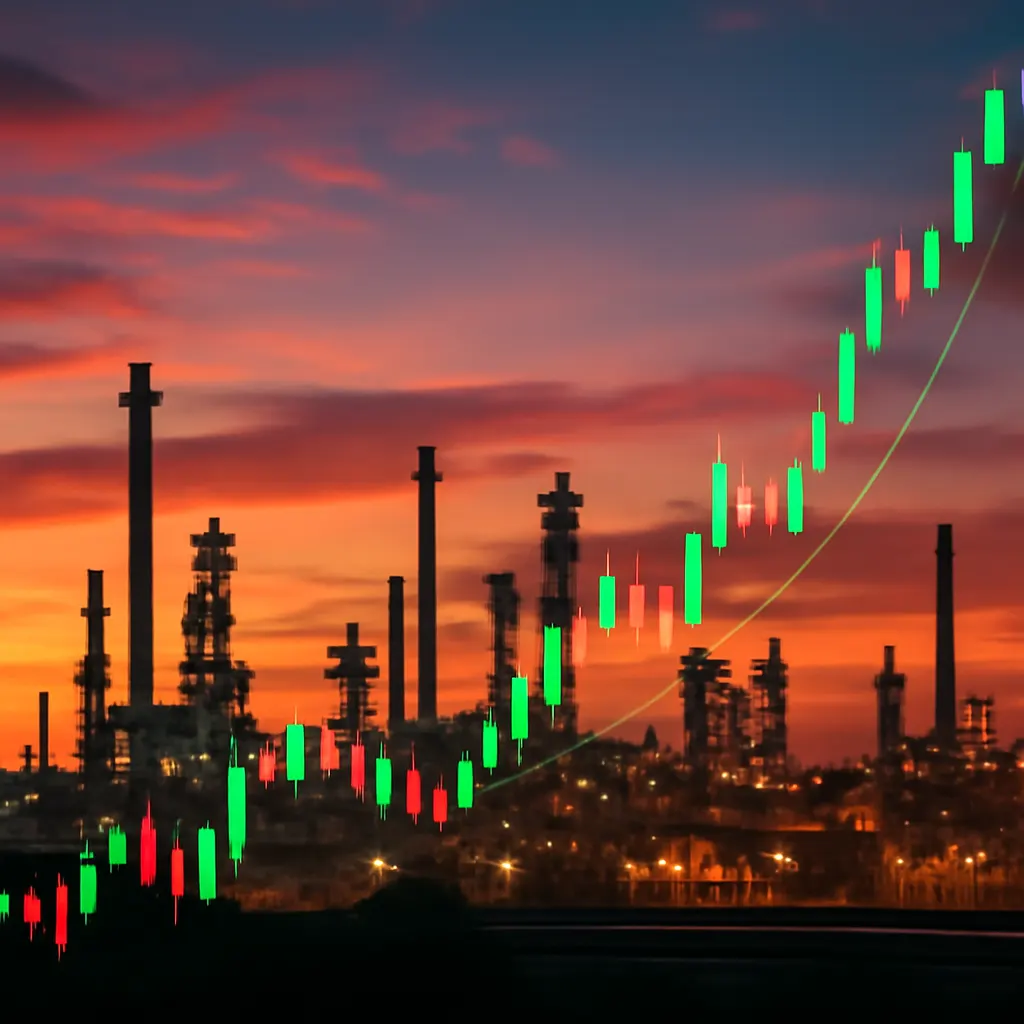
The Macroeconomic Squeeze: What $90 Oil Actually Breaks
Crude oil is the lifeblood of global logistics. When its price sustains levels north of $90, the ripple effects are immediate and severe. Historically, consumers feel the pain at the gas pump within 48 to 72 hours of a wholesale spike, which directly cannibalizes discretionary spending. The first sector to experience a heavy downward stress-test is consumer discretionary. Companies relying on imported goods or complex global supply chains face ballooning freight costs that rapidly compress profit margins.
Airlines provide a textbook example of what happens when airlines face an unhedged fuel cost crisis. Jet fuel, a direct derivative of crude, typically represents an airline's largest or second-largest operating expense—often hovering around 20% to 30% of total operating costs. When oil spikes by $15 to $20 a barrel in a matter of days, unhedged carriers see their quarterly earnings forecasts obliterated. In the current environment, analysts expect airline equities to face immediate selling pressure. Furthermore, historical data from previous Middle East flare-ups demonstrates that freight and logistics companies see contracting operating margins as they struggle to pass sudden fuel surcharges onto consumers without depressing demand.
The Strategic Petroleum Reserve and Global Supply Constraints
The severity of the current $90 oil price is magnified by the underlying physical market conditions. Throughout 2023 and 2024, the US Strategic Petroleum Reserve (SPR) was drawn down to its lowest levels in four decades. While there have been subsequent attempts to repurchase and refill the reserve, the physical capacity to flood the market with emergency supply during a sudden geopolitical crisis is severely constrained compared to historical norms. This lack of a deep buffer means that any disruption in the Strait of Hormuz translates into direct, immediate price multipliers rather than being absorbed by government stockpiles.
Furthermore, global spare capacity is overwhelmingly concentrated in OPEC nations. In its recent Monthly Oil Market Reports, OPEC has consistently highlighted strong expected demand growth, particularly from non-OECD countries in Asia, alongside a need for substantial upstream investment to prevent structural deficits. When geopolitical risk meets a fundamentally tight physical market, the upside risk to oil prices becomes heavily skewed. Investors must recognize that a supply shock under these conditions is far more dangerous than a similar shock a decade ago.
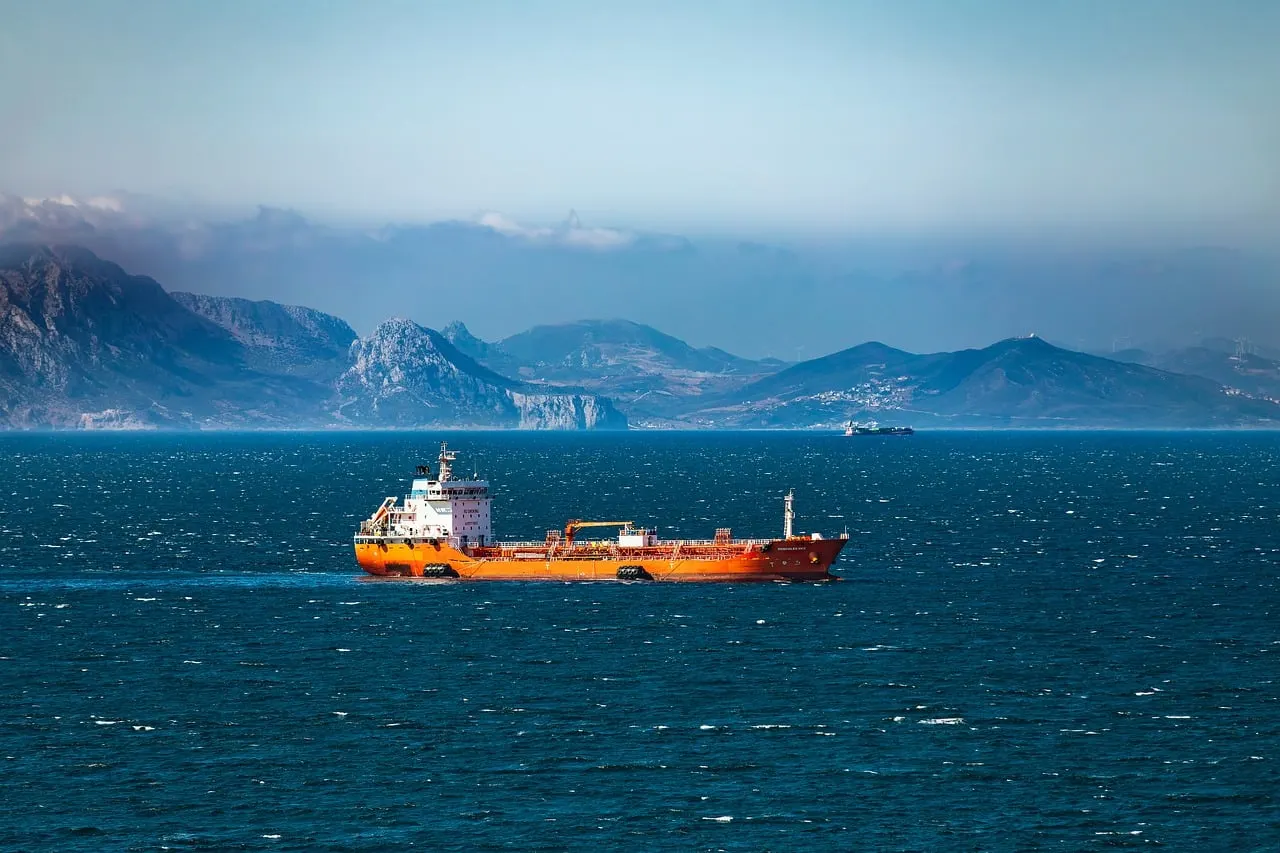
Positioning for Upside: Which Energy Stocks to Buy
If you are going to stress-test your portfolio for a geopolitical energy shock, you must actually allocate capital to the energy sector. Buying oil exposure is not a monolithic trade. The most defensive and cash-generative plays during a sustained price spike are the integrated oil majors—companies like ExxonMobil (XOM) and Chevron (CVX). These corporate behemoths boast vertically integrated operations, meaning they profit from both upstream exploration (pulling the oil out of the ground) and downstream refining (processing it into usable fuel). When oil prices spike, their upstream cash flows surge, while their refining divisions capture crack spreads that often widen during supply panics. Furthermore, their fortress balance sheets allow them to continue paying and growing their dividends, providing a tangible yield buffer against broader market volatility.
For more aggressive tactical positioning, domestic exploration and production (E&P) companies offer high-beta exposure to the spot price of crude. Entities like Diamondback Energy (FANG) or Occidental Petroleum (OXY) carry lower operating costs today than during previous energy cycles. With much of their production hedged at lower prices set to roll off into a $90 environment, their free cash flow yields are poised to expand dramatically. Another critical lever is the energy infrastructure sector—Master Limited Partnerships (MLPs) and midstream companies like Enterprise Products Partners (EPD). These pipeline operators charge volume-based fees largely insulated from the direct price of crude, offering high yields (often 6% to 7%) and operational stability when equity markets turn turbulent.
How to Hedge Your Vulnerable Assets
Protecting your portfolio requires more than just buying the winners; it demands actively insulating the losers. Beyond airlines and consumer discretionary goods, take a hard look at the consumer staples sector. While generally considered defensive, consumer staples rely heavily on plastic packaging (petrochemicals) and extensive trucking networks. Sustained $90 oil drives up the cost of goods sold (COGS) for massive consumer packaged goods companies, squeezing their historically wide margins and making them surprisingly vulnerable during an energy shock.
For direct hedging mechanisms, institutional and retail investors alike can utilize the United States Brent Oil Fund (BNO) or the United States Oil Fund (USO) to take direct long positions in physical crude futures. Alternatively, if your analysis suggests that the market has overreacted to the US-Iran news and a de-escalation is imminent, an inverse exchange-traded fund like the ProShares Short Oil & Gas (DDG) can provide leveraged downside protection. However, exercise extreme caution with inverse and leveraged ETFs; their daily reset mechanics make them suitable only for short-term tactical hedges, not long-term buy-and-hold strategies.

The Immediate Action Plan
Do not wait for a formal recession declaration or an official ceasefire to reposition your capital. Review your 401(k) and brokerage allocations today. If you are heavily overweight in high-multiple technology stocks that rely on cheap capital and boundless economic growth, recognize that sustained $90 oil acts as a aggressive drag on the broader economy, increasing the likelihood of central banks keeping interest rates higher for longer. Rebalance by trimming extended positions in logistics, airlines, and unprofitable growth names. Redirect that capital into the cash-flowing energy majors and midstream pipelines that thrive precisely when the rest of the market is tightening its belt.
The Strait of Hormuz is a narrow geographic chokepoint with massive financial gravity. As the US-Iran conflict reshapes global supply chains in real-time, the financial markets will continue to price in the risk. Arm your portfolio with the physical assets and cash-flowing energy equities necessary to survive the squeeze, and insulate your consumer-facing holdings before the broader market fully digests the new reality of $90 crude.
The article shows the pattern. The app trains the response.
Continue in Tikva to turn the insight into a repeated response.
Open TikvaSources and review notes
Tikva separates educational content from medical, legal, investment, and personalized financial advice. Sensitive pages should be reviewed by qualified professionals before high-scale publication.
- Markets.com — Coverage of macroeconomic catalysts moving crude oil prices and geopolitical risk premiums.
- OPEC Monthly Oil Market Report — Data on global spare capacity, structural demand growth, and tight physical market conditions.
- US Energy Information Administration — Data detailing the historical correlation between crude oil prices and airline jet fuel operating costs.
- US Department of Energy — Historical context on Strategic Petroleum Reserve drawdowns and current low capacity constraints.
FAQ
Why does a price spike to $90 a barrel hurt the broader stock market?
High oil prices act as a regressive tax on the global economy. They drastically increase the cost of logistics, manufacturing, and consumer transportation. This eats into corporate profit margins and forces consumers to spend more on basic energy needs, leaving less money for discretionary goods. Sustained high oil prices also increase inflation, which pressures the Federal Reserve to keep interest rates elevated.
How exactly do integrated oil companies like ExxonMobil act as a hedge?
Integrated oil companies are vertically integrated. They extract crude oil (upstream), transport it (midstream), and refine it into products like gasoline and jet fuel (downstream). When geopolitical conflict spikes the price of raw crude, their upstream divisions generate massive cash flow. Simultaneously, supply fears usually increase refining margins, making their downstream operations highly profitable as well.
Are consumer staples safe during an oil price shock?
Not entirely. While consumers do not stop buying food and household goods during an oil shock, the companies producing these goods face severe margin pressure. Most consumer staples rely heavily on plastic packaging (derived from petrochemicals) and rely on extensive diesel-powered trucking networks. They often struggle to pass these sudden cost spikes onto consumers without temporarily losing market share.
Should I buy inverse ETFs like ProShares Short Oil & Gas to protect my portfolio?
Only as a highly tactical, short-term maneuver. If you believe the US-Iran tensions will de-escalate rapidly and oil will drop, an inverse ETF can provide a quick hedge. However, due to their daily reset mechanics, inverse ETFs suffer from volatility decay and are highly unsuitable for long-term holding periods, which can destroy capital even if the underlying asset eventually drops in price.