Key takeaways
- The AAA national average hit $4.0990 on July 28, 2026, a 15-cent jump in one week, despite a two-day pause in US-Iran hostilities.
- War-risk insurance for ships transiting the Strait of Hormuz is four times the five-year average, costing up to 10 percent of a ship's hull value, which is passed directly to consumers.
- Brent crude spiked above $100 per barrel on July 24, 2026, before retreating, but retail gas prices follow crude upward much faster than they follow it downward.
- The global oil market has lost over a month of normal supply chain operations; a 48-hour ceasefire cannot undo the structural damage to shipping routes and refinery sourcing.
On July 26, the United States paused its attacks on Iran for a second straight day, and Tehran followed suit. By all geopolitical rights, that de-escalation should have sent oil prices tumbling. It did not. As of July 28, the AAA national average for a gallon of regular gasoline sits at $4.0990, up sharply from just a week prior. Brent crude, the global benchmark, closed July 24 at roughly $100.91 before backing off to the $86–$94 range on mixed signals.
So why is the pump still punishing you? The short answer is that a two-day pause in airstrikes does not undo months of structural damage to global energy logistics. The Strait of Hormuz—the narrow chokepoint through which roughly one-fifth of the world's oil flows—remains a combat zone. Shipping traffic is crawling, war-risk insurance premiums have quadrupled or more, and the global crude supply chain is still effectively operating in crisis mode. The ceasefire addressed the missiles; it did not address the market.
The Ceasefire That Wasn't (For Oil Markets)
Context matters. The current pause is the latest twist in a conflict that has see-sawed for months. On July 8, President Trump declared an earlier ceasefire "over," triggering an immediate spike in crude prices and a slide in equities. The resumption of hostilities reversed a month-long drop in fuel prices that had briefly offered consumers relief. That relief is now a distant memory.
Fast forward to late July: after a nearly two-week escalation that saw US forces target Iranian coastal infrastructure, both sides stepped back. But the oil market's response was immediate and unambiguous: prices barely budged downward. Why? Because the ceasefire is tactical, not structural. Traders and analysts have learned that these pauses are fragile. The market is pricing in the distinct probability that this pause breaks, just as the previous one did. That uncertainty premium—estimated by various analysts to add anywhere from $5 to $15 per barrel to the crude price—gets passed directly to you at the pump.
Furthermore, the physical realities on the ground lag geopolitical headlines. A bomb that destroyed a loading terminal last week means a tanker that was supposed to load this week isn't loading. No headline changes that. The supply chain is operating with a permanent, structural delay baked in by months of active conflict.
The Strait of Hormuz: Your Wallet's Bottleneck
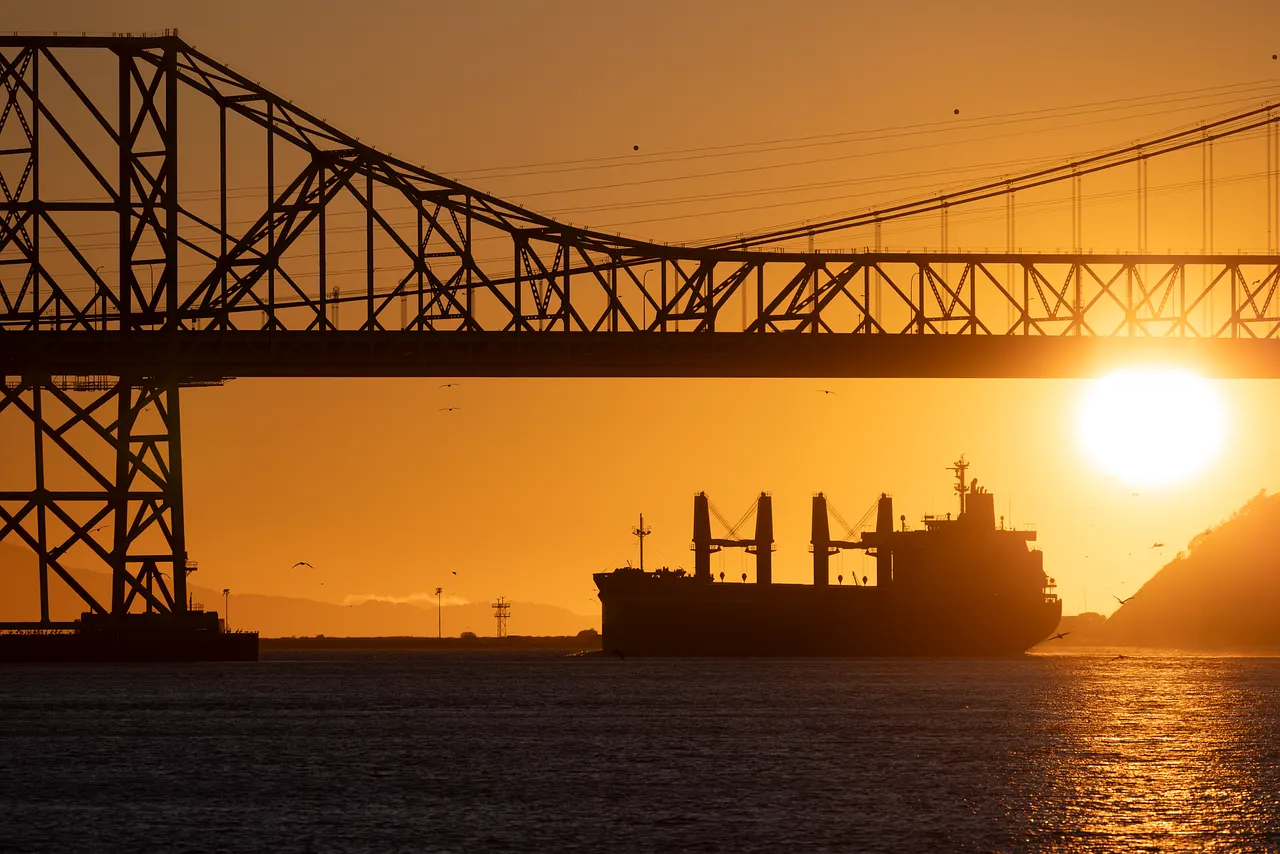
To understand why gas prices are stubborn, you must understand Hormuz. At its narrowest, this stretch of water between Iran and Oman is just 21 miles wide. It is the only sea route from the Persian Gulf to the open ocean. According to the Kiel Institute, the strait carries roughly one-fifth of the world's oil and one-quarter of its liquefied natural gas (LNG). When it is disrupted, the entire global energy pricing mechanism is disrupted.
And it has been profoundly disrupted. The 2026 Strait of Hormuz crisis has seen Iran declare the waterway "closed" and carry out attacks on transiting vessels. While complete physical blockade has been averted—over 100 ships have crossed in recent days according to The New York Times—the transit is now fraught with delays, inspections, and military posturing. Ships are moving, but slowly and at massive expense.
That expense is the second-order effect hitting your wallet: war-risk insurance. According to reporting from Al Jazeera and industry data, insurance rates for transiting Hormuz are currently four times the five-year average, ranging between 3 and 10 percent of a ship's hull value. For a $100 million oil tanker, that translates to a $3–$10 million premium just to make the transit. Those costs are baked into the delivered price of every barrel of crude that eventually becomes your gasoline. There is no ceasefire for insurance actuaries.
The Numbers at the Pump
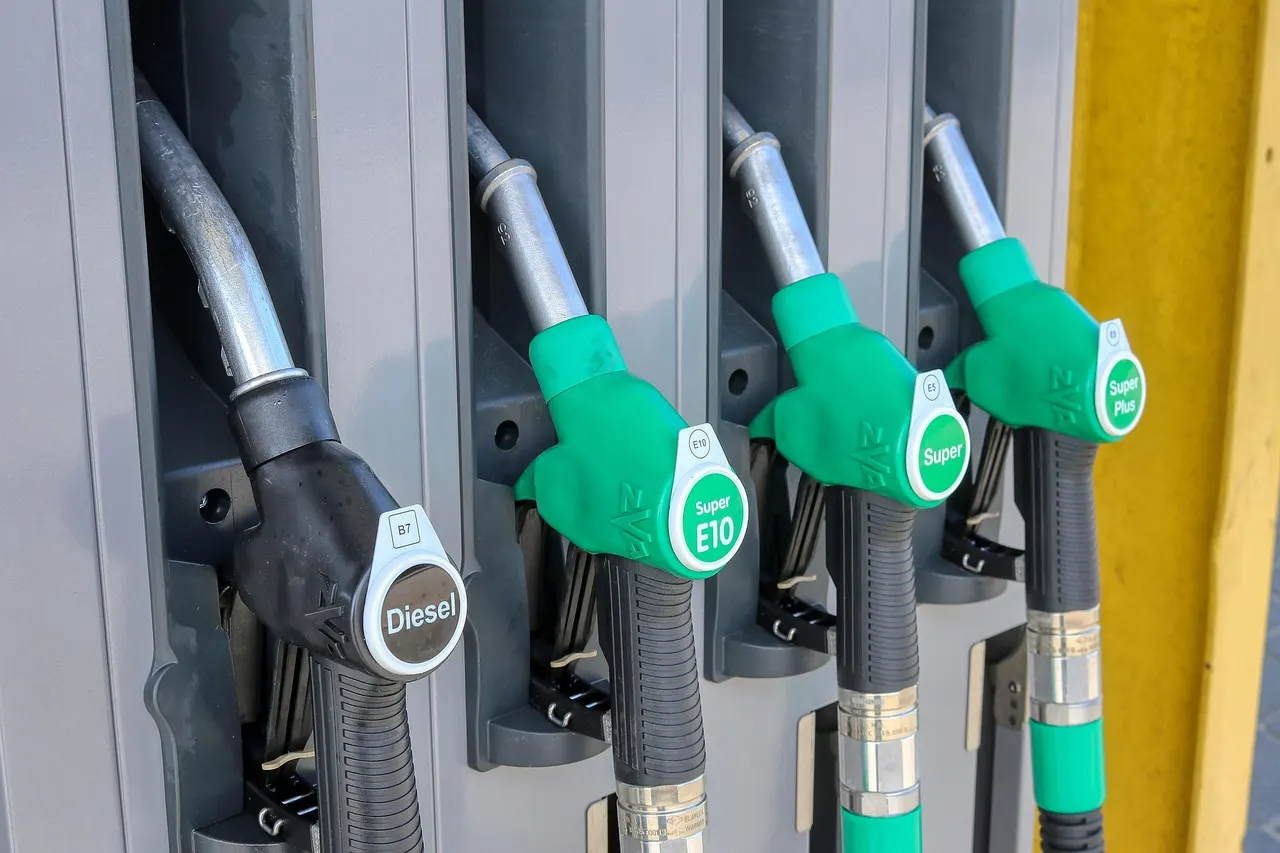
Let us break down the math. According to AAA, the national average for regular unleaded was $4.0030 on July 20. By July 23, it had jumped 15 cents to $4.09. By July 28, it ticked up again to $4.0990. Compare that to July 2025, when the average hovered near $3.15. That is a year-over-year increase of roughly 30 percent. In some states, the pain is sharper; in others, slightly less, but the upward pressure is national.
The driver is crude oil. When Brent spiked above $100 per barrel in late July, that price signal moved through refining and distribution networks within days. Even as Brent retreated to the high $80s by July 28, retail prices did not follow suit downward. This is the classic "rockets and feathers" effect: gas prices shoot up like a rocket when crude spikes, but drift down like a feather when crude falls. Retailers are often locked into higher-priced inventory purchased during the peak, and they will not lower prices until that inventory clears and is replaced by cheaper stock—if cheaper stock materializes.
Why a Two-Day Pause Changes Nothing
The core reason your gas prices remain elevated is that a 48-hour pause in military strikes does not unclog a global supply chain. Several structural realities persist regardless of who is shooting at whom on any given Tuesday:
- Shipping bottlenecks: Even with active transit, the strait is handling traffic at reduced efficiency. Delays mean tankers spend more time in transit, effectively reducing the available global fleet capacity. Spot shipping rates for Middle East–Asia routes have nearly tripled since the start of 2026, according to Howden Re.
- Insurance premiums: As long as the risk profile of the strait remains elevated—regardless of a temporary pause—insurers will continue charging crisis-level premiums. Lloyd's market underwriters do not care about a two-day headline; they care about the demonstrated capability of one side to close the strait.
- Refinery positioning: US refineries, particularly those on the Gulf Coast configured to process heavy crude, have spent months scrambling to secure non-Persian Gulf supply. Reconfiguring supply chains back to pre-conflict sourcing takes months, not days. The global market is currently paying a premium for "safe" crude that has not touched Hormuz.
- Inventory lag: The gasoline in your local station's underground tank was likely refined from crude purchased weeks ago at peak prices. Retailers will not discount that inventory until it is sold and replaced.
Understanding these mechanics gives you leverage. The price you see is not arbitrary; it is the output of a specific set of global logistics under stress. And those logistics do not reset because a diplomat issued a statement.
What This Means for August
As we move into August, several factors will keep pressure on prices. Summer demand remains high, with US drivers logging significant miles. Refineries are operating near capacity to meet peak gasoline demand, leaving little room for error. Any unplanned outage—a refinery fire, a hurricane in the Gulf of Mexico—would compound the already-elevated baseline.
The wildcard, as ever, is the ceasefire's durability. If this pause extends and negotiations progress, we may see a gradual unwinding of the risk premium. Oil could settle back into the $70s, and gas prices would follow, albeit with that characteristic lag. But if the pause breaks—as the July 8 precedent suggests is entirely possible—expect crude to retest $100 and gas prices to push toward $4.30 or higher nationally.
The market is effectively holding its breath. Every trader, every refiner, every retailer is waiting to see if the guns stay silent. Until they do, for a sustained period, the damage to the supply chain remains the dominant economic reality. The Strait of Hormuz is not just a line on a map; it is a tax on every mile you drive, and that tax is not being repealed anytime soon.
What You Can Actually Do
You cannot control Brent crude or war-risk premiums, but you can manage your exposure. First, price shop aggressively. According to LendingTree data, prices can vary by 20-30 cents per gallon within the same metropolitan area. Use apps to find the cheapest stations along your regular routes. Second, if you have a vehicle that requires premium fuel, check your owner's manual—many modern engines can safely run on regular, saving you 40-60 cents per gallon. Third, if you are in the market for a vehicle, factor in the reality that $4 gas may be the new normal for the foreseeable future. Fuel efficiency is no longer a environmental talking point; it is a financial hedge against geopolitical instability.
The pump prices of August 2026 are a tax on a disrupted world. Understand the mechanism, and you can at least navigate it intelligently.
The article shows the pattern. The app trains the response.
Continue in Tikva to turn the insight into a repeated response.
Open TikvaSources and review notes
Tikva separates educational content from medical, legal, investment, and personalized financial advice. Sensitive pages should be reviewed by qualified professionals before high-scale publication.
- AAA Fuel Gauge Report — national average gas price data for July 2026
- NPR — US-Iran two-day pause in hostilities starting July 26, 2026
- Yahoo Finance — Brent crude oil futures pricing data for late July 2026
- Al Jazeera — shipping insurance rates at Strait of Hormuz being four times the average
- Kiel Institute — Strait of Hormuz carrying one-fifth of global oil supply
- LendingTree — year-over-year gas price increase data and local price variation
FAQ
Why didn't gas prices drop immediately after the US-Iran ceasefire?
Gas prices are driven by crude oil prices and supply chain logistics, both of which lag geopolitical headlines. The gasoline at your local station was refined from crude purchased weeks ago at peak prices. Additionally, a two-day pause in hostilities does not reduce war-risk insurance premiums or unclog shipping bottlenecks at the Strait of Hormuz; those structural costs remain until there is a sustained, durable ceasefire.
How does the Strait of Hormuz affect US gas prices?
The strait handles roughly 20 percent of the world's daily oil supply. When shipping through it is disrupted by conflict, the cost of moving that oil skyrockets due to delays and war-risk insurance premiums that are currently 3-10 percent of a ship's value. These transit costs are added to the global price of crude, which directly determines the price you pay per gallon at the pump.
Will gas prices go down in August 2026?
It depends entirely on the durability of the ceasefire. If the pause holds and negotiations progress, crude oil could settle lower and gas prices might drift down, though likely not back to 2025 levels. If the ceasefire breaks again, as it did in early July, expect crude to retest $100 per barrel and national gas averages to push toward $4.30 or higher.
What is the "rockets and feathers" effect in gas pricing?
It is the observed market phenomenon where retail gas prices shoot up rapidly—like a rocket—when the cost of crude oil spikes, but fall very slowly—like a feather—when crude prices decline. This happens because retailers must sell off their existing inventory, which was purchased at the higher price, before they can offer gasoline refined from cheaper crude.