Key takeaways
- Read the article, then choose one concrete next action.
- This content is educational and does not replace qualified medical, legal, or financial advice.
On July 13, the bond market put the odds of a Federal Reserve rate hike at its July 29 meeting at 34%. Four days later, those odds had climbed to roughly 46.5% — a near coin flip on an outcome that, for most of the spring, wasn't even on the board.
The trigger wasn't a single data point. It was a chorus. On July 17, Reuters reported that a growing number of Fed policymakers were arguing openly that interest rates may need to rise, not fall. The bluntest of them was Cleveland Fed President Beth Hammack, who signaled that if inflation fails to keep cooling toward the central bank's 2% target, the Fed would need to hold rates higher for longer — or potentially raise them further.
For anyone with a savings account, a mortgage, or a retirement portfolio, the message is straightforward: the era of rate cuts is on hold, and the next move could be up. After more than a year in which the Fed trimmed its benchmark rate from the 5.25%–5.50% peak it reached in 2023, investors are suddenly bracing for a reversal that would ripple through every corner of personal finance — lifting what banks pay depositors, raising borrowing costs that were supposed to fall, and squeezing the stock valuations that lean on cheap money. The July 28–29 meeting, once expected to be a quiet hold, is now the most consequential policy decision of the summer.
From Cuts to a Coin Flip, in Four Days
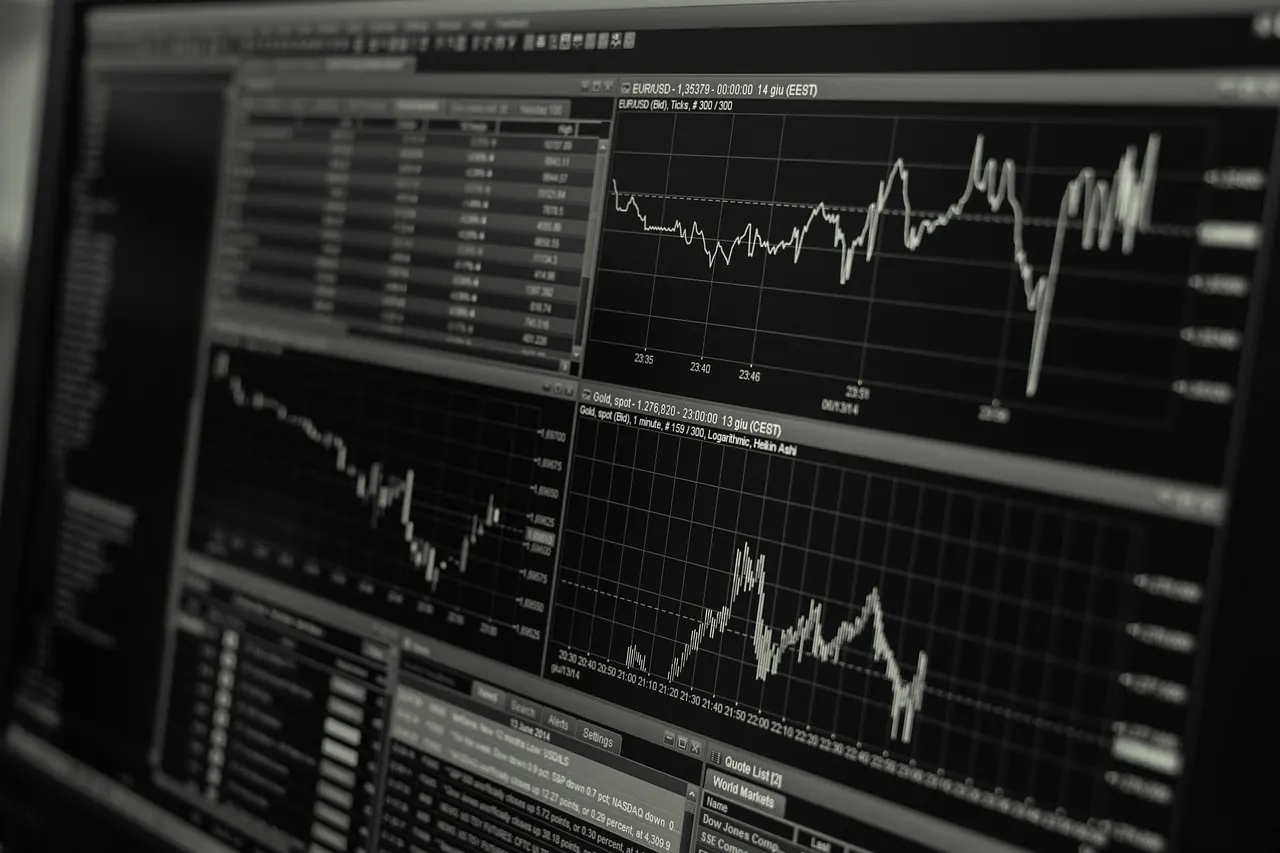
The numbers came from the CME FedWatch Tool, which derives its probabilities from the prices of fed funds futures — contracts in which institutional traders bet real money on where the central bank's benchmark rate will land. When those futures prices move, the implied odds move with them. CNBC reported the 34% reading on July 13; by the time Reuters published its story on the hawkish shift on July 17, the figure had jumped to 46.5%.
A 12-point swing in four days is large but not unprecedented. What makes this one stand out is the direction. For most of the first half of 2026, futures markets were pricing a sequence of cuts. The idea that the Fed's next move could be a hike — a quarter-point increase that would reverse the easing of the past year — was, until recently, a tail risk confined to the most cautious desks on Wall Street.
What moved the market was a combination of stubborn inflation data, a labor market that has refused to break, and fresh price pressure working through the system from this year's round of tariffs. The economics teams at Goldman Sachs and JPMorgan both noted in mid-July client notes that core services inflation — the component the Fed watches most closely — had re-accelerated, complicating the case for continued easing.
Why the Fed Is Suddenly Talking About Hiking
Fed officials don't telegraph rate moves lightly, which is why the Reuters report landed the way it did. Hammack, who took the helm of the Cleveland Fed in 2024 and has built a reputation as one of the central bank's more hawkish voices, was joined by what Reuters described as a “swelling chorus” of colleagues warning that the disinflation that defined 2023 and 2024 had stalled.
The arithmetic is unforgiving. The Fed's target is 2% inflation. When price growth sits above that level and refuses to fall, each month that passes without progress makes the case that current rates aren't restrictive enough. Hammack's argument, echoed in varying degrees by other policymakers, is that the Fed would rather risk over-tightening than let inflation re-anchor above target — a mistake the central bank spent two painful years correcting after 2021.
Markets also read the broader backdrop. Tariffs imposed earlier in 2026 have pushed up the price of imported goods, and several Fed speakers have acknowledged those costs are showing up in the data. Whether that burst of inflation proves temporary or persistent is the single question that will decide July 29 — and the fact that policymakers are even publicly entertaining a hike suggests they're not confident it's temporary.
What a Hike Means for Your Savings
For savers, a rate hike is the rare piece of bad news that pays. The top-yielding high-yield savings accounts were already offering roughly 4.3% to 5.0% annual percentage yield in mid-July, according to tracking by Bankrate and DepositAccounts.com, and money market funds — which hold short-term government debt — were yielding close to 4.4%. A Fed hike would push those numbers higher, or at least keep them elevated for far longer than the cut-driven consensus had assumed.
The strategic move is to lock in yields while they're still here. Certificates of deposit are the cleanest tool: a one-year CD from an online bank was paying around 4.5% to 4.7% in July, and a Fed that returns to hiking would likely keep short-term rates — and thus CD yields — firm. The risk isn't that rates fall tomorrow; it's that you leave cash sitting in a checking account earning 0.01% while the bank lends it out at 7%.
For larger cash balances, Treasury bills remain the benchmark. The 3-month T-bill was auctioning in July at a yield near 4.3%, backed by the full faith and credit of the U.S. government and exempt from state and local taxes. For investors in high-tax states, that exemption makes a T-bill yielding 4.3% competitive with a bank product yielding 5%.
What It Means for Your Mortgage and Borrowing
Borrowers face the mirror image. Mortgage rates don't move in lockstep with the Fed — they track the 10-year Treasury yield, which reflects where traders think rates are headed over the next decade — but a Fed that signals higher-for-longer pulls those long-term yields, and with them mortgage rates, in the same direction.

According to Freddie Mac's Primary Mortgage Market Survey, the 30-year fixed-rate mortgage averaged roughly 6.8% to 7.1% in July. If the Fed delivers a hike — or even just confirms that cuts are off the table for the rest of 2026 — that range could climb back toward 7.5%, adding hundreds of dollars a month to a typical payment. On a $400,000 loan, the difference between 6.8% and 7.5% is about $190 a month, or roughly $2,280 a year — money that doesn't build equity.
Variable-rate debt is exposed more directly. Home equity lines of credit and most credit cards are priced off the prime rate, which moves in lockstep with the Fed's benchmark. The average credit card APR was already above 21% in mid-2026, Federal Reserve data showed, and a hike would push it higher still. Anyone carrying a balance on a variable-rate product should treat the next two weeks as a deadline to refinance into a fixed rate — a personal loan or a 0% balance-transfer card — before the cost of floating debt rises again.
For homebuyers, the practical advice from the Mortgage Bankers Association and most independent planners is unchanged: don't try to time the Fed. If you can afford the payment and you plan to stay put, buy the house and take the rate; you can refinance later if cuts eventually return. But run the numbers at 7.5%, not 6.8%, so a July 29 surprise doesn't blow up your budget.
What It Means for Your Portfolio
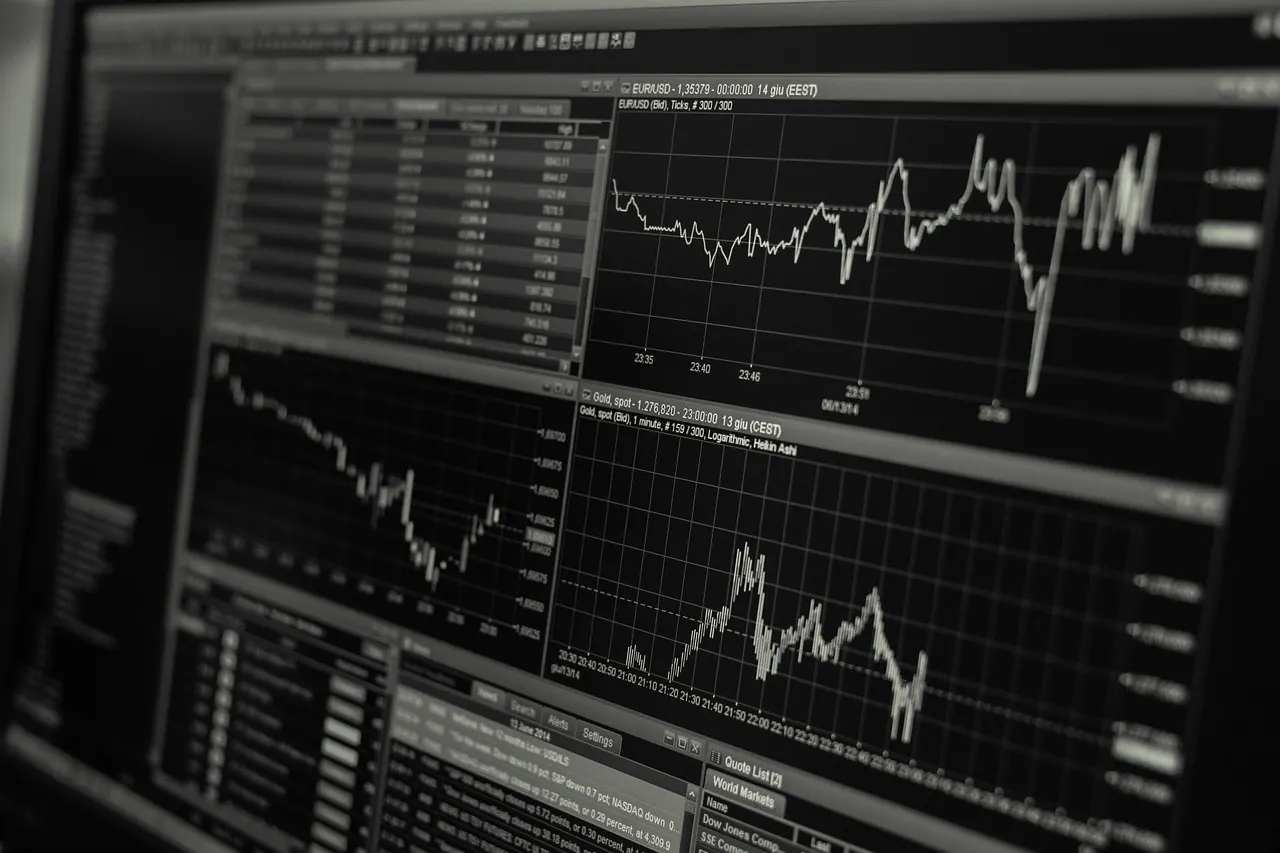
Stocks and rate expectations move in opposite directions, and the repricing has already shown up in share prices. When the expected path of rates shifts from cutting to hiking, the discount rate investors use to value future earnings rises — and the further out those earnings sit, the harder they fall. That logic hits growth and technology stocks first and hardest, because their valuations depend most heavily on profits expected years from now.
The defensive plays are the familiar ones. Cash-rich companies with strong current earnings get re-rated lower, but their underlying businesses are less sensitive to the discount rate. Financials are the most direct beneficiary of higher rates, at least in theory: banks earn a wider spread between what they pay depositors and what they charge borrowers. The complication is that an inverted yield curve — when short-term rates exceed long-term ones — has historically squeezed the very margins a hike is supposed to widen, so the trade is not as clean as it looks.
Bond portfolios carry their own risk. Bond prices fall when yields rise, and the longer a bond's duration, the harder it falls. Investors sitting in long-term bond funds should understand that a return to hiking would push those fund prices down, even as the income they eventually generate goes up. The fix is to shorten duration — tilt toward short-term bond funds and T-bills — and accept that the trade-off for lower price risk is a slightly lower yield today.
The broader portfolio point, emphasized by strategists at Vanguard and BlackRock in their mid-year outlooks, is that a sudden shift in the rate path is exactly the scenario that punishes investors who reached for risk on the assumption that cuts were guaranteed. Diversification across stocks, bonds, and cash isn't exciting, but it is the structure that survives a policy reversal.
What to Actually Do Before July 29
The Fed's decision will turn on data that hasn't been released yet, which means nobody — not the economists, not the traders, and not the Fed itself — can tell you with certainty whether the next move is up or down. That uncertainty is the point. The right response isn't to predict the outcome; it's to build a balance sheet that doesn't depend on a single one.
Five concrete moves make sense now, regardless of what happens at the meeting. First, move idle cash from a low-yield checking or savings account into a high-yield account, a money market fund, or a short-term Treasury — every month at 0.01% is a month of foregone interest. Second, lock a portion of that cash in a 9- to 12-month CD to guarantee today's yield against the possibility that the Fed's next surprise is a cut, not a hike. Third, refinance variable-rate debt — credit cards, variable-rate personal loans, floating home equity lines — into fixed rates while lenders are still competing for borrowers. Fourth, review the duration of your bond holdings and shorten if you're overexposed to long-term funds. Fifth, resist the urge to make a large, all-in bet on equities in either direction; the 46% odds are a signal that the smart money is genuinely split.
The Fed will do what the inflation data tells it to do on July 29. Your job is to make sure your savings, your debts, and your portfolio are positioned for either outcome — not just the one you're hoping for.
The article shows the pattern. The app trains the response.
Continue in Tikva to turn the insight into a repeated response.
Open TikvaSources and review notes
Tikva separates educational content from medical, legal, investment, and personalized financial advice. Sensitive pages should be reviewed by qualified professionals before high-scale publication.