Key takeaways
- The fresh start effect is real: in the 2014 Management Science study, gym attendance rose about 33% at the start of a new week and 47% at the start of a term across roughly 12,000 students.
- Diet-related Google searches jumped 82% above baseline after New Year's Day, the strongest temporal landmark in the nine years studied.
- Habit formation takes a median of 66 days (range 18-254), per UCL research on 96 people — not the mythic 21.
- Missing one day doesn't materially damage a habit; deciding the miss means you've quit is what kills it.
- The 3-step rule — anchor, shrink, pre-plan the miss — turns a September 1 fresh start into a habit that survives October.
The best time to start a new habit is the next real date on your calendar — this week, that is September 1. The fresh start effect can boost gym attendance by about a third at the start of a new week, but only a habit system makes it last: anchor, shrink, pre-plan the miss.
Dateline: August 29, 2026 — September 1 is Tuesday of this coming week.
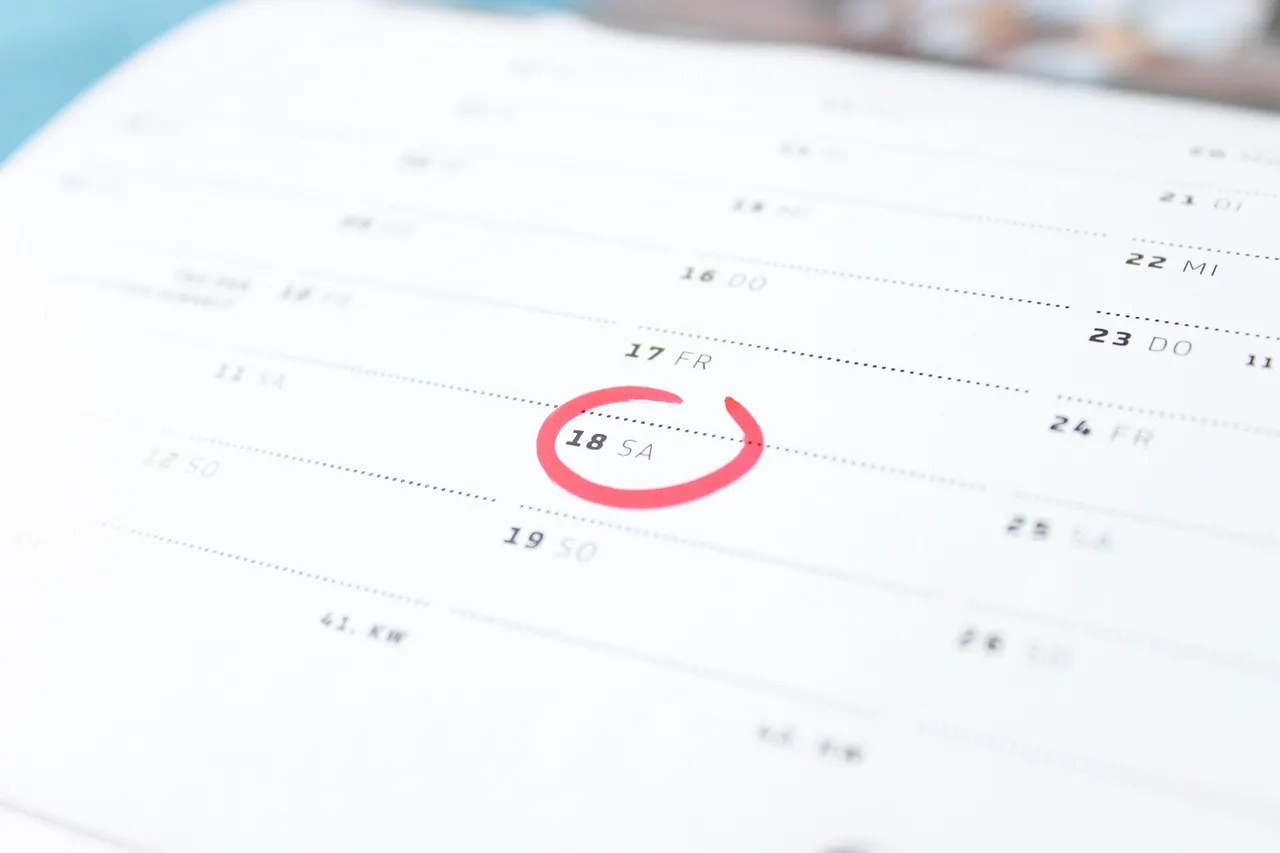
September is the second New Year's of the fitness calendar. Gyms fill up in January and empty by mid-February, and the same cycle repeats in September, when back-to-school energy hits adults who never set foot in a classroom. Most of those starts fail for one reason: motivation was the entire plan.
The science on starting habits is clear, and it's good news. You don't need a personality transplant or a January 1 miracle. You need a landmark date, a small behavior, and a system that runs without motivation. Here's the evidence, and the exact start system.
When Is the Best Time to Start a New Habit? Any Date That Feels Like a Beginning
The research answer: the best time to start a new habit is any "temporal landmark" — a date your brain reads as a clean break. In a 2014 study published in Management Science, Wharton researchers Hengchen Dai, Katherine Milkman, and Jason Riis tracked Google searches, gym attendance records from about 12,000 university students over 18 months, and goal commitments on the site stickK. All three spiked after landmarks: the start of a week, a month, a semester, or a year, plus birthdays and holidays.
The effect is real and it's large. Gym visits rose about 33% at the start of a new week, 47% at the start of a term, and 14% at the start of a month; diet-related Google searches jumped 82% above baseline after New Year's Day, and goal contracts on stickK ran 145% above average at the New Year. Wharton behavior expert Katherine Milkman calls the new year "the granddaddy of all fresh starts" — but the same mechanism fires on September 1, Labor Day, or any date that reads as a new chapter.
Why it works: a landmark opens a new "mental account." Your past misses get filed in the old period, which weakens the pull of "I already broke my streak, so why bother," and it pulls you up to a big-picture view. That's a measured motivation boost, not self-help talk.

Does the Fresh Start Effect Actually Work? Yes — Here's the Catch
Yes — and it shows up across three independent datasets in the same study: Google searches, gym check-ins, and commitment contracts. The catch is that the boost is temporary. Fresh-start motivation fades within a few weeks, which is exactly why most January starts die by mid-February. The landmark carries you through week one; it will not carry you to week twelve on its own.
What separates people who last from people who quit isn't willpower. It's that they use the motivation window to build a habit cued by context, not by mood. The landmark supplies the spark; the system supplies the fuel.
Why Can't I Stick to a Workout Routine? It's Not Laziness — It's All-or-Nothing Thinking
The most common reason workouts get abandoned isn't laziness. It's all-or-nothing thinking: the belief that a workout only counts if it's the full planned session. Research highlighted by the British Psychological Society has documented how this pattern undermines gym routines — one missed day gets read as failure, and failure reads as a reason to quit the entire project.
The fix is a floor, not a ceiling. On a low-energy day, the goal isn't the workout you planned; it's the 10-minute version that keeps the streak alive. The habit-formation research is explicit here: missing a single day doesn't materially damage the habit. What kills it is deciding the miss means the habit is dead.
All-or-nothing thinking also shows up as the "perfect plan" trap: five sessions a week, a strict meal plan, and a 5 a.m. alarm, all at once. That's a system built for quitting. Start with the smallest version that still counts as the habit, and let it grow.
How Long Does It Take to Form a New Habit? Plan for 66 Days, Not 21
The "21 days to form a habit" figure is a myth. The most-cited real study, by University College London researchers led by Phillippa Lally and published in the European Journal of Social Psychology, followed 96 people building real eating, drinking, and exercise habits for 12 weeks. Automaticity — the point where the behavior runs without effort or deliberation — took a median of 66 days, with a range of 18 to 254 days depending on the person and the behavior.
Two practical takeaways:
- Fastest gains come first. Automaticity builds fastest in the first weeks, so month one is when repetition matters most.
- Simpler behaviors automate faster. A 10-minute walk after dinner becomes a habit well before a full gym program does. Shrink the behavior, speed up the habit.
That's why week three is the danger zone: the fresh-start boost is spent, and automaticity hasn't arrived yet. You're in the gap between motivation and habit — and that gap is exactly what the 3-step rule is for.
How to Start a New Habit That Survives October: The 3-Step Rule
Anchor, shrink, pre-plan the miss. This is the whole system.
- Anchor it to something that already happens. Don't decide to "work out more." Decide: "After I finish my morning coffee, I do one set of push-ups." Chaining a new behavior to an existing routine — an implementation intention, in the research language — is one of the most consistently effective behavior-change tools in the literature.
- Shrink the behavior until it's embarrassing to skip. The version of the habit you commit to on your worst day is the version that survives. That might be five minutes, one exercise, or one meal decision. The size grows over time; the cue stays the same.
- Pre-plan the miss. Decide now what a missed day looks like, because it will happen. The rule: a miss is one day, never a decision to quit. If you skip Tuesday, Wednesday is a normal training day, not a guilt spiral. Research says one missed day doesn't damage the habit — quitting does.

What to Do This Week: Your September 1 Start Plan
Today is Saturday, August 29. Your start date is September 1 — a Tuesday and the first of the month, a genuine temporal landmark. This is the classic new-month, new-me restart, except this time it's anchored to real evidence. Here's the week:
- Choose one habit. One, not five. Pick the single workout or eating behavior that would change the most if it became automatic.
- Write your anchor and your floor as one sentence: "After [existing routine], I will do [smallest version]." If your floor is five minutes, your plan is five minutes.
- Pre-plan the first miss. Write the sentence you'll say on a skipped day, before you need it.
- Put September 1 on the calendar, and set a reminder for September 22 — week three, when the motivation fades. That reminder is your cue to check that the system, not the mood, is doing the work.
- If September 1 passes without a start, don't wait for October. Labor Day weekend closes on Monday, September 7, and October 1 follows soon after. Any of them will do — pick the next one and go.
If you have a medical condition, are pregnant, or take medication — including GLP-1s — check with your clinician before making major changes to diet or exercise.
The people who make it past October aren't the ones who never miss. They're the ones who built a cue, shrank the task, and treated a miss as a single day instead of a verdict. Start on September 1, and let the system run after the motivation is gone.
The article shows the pattern. The app trains the response.
Continue in Tikva to turn the insight into a repeated response.
Open TikvaSources and educational notice
This article is educational. It does not provide a medical diagnosis or replace guidance from a qualified health, legal, tax, investment, or financial professional. Decisions about your health or finances should consider your individual circumstances.
- Dai, Milkman & Riis (2014), Management Science — the fresh start effect: gym attendance, search, and goal-commitment spikes after temporal landmarks
- Lally et al. (2010), European Journal of Social Psychology — 66-day median for habit formation, 18-254 day range, and the single-missed-day finding
- British Psychological Society Research Digest — how all-or-nothing thinking undermines gym routines
- CHIBE, University of Pennsylvania — Wharton behavior expert on fresh starts and habit timing
- Harvard Business School Alumni research brief — overview of the fresh start effect
FAQ
When is the best time to start a new habit?
Any real temporal landmark — the first of a month, a Monday, a birthday, or a holiday. September 1 and Labor Day qualify. Research from Management Science shows these dates can lift gym attendance by roughly a third, but only a habit system makes the start last.
Does the fresh start effect actually work?
Yes. In the 2014 Management Science study, gym visits rose about 33% at the start of a week and 47% at a term start, and diet searches jumped 82% after New Year's. The catch: the boost fades within weeks, so use it to build a system, not just enthusiasm.
How long does it take to form a new habit?
Not 21 days. UCL research on 96 people found a median of 66 days to automaticity, with a range of 18 to 254 days. Progress is fastest in the first weeks, and simpler behaviors automate faster — so start small and let the habit compound.
Why can't I stick to a workout routine?
Usually all-or-nothing thinking, not laziness. One missed day gets read as total failure, so the whole plan collapses. Research shows a single missed day doesn't damage the habit. Anchor it to a cue, shrink the floor, and pre-plan the miss.
Why do I keep quitting my workouts?
Because motivation is your only fuel, and the fresh-start spike is spent by week three — before automaticity (median 66 days) arrives. Replace motivation with a system: anchor, shrink, pre-plan the miss, and treat a skipped day as one day, not a verdict.