Key takeaways
- DASH for weight loss runs on three numbers: a 2,300 mg daily sodium ceiling, a 4,700 mg potassium target, and the NHLBI serving template.
- The official NHLBI plan at 2,000 calories calls for 4–5 servings of vegetables, 4–5 of fruit, 6–8 grains, 2–3 low-fat dairy, and 6 oz or less of lean protein daily.
- The 4-5-5 plate rule is our practical adaptation of those targets — a simplification, not canonical DASH.
- In the ENCORE trial, DASH plus weight management cut systolic pressure 16.1 mmHg in four months; DEW-IT produced 4.9 kg net weight loss in nine weeks.
- A Cochrane review puts DASH's blood-pressure effect at about 5 mmHg systolic and 2.6 mmHg diastolic.
Yes — the DASH diet for weight loss works, and not because it is another restrictive plan. Built by the U.S. National Heart, Lung, and Blood Institute (NHLBI) to lower blood pressure, DASH is structured around three numbers: a 2,300 mg sodium ceiling, a 4,700 mg potassium target, and serving goals that naturally cut calories. Trials show meaningful fat loss and blood-pressure drops in weeks, not years.
DASH has a marketing problem. It is the "blood pressure diet," so anyone with a weight goal scrolls past it. That is a mistake. U.S. News & World Report has repeatedly ranked DASH the best overall diet, and on Prevention's expert-rated best-diets list it sits at number two, behind only the Mediterranean diet. The reason is structural: DASH never asks you to count calories or cut a food group. It hands you a serving template that is high in volume, fiber, and protein, and low in energy density — the exact combination that makes a calorie deficit happen on its own.
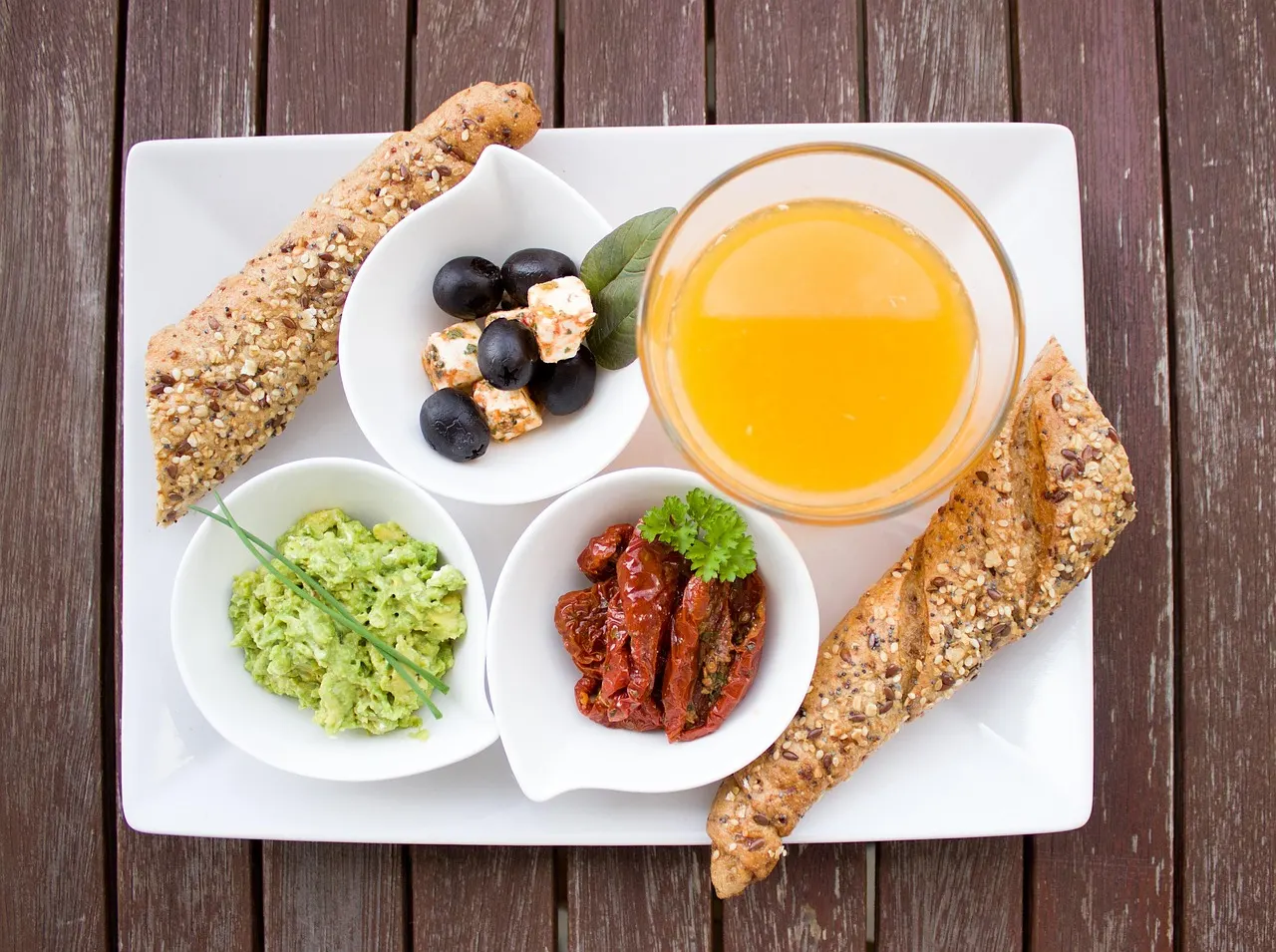
The DASH Diet for Weight Loss: What the Trials Actually Show
The honest caveat first: the original DASH trials were "weight-stable." Researchers fed people just enough to hold weight constant, isolating the blood-pressure effect. DASH alone will not melt fat if your portions stay the same. But the moment a calorie deficit enters the picture, DASH produces some of the best-documented results in nutrition research.
- ENCORE (2010): 144 overweight adults with elevated blood pressure. DASH plus a weight-management program cut clinic-measured systolic pressure by 16.1 mmHg and diastolic by 9.9 mmHg in four months — nearly five times the 3.4 mmHg drop in controls.
- DEW-IT (2002): 44 overweight adults already on blood-pressure medication lost 4.9 kg more than controls in nine weeks on a calorie-reduced DASH diet plus exercise, while 24-hour systolic pressure fell 9.5 mmHg.
- Metabolic-syndrome trial (2005): 116 adults on a calorie-reduced DASH plan for six months lost roughly 15 kg more than controls, with systolic pressure down 11–12 mmHg.
- Cochrane review: across randomized trials, DASH lowers systolic pressure by about 5 mmHg and diastolic by 2.6 mmHg — comparable to a first-line medication without the side effects.
At realistic rates — about 0.5–1% of body weight per week, or roughly 1–2 lb — that is exactly the pace associated with long-term success. DASH works for fat loss because it was built to lower blood pressure: it packs the diet with water- and fiber-rich food, pushes protein toward 18% of calories, and quietly displaces the energy-dense processed food driving most overeating.
What Foods Can You Eat on the DASH Diet? (And What to Skip)
Nothing is banned. That is the point. DASH is a serving template, and the official targets come from the NHLBI for a 2,000-calorie day:
- Grains (mostly whole): 6–8 servings daily
- Vegetables: 4–5 servings daily
- Fruit: 4–5 servings daily
- Fat-free or low-fat dairy: 2–3 servings daily
- Lean meat, poultry, and fish: 6 ounces or less daily
- Fats and oils: 2–3 servings daily
- Nuts, seeds, and beans: 4–5 servings weekly
- Sweets: 5 or fewer weekly
- Sodium: 2,300 mg daily (1,500 mg lowers blood pressure further)
To make those servings work on a plate, we use the 4-5-5 rule. It is our practical adaptation of the official DASH targets — a simplification, not a canonical DASH protocol. It runs: 4–5 servings of vegetables, 4–5 servings of fruit, and about 5 ounces of lean protein per day, with whole grains filling about a quarter of each plate and low-fat dairy at 2–3 servings. Hit those numbers and the official targets mostly take care of themselves.
The foods you are choosing: leafy greens, berries, citrus, bananas, sweet potatoes, oats, brown rice, lentils, chickpeas, nonfat yogurt, skim milk, chicken, fish, and unsalted nuts. The foods you are limiting — the answer to "what should you not eat on the DASH diet?" — are the sodium and saturated-fat engines: fatty meats, full-fat dairy, tropical oils like coconut and palm, sugar-sweetened drinks, and sweets beyond five servings a week. Processed and restaurant food delivers more than 70% of the sodium in the average American diet, according to the CDC, so that is where most of the work happens.
Eggs fit, with one caveat: egg whites are unlimited, and traditional DASH guidance capped yolks at about four per week because the plan holds dietary cholesterol near 150 mg a day. Modern heart guidelines are less strict about dietary cholesterol, but the classic limit is still a sensible DASH-compatible target.
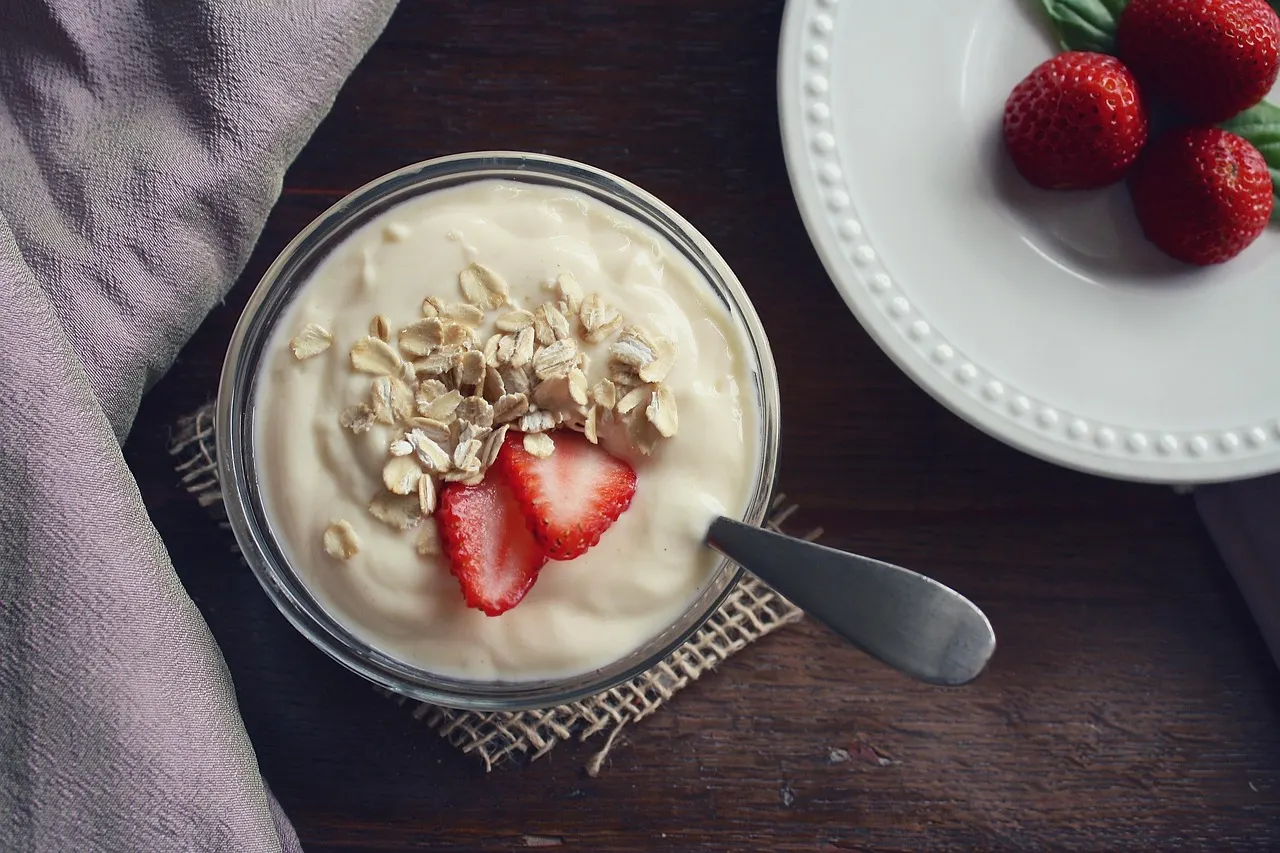
How Much Sodium Can You Have on the DASH Diet — and Why the Potassium Rule Does the Heavy Lifting
Sodium on DASH: 2,300 mg a day is the ceiling, and 1,500 mg is the stronger option. The DASH-Sodium trial, published in the New England Journal of Medicine in 2001, showed that each step down — from about 3,300 to 2,300 to 1,500 mg — lowered blood pressure further. Stack DASH with the 1,500 mg level and systolic pressure falls about 11.5 mmHg in people with hypertension. The average American eats roughly 3,400 mg a day, so even the standard target is a real change.
The heavier lift is potassium. DASH targets 4,700 mg a day — well above the 2,600 mg the average person actually eats. Potassium is the nutrient that makes sodium reduction work: it helps the kidneys excrete sodium and relaxes blood-vessel walls, and the NHLBI says hitting 4,700 mg "enhances the effects of reducing sodium" on blood pressure. On a label, that means seeking foods at 20% Daily Value or more — about 940 mg per serving. A small baked potato has 738 mg, a sweet potato 542 mg, a cup of nonfat yogurt 530–570 mg, a medium banana 422 mg, and half a cup of lima beans 478 mg.
Where DASH fails for most people is not the sodium — it is the potassium. They swap salt for herbs but never add the produce that carries 4,700 mg. Hit both numbers and the plan works as designed.
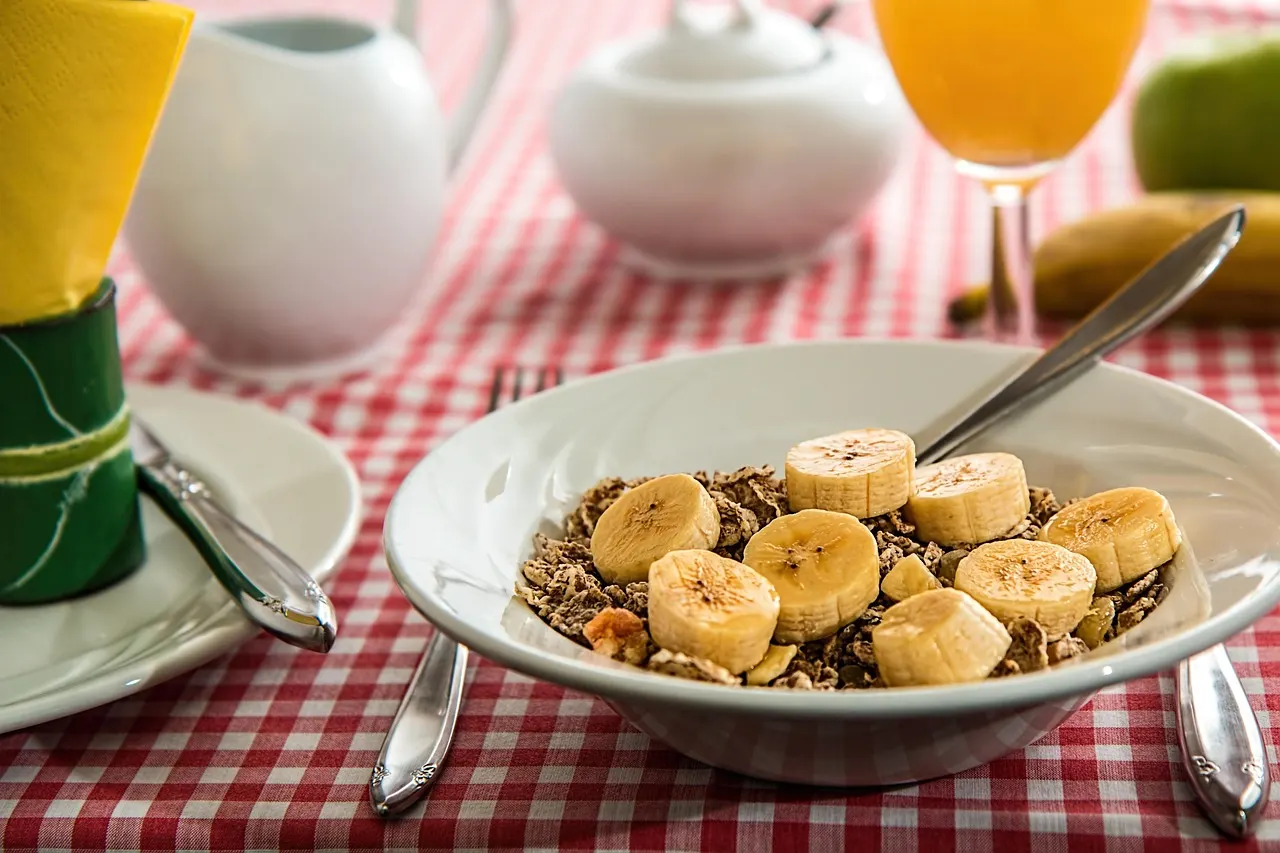
What a Real Day of DASH Eating Looks Like (About 2,000 Calories, ~2,300 mg Sodium, ~4,700 mg Potassium)
- Breakfast: 1 cup cooked oats with cinnamon, 1 medium banana (422 mg potassium), and 1 cup skim milk (382 mg).
- Snack: 1 small baked potato (738 mg potassium) topped with plain nonfat Greek yogurt and chives.
- Lunch: 4 oz grilled chicken breast over 2 cups mixed greens with ½ cup chickpeas, tomatoes, and 1 tbsp olive-oil-and-lemon dressing, plus 1 slice 100% whole-grain bread.
- Snack: 1 cup plain nonfat yogurt (530–570 mg potassium) with ½ cup berries.
- Dinner: 5 oz baked cod with herbs, 1 medium sweet potato (542 mg potassium), and 1½ cups steamed broccoli with 1 tbsp olive oil.
Season with acid, heat, and herbs — lemon, vinegar, chili, garlic — not salt. Buy no-salt-added canned beans and tomatoes, rinse canned goods, and read labels until the habit sticks. If one meal runs over the sodium budget, the next runs under; the daily ceiling is what counts.
DASH vs. Mediterranean: What's the Difference — and Where People Fail
Both are plant-forward, both are perennial top-ranked diets, and both improve blood pressure and weight trajectory. The differences are operational. DASH is prescriptive: a sodium ceiling, a potassium target, structured servings, and low-fat dairy. Mediterranean is a pattern, not a protocol: olive oil and fish are core, moderate wine is allowed, dairy fat is not policed, and there is no explicit sodium number. If high blood pressure is the priority, DASH gives you numbers to hit. If you want flexibility, Mediterranean wins on ease.
People fail at DASH in four predictable ways:
- They cut sodium but not potassium — the produce never shows up, so the blood-pressure effect is half-built.
- They let processed and restaurant food quietly refill the sodium budget; a single restaurant meal can carry 1,500–2,500 mg.
- They treat DASH like a 30-day reset. It is a template for life, and it produces weight loss only when the calorie deficit is real.
- They add DASH servings on top of their old diet instead of swapping them in. The template replaces food; it does not supplement it.
What to Do This Week
Day 1 — Measure the gap. Log everything you eat for one day in a tracking app. Most people land near 3,400 mg sodium and 2,600 mg potassium. Now you know the distance.
Day 2 — Shop the list. Oats, frozen berries, bananas, sweet potatoes, plain nonfat yogurt, skim milk, no-salt canned beans, lentils, chicken breast, salmon, cod, olive oil, unsalted almonds.
Day 3 — Plate by the 4-5-5 rule at every meal: half vegetables and fruit, a quarter whole grains, a quarter lean protein.
Day 4 — Swap one processed staple for a potassium-rich whole food: chips out, baked potato or banana in.
Day 5–7 — Repeat. Expect weight to move at 1–2 lb a week if you are in a deficit, and blood pressure to respond within two to four weeks — the original DASH trial saw systolic drops within 14 days.
If you have high blood pressure, kidney disease, or a medical condition, or you are pregnant or on medication including GLP-1s, check with your clinician before big changes — DASH can lower blood pressure enough that medication may need adjusting.
The article shows the pattern. The app trains the response.
Continue in Tikva to turn the insight into a repeated response.
Open TikvaSources and educational notice
This article is educational. It does not provide a medical diagnosis or replace guidance from a qualified health, legal, tax, investment, or financial professional. Decisions about your health or finances should consider your individual circumstances.
- NHLBI — DASH Eating Plan — official daily and weekly serving targets and the 2,300 mg sodium ceiling
- NHLBI — Living with the DASH Eating Plan — the 4,700 mg potassium target and potassium-rich food values
- Cochrane — DASH dietary pattern for hypertension in adults — systematic review of blood-pressure effects
- Miller et al., DEW-IT trial, Hypertension 2002 (PubMed) — weight loss and blood pressure on calorie-reduced DASH plus exercise
- Blumenthal et al., ENCORE study, Archives of Internal Medicine 2010 — DASH with weight management, 16.1/9.9 mmHg blood-pressure reductions
- Sacks et al., DASH-Sodium trial, New England Journal of Medicine 2001 — sodium levels and blood pressure
FAQ
Is the DASH diet good for weight loss?
Yes — when it runs a modest calorie deficit. DASH alone keeps weight stable in trials, but a calorie-reduced DASH produced 4.9 kg more weight loss than controls in nine weeks (DEW-IT) and roughly 15 kg more over six months in a metabolic-syndrome trial. Expect about 1–2 lb per week.
How much sodium can you have on the DASH diet?
The standard target is 2,300 mg per day — about one teaspoon of salt — with 1,500 mg as the stronger option that lowers blood pressure further. The DASH-Sodium trial showed each sodium step down adds blood-pressure benefit; most Americans eat about 3,400 mg daily, so even the standard ceiling is a real reduction.
What foods can you eat on the DASH diet?
Vegetables (4–5 servings), fruit (4–5), whole grains (6–8), fat-free or low-fat dairy (2–3), lean meat, poultry, and fish (6 oz or less), plus weekly nuts, seeds, and beans. Nothing is banned; the plan just sets serving targets that squeeze out fatty meats, full-fat dairy, sweets, and sodium-heavy processed food.
Can you eat eggs on the DASH diet?
Yes. Egg whites are unlimited, and the classic DASH guidance allowed about four yolks per week because the plan caps dietary cholesterol near 150 mg a day. Modern heart guidance is less strict about dietary cholesterol, so the yolks are a judgment call — the old limit remains a sensible DASH target.
How is the DASH diet different from the Mediterranean diet?
Both are plant-forward and highly ranked. DASH is prescriptive: an explicit 2,300 mg sodium ceiling, a 4,700 mg potassium target, low-fat dairy, and structured servings. Mediterranean is a looser pattern with olive oil and fish at the core, moderate wine allowed, and no sodium number — more flexible, but with less to aim at for blood pressure.