Key takeaways
- The Dow Jones Industrial Average surged 693.38 points (1.3%) to close at a record 53,178.41 on August 3, 2026, driven by Middle East diplomacy and falling oil prices.
- Historical data from Hartford Funds shows the S&P 500 has averaged a 14.6% one-year gain following new all-time highs, outperforming non-peak periods.
- Vanguard research indicates that lump-sum investing beats dollar-cost averaging roughly 68% of the time, favoring immediate deployment of capital.
- Rebalancing a portfolio back to its target asset allocation is the most effective way to mechanically lock in gains from a record-setting rally.
On Monday, August 3, 2026, the Dow Jones Industrial Average surged 693.38 points, or 1.3%, to close at 53,178.41. It was the index's 22nd record close of the year and its first new high since July 6. The rally was broad: the S&P 500 and the tech-heavy Nasdaq Composite jumped 1.4% and 2.1%, respectively. The catalyst was geopolitical, not fundamental. A return to Middle East diplomacy—specifically, signs of a durable ceasefire framework between the United States and Iran—sent crude oil prices tumbling and sparked a relief rally in equities.
For anyone holding cash on the sidelines, a 700-point surge into uncharted territory triggers a specific kind of anxiety. You want exposure to the upside, but buying at the absolute top of the market feels like financial self-sabotage. The instinct to wait for a "dip" is overwhelming. But the data on market peaks tells a very different story about how wealth is actually built.

Why the Dow Broke Through
Markets do not climb in a straight line, and the Dow's path to 53,000 has been anything but smooth. Earlier this summer, the index stumbled. In June, renewed fighting in the Middle East and a hotter-than-expected May inflation report—showing prices rising at a 4.2% annual clip—briefly rattled investors and drove up oil futures. The Dow slid from its July 6 peak of 53,055 as analysts warned that sustained $100-plus Brent crude could reignite consumer price spikes and stall corporate earnings.
Monday's 1.3% surge erased that summer slump. The catalyst was news that U.S.-brokered diplomacy in the Middle East was holding, effectively removing the immediate risk premium from global energy markets. When the geopolitical temperature drops, equity risk premiums compress. Investors no longer demand a deep discount to hold stocks, and the market reprices violently to the upside.
The rally was also bolstered by corporate earnings. Palantir Technologies, a favorite among retail investors, reported second-quarter earnings after the bell on Monday, beating Wall Street's consensus estimate with earnings per share of $0.41 against an expected $0.33. Strong corporate profitability provides the fundamental floor that prevents a geopolitical relief rally from immediately fading.
The All-Time High Trap
When the market is breaking records, retail investors routinely make two contradictory mistakes. Some panic and sell, fearing a crash is imminent. Others succumb to FOMO (fear of missing out) and dump their cash into whatever high-flying stock is dominating the news cycle that day. Both strategies destroy long-term wealth.
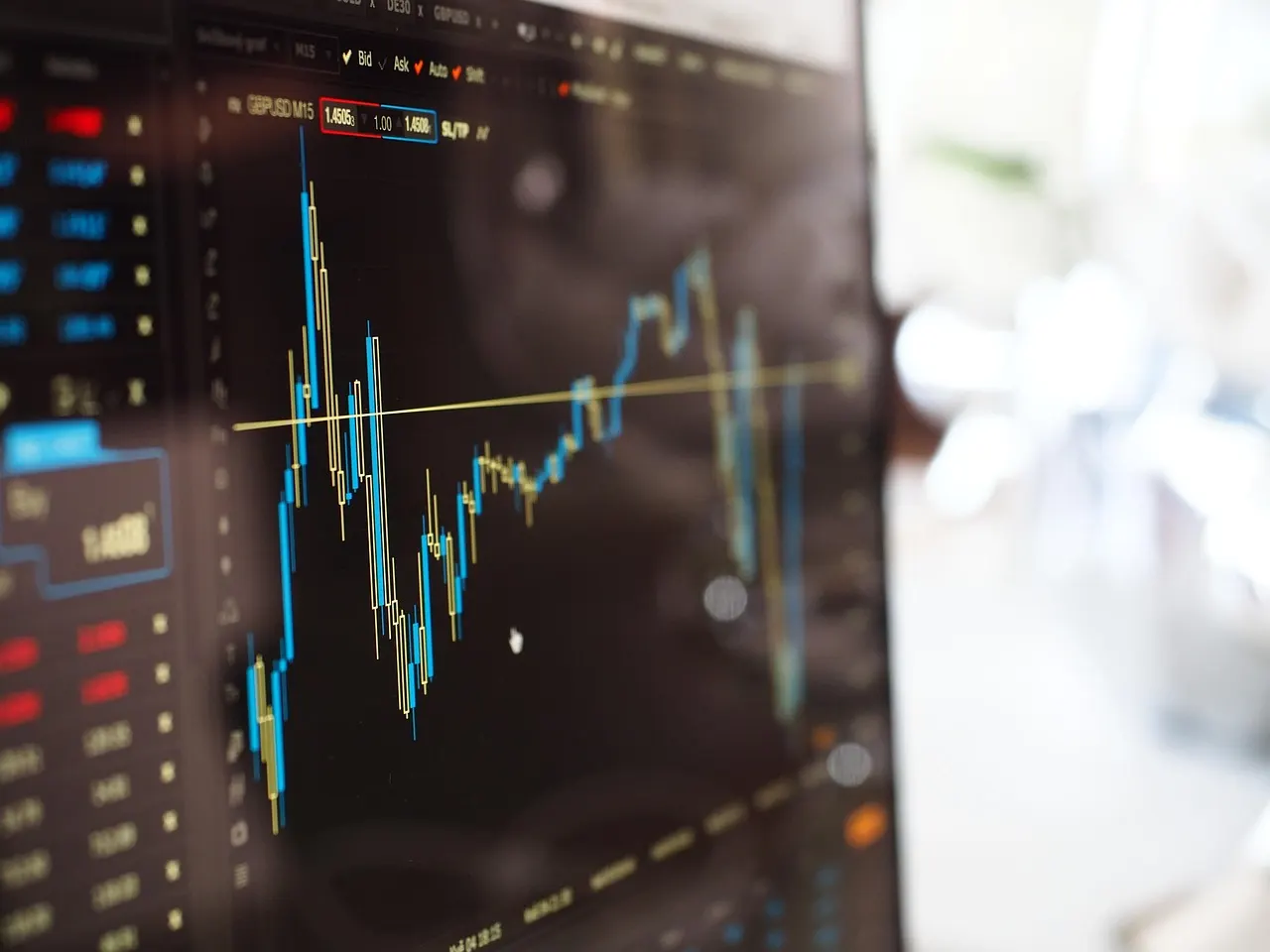
The fear of buying at the top is largely unfounded when you look at the historical data. According to research from Hartford Funds, which analyzed market data going back decades, the S&P 500 has delivered an average one-year gain of 14.6% following a new all-time high. The report also found that on average, 12-month returns following an all-time high have been better—10.4% compared with 8.8% when the market wasn't at a record. The logic is simple: a market hitting all-time highs is usually doing so because the underlying economy and corporate earnings are expanding.
Lump Sum vs. Dollar-Cost Averaging: What the Data Says
If buying at all-time highs isn't actually a losing strategy, the next question is how to deploy your capital. Should you invest your entire cash pile right now, or spread it out to protect yourself from a potential pullback next week?
This is the classic lump-sum investing (LSI) versus dollar-cost averaging (DCA) debate. Dollar-cost averaging involves investing a fixed dollar amount at regular intervals, regardless of the share price, which theoretically mitigates the risk of investing a large sum right at a market peak.
However, the numbers heavily favor getting your money into the market as soon as possible. Vanguard's foundational research on this topic found that a lump-sum approach beat dollar-cost averaging approximately 68% of the time across various global markets. The reasoning is mathematical: markets spend more time going up than going down. By holding cash on the sidelines to average in, you are statistically more likely to miss out on upside gains than you are to perfectly dodge a major correction.
That said, Vanguard's research also acknowledges that DCA has genuine psychological value. If a sudden 5% drop in the Dow after you invest a lump sum will cause you to panic and sell at the bottom, DCA is the superior strategy. The best mathematical strategy is useless if you cannot emotionally withstand the volatility required to execute it.
Three Steps to Invest Without Chasing
Here is how to put money to work right now without falling victim to euphoria or panic.
1. Rebalance to your target allocation. If your goal is a 70/30 split between stocks and bonds, the recent Dow surge has likely thrown your portfolio out of whack. Rebalancing forces you to do the hardest thing in investing: sell some of your winners (the stocks that just surged) and buy more of your losers or lagging assets (bonds or international equities). This is a mechanical, emotionless way to buy low and sell high.
2. Fund your core, then speculate. Keep the foundation of your portfolio in broad-market index funds, like an S&P 500 or total stock market ETF. This guarantees you capture the overall economic growth driving the Dow to records. Once your core is funded, take no more than 5% to 10% of your portfolio to buy individual stocks you believe in. This satisfies the urge to chase high-flying tickers without risking your financial future.
3. Automate your buys and look away. The single best defense against making emotional mistakes at all-time highs is automation. Set up automatic contributions to your brokerage or retirement accounts on the day you get paid. When the market is hitting records, the media will scream that a crash is coming. When the market drops 10%, the media will scream that a recession is here. Automating your investments removes your emotional reaction from the equation entirely.
The Bottom Line
A 700-point rally into record territory is not a sell signal, nor is it a reason to throw your cash at whatever stock is up 50% this month. It is simply a checkpoint. The historical data is overwhelmingly clear: time in the market beats timing the market, and that remains true even when the market is literally at its all-time high. Build a diversified core, automate your contributions, and let the compounding do the heavy lifting.
The article shows the pattern. The app trains the response.
Continue in Tikva to turn the insight into a repeated response.
Open TikvaSources and educational notice
This article is educational. It does not provide a medical diagnosis or replace guidance from a qualified health, legal, tax, investment, or financial professional. Decisions about your health or finances should consider your individual circumstances.
- The Wall Street Journal — Reporting on the Dow's 700-point rally to a record close of 53,178 on August 3, 2026.
- Associated Press — Exact closing numbers for the Dow, S&P 500, and Nasdaq on August 3, 2026.
- Hartford Funds — Data showing the S&P 500's average 14.6% one-year return following a new all-time high.
- Vanguard — Foundational research comparing the success rates of lump-sum investing versus dollar-cost averaging.
- Yahoo Finance — Historical data for the Dow Jones Industrial Average (^DJI).
FAQ
Is it a bad idea to invest when the market is at an all-time high?
No. Historical data suggests that markets hitting all-time highs often continue to climb. According to Hartford Funds, the S&P 500 has historically delivered an average one-year gain of 14.6% following a new all-time high, which is actually better than average returns during other market periods.
Should I wait for a market dip before investing my cash?
Waiting for a dip rarely works because markets spend more time rising than falling. Vanguard's research shows that investing a lump sum immediately outperforms spreading the money out via dollar-cost averaging about 68% of the time. The risk of waiting is missing out on continued gains.
What should I do if I am afraid of buying at the absolute top?
If investing a lump sum makes you nervous, use dollar-cost averaging (DCA). Invest a fixed amount of money at regular intervals—like every payday. This smooths out the average price you pay per share and removes the emotional pressure of trying to perfectly time the market.
How do I stop myself from chasing the hottest stocks during a rally?
Establish a core-and-satellite portfolio. Put 90% to 95% of your money into broad-market index funds to capture steady, long-term growth. Use the remaining 5% to 10% to invest in individual, high-growth stocks. This allows you to participate in trending stocks without risking your financial foundation.