Key takeaways
- Scale of recall: 1,589,577 dozen eggs (approximately 19 million individual eggs) produced by Midwest Poultry Services in Texas between June 6 and July 3, 2026.
- Current health impact: 98 reported illnesses and 26 hospitalizations across 17 states, with 91% of interviewed patients reporting they ate shell eggs prior to infection.
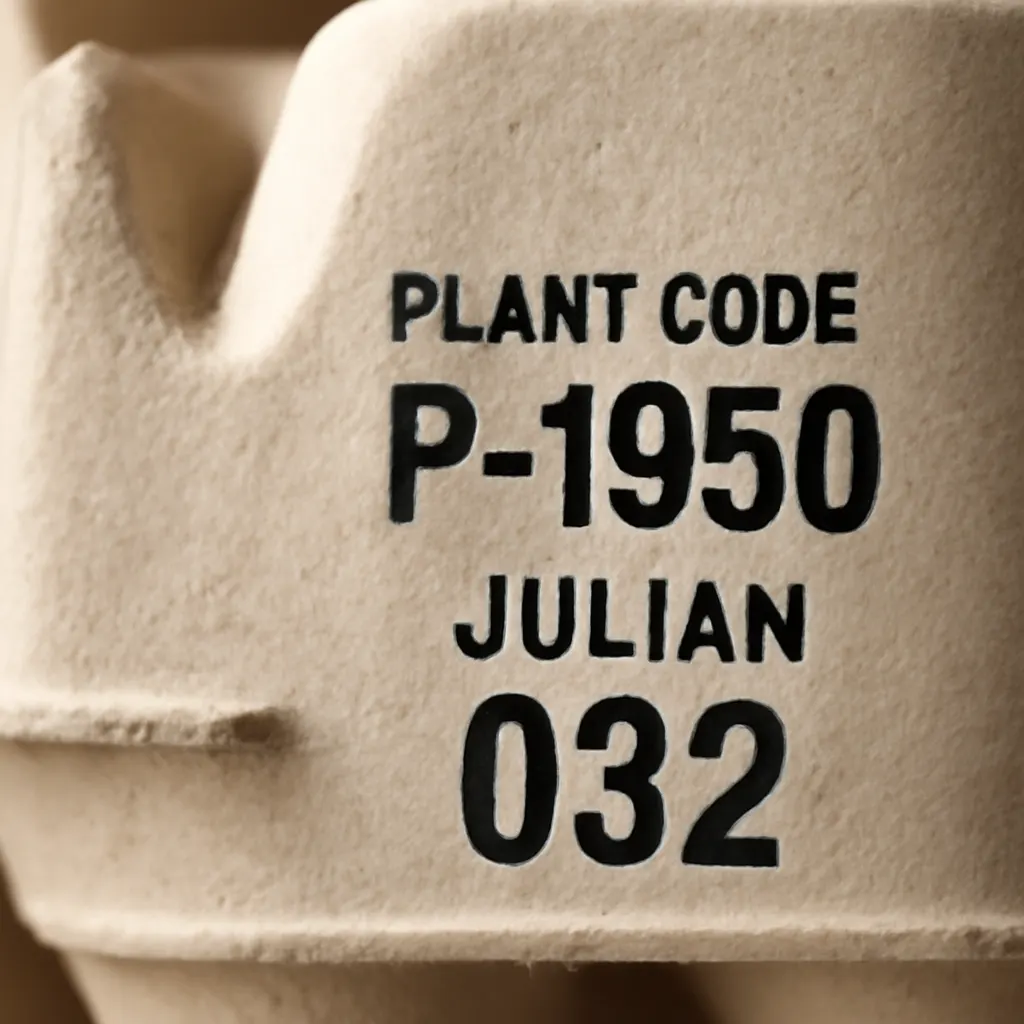
- How to identify: Look for plant codes P-1950 or 0840962 on the side of the carton, combined with a Julian Date between 157 and 184.
- Brand names: The eggs were sold under multiple labels including Kroger, Simple Truth, Brookshire's, Country Morning, and Cal-Maine Sunups.
- Immediate action: Discard or return the affected eggs immediately; do not consume them even if cooked, due to the risk of cross-contaminating your kitchen.
On July 22, 2026, Midwest Poultry Services, L.P. announced a voluntary recall of 1,589,577 dozen white and brown cage-free shell eggs—nearly 19 million individual eggs—due to potential contamination with Salmonella Enteritidis. The CDC and FDA are actively investigating a multistate outbreak that has sickened at least 98 people across 17 states, resulting in 26 hospitalizations and zero deaths.
The scale of the recall demands immediate attention. Of the 44 ill persons interviewed by health officials, 40 (91%) reported eating shell eggs in the week before falling ill. The eggs were produced at two Texas facilities between June 6 and July 3, 2026, and distributed under multiple brand names across a wide geographic footprint, with best-by dates extending into August 2026. If you purchase eggs regularly, assume you are potentially affected until you verify your carton.

The Numbers: The Scope of the Outbreak
As of the latest CDC update, the outbreak spans 17 states: Arizona, California, Colorado, Georgia, Illinois, Louisiana, Michigan, Mississippi, Missouri, North Carolina, Nevada, New Mexico, New York, Oklahoma, South Carolina, Texas, and West Virginia. The CDC notes that the true number of sick people is likely much higher than the reported 98, as many individuals recover without medical care and are not tested for Salmonella.
Illness onset dates range from late May to mid-July 2026. The 26 hospitalizations underscore the severity of Salmonella Enteritidis, which can cause serious and sometimes fatal infections, particularly in young children, elderly individuals, and those with compromised immune systems.
The affected eggs were produced at Midwest Poultry Services facilities in Texas. The company has halted distribution from the implicated farms while the FDA and CDC conduct trace-forward and environmental assessments to identify the root cause of the contamination.
Identifying the Recalled Eggs: Brand Names and Codes
Do not rely on the brand name alone. The eggs were sold under a wide variety of labels, and the critical identifier is the plant code and Julian date printed on the side of the carton.
Brand names included in the recall:
- Kroger
- Simple Truth
- Brookshire's
- Country Morning
- Cal-Maine Sunups
How to read your carton: Look at the short string of numbers printed on the side of the egg carton, near the sell-by or best-by date. The recalled eggs will have:
- Plant Codes: P-1950 or 0840962
- Julian Dates: Between 157 and 184 (these correspond to June 6 through July 3, 2026)
- Best-By Dates: Between July 20 and August 17, 2026
If your carton does not bear the plant code P-1950 or 0840962, your eggs are not part of this recall. However, if the codes match, take action immediately, regardless of whether the eggs smell or look normal.
Where the Eggs Were Sold
The eggs were distributed to retailers and food service operators in multiple states, with confirmed distribution to grocery chains in Texas, Oklahoma, Arkansas, Louisiana, New Mexico, and Mississippi, as well as larger national distribution networks that reached states reporting illnesses. Retailers known to have sold the affected brands include Kroger, Brookshire's, and various other regional grocery stores that stock Simple Truth, Country Morning, and Sunups eggs.
Because distribution routes for major brands can cross state lines and end up in secondary retail or food service settings, consumers nationwide should verify their cartons. The FDA continues to update its outbreak investigation page with additional retailers as they are confirmed.
What to Do If You Have Recalled Eggs
Do not eat, sell, or serve the recalled eggs. The CDC recommends the following steps:
- Throw them away or return them to the place of purchase for a full refund.
- Clean any surfaces, containers, or utensils that may have touched the recalled eggs. Use hot, soapy water or a dishwasher. Salmonella bacteria can survive on surfaces and spread to other foods, leading to cross-contamination. Wash your hands thoroughly with soap and water for at least 20 seconds after handling the eggs or any contaminated items.
- Do not cook with them. Even thorough cooking, which does kill Salmonella, presents an unacceptable risk of cross-contamination in the kitchen. The risk of spreading bacteria to countertops, utensils, or other ingredients during preparation is too high to justify keeping the product.
Midwest Poultry Services has set up a consumer hotline for questions regarding the recall and refund process. Contact information is available on the official FDA recall notice.
Recognizing Salmonella Symptoms
Salmonella Enteritidis infection (salmonellosis) typically presents within 6 hours to 6 days after exposure. Symptoms generally last 4 to 7 days and include:
- Diarrhea (which may be bloody)
- Fever
- Stomach cramps
- Nausea and vomiting
- Headache
Most people recover without antibiotics. However, the illness can be severe. The CDC advises contacting a healthcare provider immediately if you experience any of the following:
- Diarrhea and a fever higher than 102°F (38.9°C)
- Diarrhea for more than 3 days that does not improve
- Bloody diarrhea
- Excessive vomiting, preventing you from keeping liquids down
- Signs of dehydration, such as dry mouth and throat, dizziness when standing up, or infrequent urination

Food Safety and Egg Handling: The Broader Context
This outbreak highlights the persistent risks associated with Salmonella Enteritidis in shell eggs. The bacteria can be present both on the outside of the shell and inside the egg itself, often transmitted from the ovaries of infected hens. The FDA's Egg Safety Rule, implemented in 2010, requires egg producers to implement preventive measures, including testing for Salmonella, but outbreaks still occur.
Regardless of recalls, consumers should treat all raw eggs as potential sources of bacteria. This means keeping eggs refrigerated at 40°F (4°C) or colder, cooking them until both the yolk and white are firm, and cooking any dishes containing eggs to an internal temperature of 160°F (71°C). Pasteurized eggs should be used in recipes that call for raw or undercooked eggs.
This event mirrors the August 2025 egg recall involving August Egg Company, where roughly 1.7 million eggs were recalled due to a similar Salmonella risk. That outbreak, which primarily affected western states, resulted in the identification of 65 cases across multiple states. The recurrence of these large-scale events emphasizes the need for heightened regulatory oversight and consumer vigilance in the food supply chain.
As the investigation into Midwest Poultry Services continues, the CDC and FDA may update the scope of the recall, potentially adding new brands or distribution areas. Check the CDC's outbreak page and the FDA's recall database for the most current information.
The article shows the pattern. The app trains the response.
Continue in Tikva to turn the insight into a repeated response.
Open TikvaSources and educational notice
This article is educational. It does not provide a medical diagnosis or replace guidance from a qualified health, legal, tax, investment, or financial professional. Decisions about your health or finances should consider your individual circumstances.
- CDC — Salmonella Outbreak Linked to Shell Eggs (July 2026)
- FDA — Midwest Poultry Services, L.P. Recalls Shell Eggs Due to Possible Salmonella Enteritidis Contamination
- FDA — Outbreak Investigation of Salmonella: Eggs (July 2026)
- CIDRAP — Egg-related Salmonella outbreak sickens nearly 100 in 17 US states
- Good Housekeeping — Recall of More Than 19 Million Eggs Due to Salmonella Risk
- Today — 19 Million Eggs Recalled as FDA Probes Salmonella Risk
FAQ
How do I know if my eggs are part of the recall?
Check the side of your egg carton for the plant code P-1950 or 0840962. The recalled eggs also have a Julian Date between 157 and 184 and best-by dates between July 20 and August 17, 2026. If these specific codes and dates are not on your carton, your eggs are not part of the recall.
Can I just cook the recalled eggs thoroughly to kill the bacteria?
No. The CDC and FDA advise against consuming the recalled eggs entirely. While cooking eggs to 160°F (71°C) does kill Salmonella, handling contaminated eggs creates a high risk of spreading bacteria to surfaces, utensils, and other foods in your kitchen, which can lead to illness.
Which states have reported illnesses in this outbreak?
As of the latest CDC data, 98 cases have been reported across 17 states: Arizona, California, Colorado, Georgia, Illinois, Louisiana, Michigan, Mississippi, Missouri, North Carolina, Nevada, New Mexico, New York, Oklahoma, South Carolina, Texas, and West Virginia.
What are the symptoms of a Salmonella infection?
Symptoms typically develop 6 hours to 6 days after eating contaminated food and include diarrhea, fever, stomach cramps, nausea, and vomiting. The illness usually lasts 4 to 7 days. Contact a healthcare provider if you experience a fever over 102°F, bloody diarrhea, prolonged illness, or signs of dehydration.