Key takeaways
- The FOMC concludes its July 28-29 meeting with markets pricing in a 46.5% chance of a quarter-point rate hike, threatening the valuation multiples of mega-cap tech stocks.
- Microsoft, Meta, Amazon, and Apple all report Q2 2026 earnings this week, with Meta's release overlapping directly with the Fed's rate decision on Wednesday, July 29.
- Excluding mega-cap tech firms, the S&P 500's projected Q2 earnings growth rate collapses to just 5.7%, proving the broader market relies entirely on Big Tech's performance.
- Following the Alphabet and Tesla selloffs, Wall Street is heavily scrutinizing AI capital expenditures, meaning Microsoft's Azure and Amazon's AWS cloud growth rates are the only metrics that justify massive data-center spending.
- Investors holding large tech positions can use asymmetric hedges, such as out-of-the-money put options on the QQQ ETF, to protect against volatility without selling core holdings.
Wall Street is bracing for a collision of titans. Over five pivotal days, the Federal Open Market Committee (FOMC) will conclude its July meeting to set the trajectory of interest rates, while Microsoft, Meta, Amazon, and Apple will unleash their Q2 2026 earnings reports. This is the week that defines the rest of the trading year.
Investors are already on edge. Major equity indexes suffered steep weekly declines heading into the weekend, dragged down by sharp slides in Alphabet and Tesla following their own Q2 reports, which stoked deep anxieties about runaway artificial intelligence capital expenditures. Now, as the market digests the reality of sustained AI spending, investors must also grapple with a central bank that is publicly debating whether to hike rates.
If your portfolio leans heavily toward mega-cap technology, you are staring down a 72-hour window of immense price swings. Here is a step-by-step framework to assess the volatility, interpret the data, and position your investments without fleeing the market in a panic.
The Calendar: Timing the Collision
To navigate the storm, you must first know exactly when the waves will hit. A Wall Street adage dictates that markets hate uncertainty, but they absolutely despise overlapping uncertainties. This week delivers precisely that.
The FOMC meeting spans Tuesday and Wednesday, July 28-29, culminating in a rate decision and a press conference by Fed Chair Kevin Warsh on Wednesday afternoon. Simultaneously, the Magnificent Seven’s most influential players will report their Q2 results.
Microsoft will kick off the tech earnings deluge on Tuesday, July 28, after the market closes. Meta Platforms follows on Wednesday, July 29, releasing its results after the closing bell—just as the Fed's decision drops. Finally, Apple and Amazon will close out the week on Thursday, July 30, reporting their financials after the close.

The immediate danger for investors is the overlap on Wednesday evening. Fed Chair Warsh’s commentary on inflation and liquidity will instantly reprice risk assets, only for Meta's earnings and forward guidance to violently drag the social media and digital advertising sectors in the opposite direction.
Decoding the Fed: Rate Hikes on the Table
The Federal Reserve's current posture is the primary macroeconomic fuel for this volatility. The federal funds rate currently sits in a target range of 3.50% to 3.75%, a level established after a series of rate cuts in late 2025. However, recent inflationary pressures—specifically rising oil prices—have re-entered the economic chat.
According to CME's FedWatch tool, market-implied odds reflect a 46.5% probability that the Fed will hike interest rates by a quarter point on July 29. That number was up significantly from 34% just a month prior. Alternatively, prediction markets like Polymarket and Kalshi place the odds of holding rates steady closer to 77% to 79.5%.
This binary outcome dictates your sector exposure. If the Fed holds, mega-cap tech stocks with robust free cash flow likely rally on the certainty. If the Fed hikes, borrowing costs rise, immediately compressing the valuation multiples of high-growth equities.
Investors must monitor the Federal Reserve's dual focus: inflation trends driven by commodities and a labor market that has shown surprising momentum. Listen closely to Warsh's prepared remarks. If he signals that financial conditions remain too accommodative, brace for aggressive algorithmic selling across the Nasdaq.
The AI Spending Anxieties: Tech's Catch-22
The secondary shockwave this week originates from corporate balance sheets. Wall Street is currently experiencing a severe hangover regarding artificial intelligence capital expenditures. The massive selloff in Alphabet and Tesla earlier in the week was not born of weak revenue; it was a direct punishment for aggressive AI spending without immediate, quantifiable monetization.
Microsoft, Meta, Amazon, and Apple are all trapped in the same Catch-22. If they slash AI infrastructure spending, they forfeit future market share and invite a growth scare. If they maintain or increase their massive data-center buildouts, they risk trampling their near-term operating margins.
According to FactSet, Q2 earnings growth for the S&P 500 is remarkably concentrated. Excluding the mega-cap tech firms, the index's projected growth rate is a mere 5.7%. When you include Microsoft, Meta, Amazon, and Apple, that growth rate expands significantly. This means the broader market's health is entirely dependent on a handful of CEOs successfully defending their AI Return on Investment (ROI) to analysts.
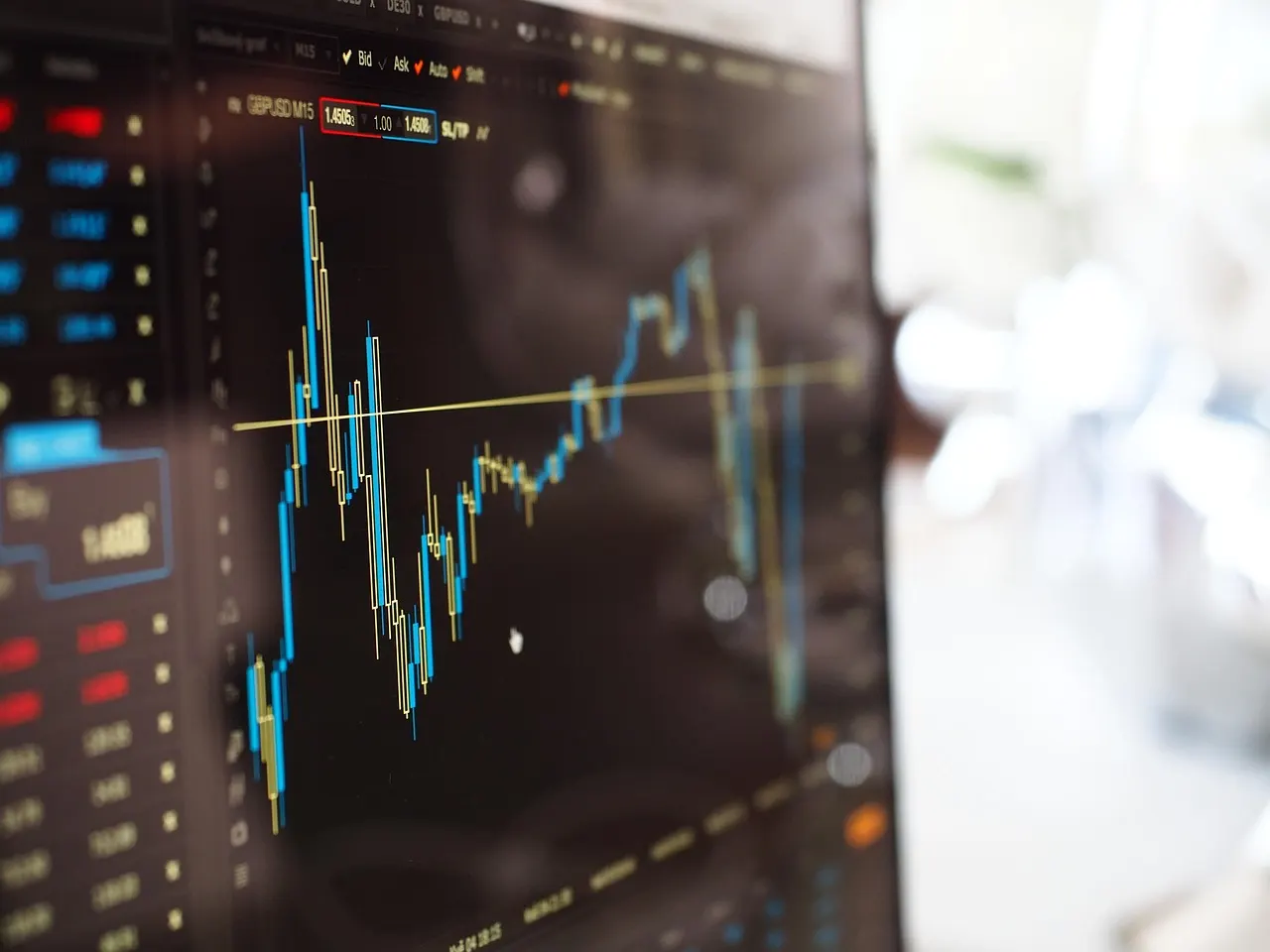
A Step-by-Step Guide to Positioning Your Portfolio
Panic-selling during an earnings-Fed collision is a guaranteed way to lock in permanent losses. Instead of reacting to headlines, execute a deliberate, step-by-step positioning strategy.
Step 1: Assess Your Pre-Week Exposure. Audit your holdings immediately. The tech sector commands a massive weighting in the S&P 500. If your portfolio heavily leans on the Nasdaq 100 or concentrated positions in Apple, Microsoft, Meta, and Amazon, you are overexposed to correlated risk. Trim your position sizes before the earnings drop if you cannot financially or psychologically tolerate a 10% intra-week drawdown in a single stock.
Step 2: Isolate the Cloud Growth Metric. When Microsoft and Amazon report, ignore the headline revenue beats. Analysts already expect massive numbers. The only metric that matters for these two behemoths is cloud growth. Focus entirely on Microsoft Azure and Amazon Web Services (AWS) run rates. If cloud growth accelerates and outpaces estimates, the massive AI capital expenditures are justified through enterprise software demand. If cloud growth stalls, the AI infrastructure bubble narrative takes hold, and the stock will plummet.
Step 3: Scrutinize Meta's Ad Pricing. Meta reports Wednesday amid the Fed chaos. Look past the Reality Labs losses, which Wall Street expects to be deep. Focus your analysis on the average price per ad and the volume of ad impressions. If ad pricing holds strong despite macroeconomic jitters, consumer demand remains robust, and Meta's AI-driven algorithmic feed is successfully monetizing attention.
Step 4: Monitor Apple's Services Margin. Apple's hardware sales are increasingly viewed as a stagnant gateway business. The company's future valuation rests on its Services segment. When Apple reports on Thursday, analyze the gross margins of Services. If hardware drags down the blended margin, the stock's premium multiple is entirely unjustified.
Step 5: Execute an Asymmetric Hedge. If you are holding large, long-term tech positions through this volatility, do not sit naked in the market. Utilize options to hedge against a sharp downward repricing. Purchasing out-of-the-money put options on the Invesco QQQ Trust (QQQ) or the Technology Select Sector SPDR Fund (XLK) provides portfolio insurance. If tech rallies, your underlying position appreciates. If tech crashes due to Fed hawkishness, your puts activate, neutralizing the damage.
Step 6: Separate Signal from Noise in the Aftermath. Let the dust settle. After the closing bell on Thursday, July 30, you will have complete visibility into the Fed's interest rate trajectory and the tech sector's quarterly performance. Do not place major trades on Friday, July 31. Algorithmic trading and retail panic will distort intraday pricing. Spend the weekend reviewing the earnings transcripts. Position your capital for the next quarter based on verified guidance, not the immediate market reaction.
Moving Forward with Leverage
The intersection of the FOMC's July meeting and Q2 tech earnings is not a time to gamble; it is a time to process dense financial data and act decisively. Acknowledge the volatility, deploy your hedges, and rely on hard metrics—cloud growth, ad pricing, and service margins—to dictate your exposure. By maintaining a framework grounded in corporate fundamentals and macroeconomic realities, you transform a week of market chaos into a strategic buying opportunity.
The article shows the pattern. The app trains the response.
Continue in Tikva to turn the insight into a repeated response.
Open TikvaSources and educational notice
This article is educational. It does not provide a medical diagnosis or replace guidance from a qualified health, legal, tax, investment, or financial professional. Decisions about your health or finances should consider your individual circumstances.
- CNBC — CME FedWatch tool showing 46.5% probability of a July rate hike
- Federal Reserve — FOMC meeting minutes confirming the 3.50% to 3.75% target rate and July 28-29 schedule
- Investopedia — News of steep market slides driven by Alphabet and Tesla AI spending concerns
- Meta Investor Relations — Confirmation of Meta's Q2 2026 earnings release on July 29, 2026
- Amazon Newsroom — Confirmation of Amazon's Q2 2026 earnings call on July 30, 2026
- 9to5Mac — Apple's confirmation of its fiscal Q3 2026 earnings release on July 30, 2026
FAQ
How does a potential Fed rate hike in July impact Big Tech stocks?
A rate hike increases the cost of borrowing, which compresses the valuation multiples of high-growth technology stocks. Because mega-cap tech companies drive the majority of the S&P 500's market capitalization, a hawkish Federal Reserve decision on July 29 will likely trigger aggressive algorithmic selling across the Nasdaq.
Why did Alphabet and Tesla stocks sell off before earnings week?
Both companies sold off sharply due to investor anxieties regarding artificial intelligence capital expenditures. Even though revenue remained strong, Wall Street punished the stocks because the massive spending required to build AI infrastructure and data centers threatened short-term operating margins and unclear near-term monetization.
What specific metrics should I watch when Microsoft and Amazon report earnings?
Ignore the headline revenue beats and focus entirely on cloud computing growth. Microsoft Azure and Amazon Web Services (AWS) are the primary engines justifying their massive AI infrastructure investments. If cloud growth decelerates, the market will view their AI spending as a capital drain rather than a strategic investment.
Should I sell my tech stocks before the Fed decision on July 29?
Panic-selling is rarely an optimal strategy. Instead of liquidating, assess your exposure. If you hold too much concentrated risk in tech stocks, consider trimming positions before the earnings drop. For long-term holders, utilizing asymmetric hedges like out-of-the-money put options on a broad tech ETF can protect against downside volatility without forcing you to sell your underlying shares.