Key takeaways
- The DASH food pattern at 1,500 mg of sodium lowered systolic blood pressure by 8.9 mmHg on average — and up to 11.5 mmHg in adults with hypertension — in the DASH-Sodium trial.
- The 2025 AHA/ACC guideline sets the sodium limit at no more than 2,300 mg per day, with 1,500 mg ideal; cutting just 1,000 mg per day is its minimum meaningful step.
- A 2,000-calorie DASH day is 6 to 8 grains, 4 to 5 vegetables, 4 to 5 fruits, 2 to 3 low-fat dairy servings, up to 6 ounces of lean protein, 2 to 3 fats, plus 4 to 5 weekly nut and legume servings.
- Pairing DASH with a 500-calorie daily deficit produces about 0.5 to 1 kg of fat loss per week, and each kilogram lost drops blood pressure roughly 1 mmHg.
- Measurable blood-pressure reductions appear within two weeks, with the largest drops in people with the highest starting pressure — up to 20.8 mmHg in stage 1 hypertension.
The DASH diet meal plan is a serving-counted way of eating: 6 to 8 whole grains, 4 to 5 vegetables, 4 to 5 fruits, 2 to 3 low-fat dairy servings, and up to 6 ounces of lean protein every day, held to under 2,300 mg of sodium — ideally 1,500 mg. In the DASH-Sodium trial, that combination lowered systolic blood pressure by 8.9 mmHg on average and up to 11.5 mmHg in people with hypertension. The 2025 AHA/ACC hypertension guideline makes it the first-line dietary treatment.
Nearly half of all American adults now have blood pressure at or above the 130/80 threshold the guideline targets. The plan it recommends is not an exotic diet — it is a repackaging of familiar foods with exact serving counts and one hard number to hit.
What most people get wrong about DASH
The most common error is treating DASH as "cut the salt and keep eating the same way." The food pattern does at least half the work. In the DASH-Sodium trial, people who followed the DASH food pattern without changing their sodium level still cut systolic pressure by 5.9 mmHg, while cutting sodium alone — without changing the diet — moved it by 2.1 to 6.7 mmHg. Do both and the effect compounds.
The second error is underestimating how much sodium is already in the food supply. Roughly 70% of sodium in a typical Western diet comes from processed and restaurant food, not the saltshaker. That is why the plan below is built from ingredients, not packages.

What is the DASH diet and what can you eat?
DASH stands for Dietary Approaches to Stop Hypertension. It was developed by the U.S. National Heart, Lung, and Blood Institute and first tested in a 1997 landmark trial, which found the pattern lowered systolic pressure by 5.5 mmHg in eight weeks — with no calorie restriction at all.
The pattern runs on potassium, calcium, magnesium and fiber from whole foods, and it scales to any calorie target. The standard version is written for 2,000 calories a day. Here is the full DASH diet food list with servings:
- Grains (6 to 8 servings): 1 slice of bread, 1 ounce of dry cereal, or 1/2 cup of cooked rice, pasta or oatmeal — mostly whole grains.
- Vegetables (4 to 5 servings): 1 cup of raw leafy greens or 1/2 cup of cooked or raw chopped vegetables.
- Fruits (4 to 5 servings): 1 medium fruit, 1/2 cup of fresh, frozen or canned fruit, or 1/4 cup of dried fruit.
- Low-fat or fat-free dairy (2 to 3 servings): 1 cup of milk or yogurt, or 1 1/2 ounces of cheese.
- Lean meat, poultry and fish (up to 6 ounces): cooked, skinless, portioned about the size of a deck of cards per meal.
- Fats and oils (2 to 3 servings): 1 teaspoon of oil or soft spread, or 2 tablespoons of salad dressing.
- Nuts, seeds and legumes (4 to 5 servings per week): 1/3 cup of nuts, 2 tablespoons of seeds or peanut butter, or 1/2 cup of cooked beans.
- Sweets (5 or fewer per week): 1 tablespoon of sugar or jam, or 1/2 cup of sorbet.
At lower calorie targets the servings scale down. On the 1,400 to 1,600 calorie version, grains drop to 5 to 6, vegetables to 3 to 4, and lean protein to 3 to 4 ounces.
How much sodium can you have on the DASH diet?
The 2025 AHA/ACC hypertension guideline sets the sodium ceiling at no more than 2,300 mg per day, with 1,500 mg as the ideal — the exact level the DASH-Sodium trial linked to the largest blood-pressure drop. If 1,500 mg feels out of reach, the guideline offers a minimum that still counts: cutting just 1,000 mg per day produces a clinically meaningful reduction.
One detail trips people up: sodium is the target, but potassium is the partner. The guideline recommends 3,500 to 5,000 mg of potassium per day from food — not pills — because potassium blunts sodium's pressure-raising effect. If you have chronic kidney disease, check with your clinician before leaning on high-potassium foods or potassium-based salt substitutes.
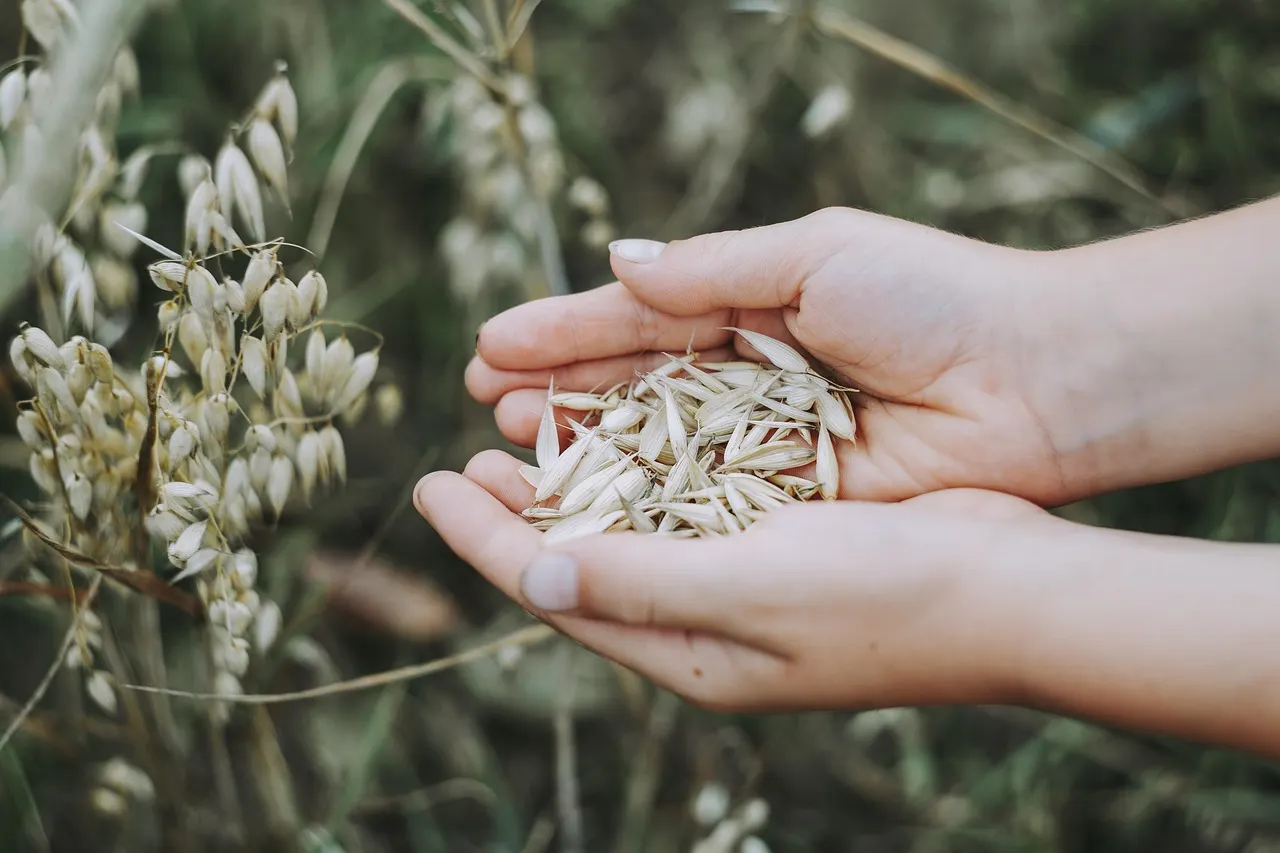
The DASH diet meal plan: one full low-sodium day
Here is a serving-by-serving day at roughly 1,900 calories that hits every DASH target and stays under 1,500 mg of sodium. Cook with herbs, citrus, vinegar and no-salt seasoning blends, and rinse canned beans and vegetables first — that step alone removes 30 to 40% of the sodium.
Breakfast (2 grains, 2 fruit, 1 dairy, 1/2 fat): 1 cup of cooked oatmeal (2 grains) with 1 cup of sliced banana (2 fruits), 1 tablespoon of walnuts and 1 cup of plain low-fat yogurt (1 dairy). Sodium: about 130 mg.
Lunch (2 grains, 2 vegetables, 2 dairy, 1/2 fat): a whole-wheat pita (2 grains) stuffed with 1 cup of raw spinach and 1/2 cup of cucumber (2 vegetables), 1 1/2 ounces of low-fat cheese (1 dairy), and 1 teaspoon of olive oil in a vinaigrette (1 fat). Sodium: about 420 mg.
Snack (1 fruit, 1 dairy): 1 medium apple (1 fruit) with 1 cup of low-fat kefir (1 dairy). Sodium: about 90 mg.
Dinner (2 grains, 2 vegetables, 2 fats, 1 fruit): 5 ounces of baked salmon (5 ounces of protein) with 1 cup of roasted broccoli and 1/2 cup of roasted sweet potato (2 vegetables) tossed in 1 teaspoon of olive oil (1 fat), 3/4 cup of cooked quinoa (2 grains) and 1/2 cup of strawberries (1 fruit). Sodium: about 280 mg.
Daily totals: 7 grains, 4 vegetables, 4 fruits, 3 dairy, 6 ounces of protein, 2 fats and 1 weekly nut serving — every DASH target met at about 920 mg of sodium, leaving room for seasoning and a square of dark chocolate.
Does the DASH diet help you lose weight?
On its own, DASH produces modest loss — roughly 1 to 2 kg over a few months in trials — because it was built for blood pressure, not a calorie deficit. If fat loss is the goal, keep the pattern and shrink the portions: a 500-calorie-per-day deficit delivers about 0.5 to 1 kg of fat loss per week, the realistic ceiling recommended by obesity and sports-medicine guidelines.
That is where the payoff doubles. Blood pressure falls roughly 1 mmHg per kilogram of body weight lost, and losing 5% of body weight is the exact threshold the 2025 guideline flags as clinically meaningful. Run a DASH pattern inside a modest deficit and you stack the diet's blood-pressure effect on top of the weight loss's effect.
DASH diet vs Mediterranean diet: which should you choose?
They share a core: produce, whole grains, fish, nuts and limited red meat. The 2025 guideline names DASH as the eating pattern of choice for blood pressure, while Mediterranean has the strongest record for preventing cardiovascular events in large trials such as PREDIMED.
Choose DASH when blood pressure is the primary target — its serving counts and explicit sodium ceiling give you something concrete to execute. Choose Mediterranean when you want more flexibility with fats and oils. They are compatible: a Mediterranean-style DASH, built on olive oil, fatty fish and abundant produce, is arguably the most practical version of both.
How fast does the DASH diet lower blood pressure?
Measurable changes appear within two weeks. In the DASH-Sodium trial, every feeding period ran 30 days, and participants with the highest starting pressure saw the biggest drops — up to 11.5/5.7 mmHg among those with hypertension at the 1,500 mg sodium level. A 2017 analysis of the same data found reductions from 5.3 mmHg in people with normal starting pressure to 20.8 mmHg in those with stage 1 hypertension.
Blood pressure responds fastest when starting pressure is high and the change is abrupt. That is why home monitoring belongs in week one: seated, feet flat, five quiet minutes, two readings one minute apart, with a validated arm cuff.
What foods are not allowed on the DASH diet?
Nothing is technically banned, which is part of why DASH is sustainable. But five categories will quietly blow your targets, and they are where most people fail:
- High-sodium processed foods: deli meat, canned soup, frozen entrees, bottled sauces and most restaurant meals. A single fast-food sandwich can exceed the entire 1,500 mg day.
- Fatty meats and full-fat dairy: they crowd out the lean protein and saturated-fat limits the pattern sets.
- Added sugars: capped at 5 servings per week, so sodas, pastries and candy are occasional, not daily.
- Tropical fats: coconut, palm and palm-kernel oils, which raise LDL cholesterol.
- Salt-based seasonings: soy sauce, fish sauce, bouillon and seasoned salts.
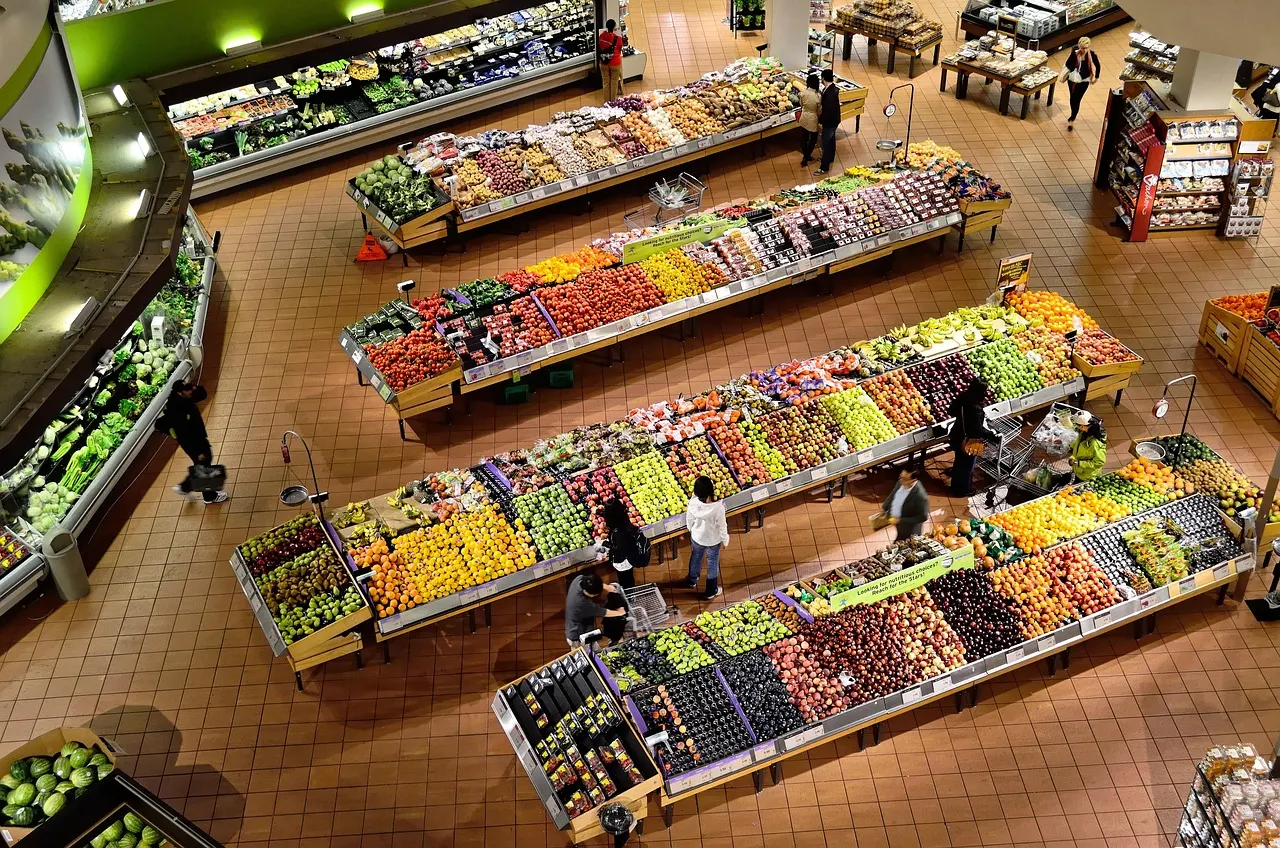
Your first seven days on DASH
Do not try to rebuild your kitchen in an afternoon. Run this sequence instead:
- Measure your baseline. Read the labels on everything you ate yesterday and total the sodium. If it is above 2,300 mg, that gap is your starting point.
- Commit to one swap per day. Canned soup becomes homemade, deli turkey becomes roasted chicken, white bread becomes whole grain. Each swap closes the gap by hundreds of milligrams.
- Restructure the plate. Half produce, a quarter whole grains, a quarter lean protein, one dairy serving.
- Rinse the cans. Beans and vegetables lose up to 40% of their sodium under running water.
- Take a home blood-pressure reading now and repeat it at the same time each morning. You are tracking a trend, not a verdict.
If you have a medical condition, are pregnant, or take medication — including blood-pressure drugs or a GLP-1 — check with your clinician before big changes, since a rapid drop in pressure may require a medication adjustment.
The article shows the pattern. The app trains the response.
Continue in Tikva to turn the insight into a repeated response.
Open TikvaSources and educational notice
This article is educational. It does not provide a medical diagnosis or replace guidance from a qualified health, legal, tax, investment, or financial professional. Decisions about your health or finances should consider your individual circumstances.
- 2025 AHA/ACC hypertension guideline — the 1,500 mg ideal sodium target, DASH as first-line diet, and the 130/80 treatment goal
- National Heart, Lung, and Blood Institute — official DASH eating plan serving counts and sodium levels
- DASH-Sodium trial (Sacks et al., N Engl J Med 2001) — 8.9/4.5 mmHg average reduction at 1,500 mg sodium
- Original DASH trial (Appel et al., N Engl J Med 1997) — 5.5/3.0 mmHg reduction in eight weeks
- 2017 JACC analysis of DASH-Sodium — reductions of 5.3 to 20.8 mmHg by baseline blood pressure
- Clinical summary of the new blood-pressure guideline — lifestyle-first recommendations and targets
FAQ
What is the DASH diet and what can you eat?
DASH stands for Dietary Approaches to Stop Hypertension. You eat 6 to 8 grain servings, 4 to 5 vegetables, 4 to 5 fruits, 2 to 3 low-fat dairy servings and up to 6 ounces of lean protein daily, plus weekly nuts and legumes, all under 2,300 mg of sodium.
How much sodium can you have on the DASH diet?
The 2025 AHA/ACC guideline allows up to 2,300 mg per day, with 1,500 mg as the ideal target — the level linked to the largest blood-pressure drop in the DASH-Sodium trial. Cutting just 1,000 mg per day is the guideline's minimum meaningful step.
Does the DASH diet help you lose weight?
On its own, DASH produces only modest loss — roughly 1 to 2 kg in trials — because it targets blood pressure, not calories. Combined with a 500-calorie daily deficit, it supports realistic fat loss of about 0.5 to 1 kg per week, and the weight loss lowers blood pressure further.
How fast does the DASH diet lower blood pressure?
Measurable drops appear within two weeks. In the 30-day DASH-Sodium feeding study, average systolic pressure fell 8.9 mmHg at the 1,500 mg sodium level, and up to 11.5 mmHg in participants with hypertension. People with the highest starting pressure see the largest reductions.
What foods are not allowed on the DASH diet?
Nothing is strictly banned, but DASH limits high-sodium processed foods, fatty meats, full-fat dairy, added sugars (5 servings per week maximum) and tropical fats like coconut oil. Deli meats, canned soups and restaurant meals are the usual sodium culprits.