Key takeaways
- Between July 26 and 27, 2026, a coordinated cyberattack hit the operational technology of more than 30 Minnesota water systems, notably knocking the Braham water plant offline.
- U.S. investigators and intelligence agencies suspect the breach was carried out by Iranian-affiliated hackers, specifically targeting Programmable Logic Controllers (PLCs).
- CISA, the FBI, and the EPA issued joint advisories warning that Iranian-affiliated cyber actors are actively exploiting internet-exposed OT devices across the U.S.
- The U.S. water sector remains highly vulnerable; a recent GAO report highlighted a critical lack of cybersecurity risk assessment requirements for drinking water systems.
- Citizens should rely on official municipal alerts for emergency instructions and maintain a standard emergency supply of one gallon of water per person per day.
On Sunday, July 26, 2026, the residents of Braham, Minnesota—a small city roughly 90 miles north of the Twin Cities—were asked to immediately curtail their water use. The city’s water treatment plant had abruptly gone offline. The cause was not a mechanical failure or a severe weather event. It was a coordinated cyberattack.
Simultaneously, the operational technology governing water systems in more than 30 communities across Minnesota—from Plymouth and South St. Paul to Maple Plain—was being probed, breached, and disrupted by malicious actors. Five days later, federal investigators and U.S. intelligence agencies are increasingly pointing the finger at hackers affiliated with Iran.
The Minnesota IT Services (MNIT) agency confirmed the unprecedented scope of the intrusion, which spanned July 26 and 27. While plant operators successfully maintained water quality and safety across all affected municipalities, the event represents a watershed moment in the targeting of U.S. critical infrastructure. The message from federal cybersecurity officials is clear: the systems that clean and deliver drinking water are glaringly exposed, and local utilities must immediately shore up their defenses.
The Anatomy of a Coordinated Attack
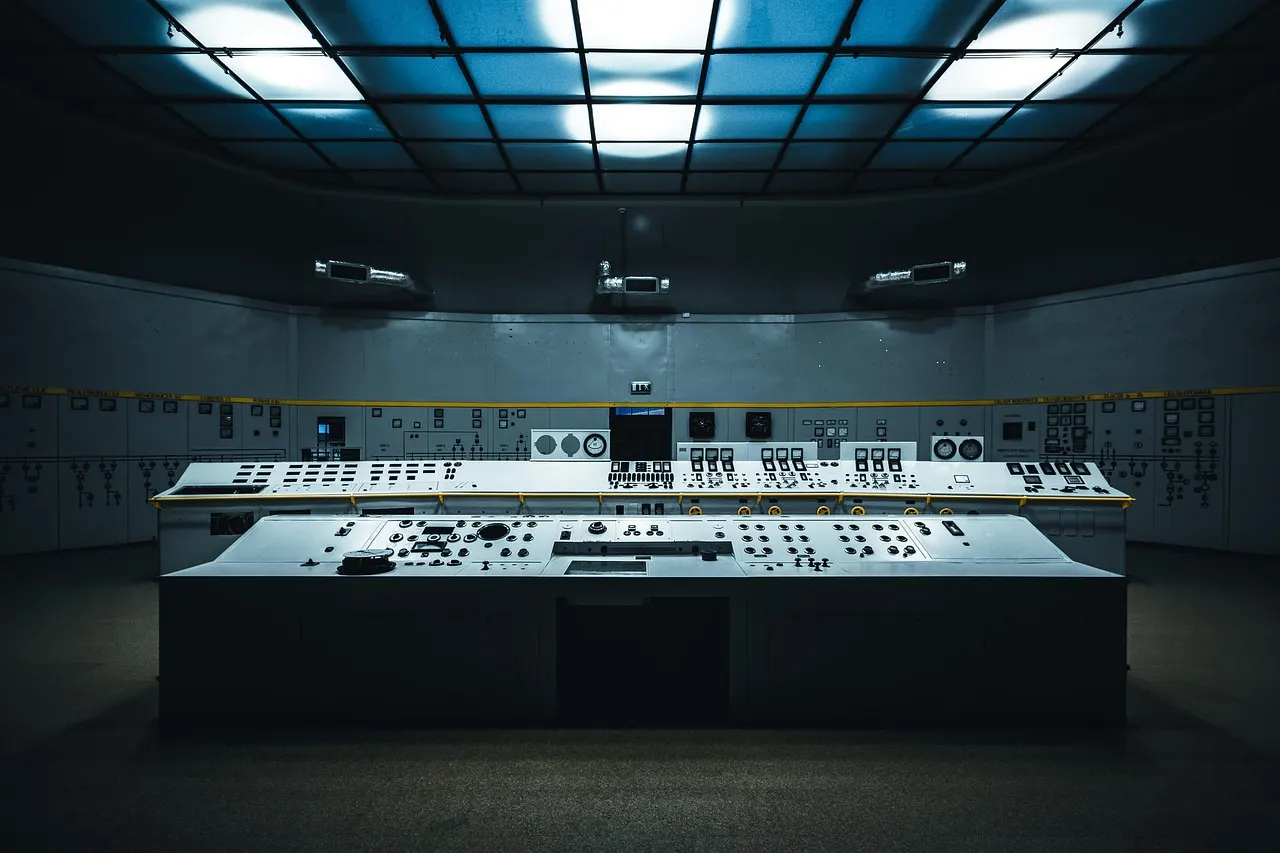
According to statements from MNIT and local officials, the attackers targeted the operational technology (OT) governing the water utilities. Unlike traditional IT networks, which manage data and emails, OT networks control physical machinery—pumps, valves, and chemical dosing systems.
In Braham, the cyberattack successfully knocked the operating controls offline, forcing the city to rely on its water tower reserves. In nearby Plymouth, attackers disrupted cellular communication links tied to the water system's monitoring infrastructure. Though jarring for operators, these disruptions did not result in physical damage to the facilities, nor did they compromise the safety of the drinking water.
However, the sheer scale and synchronization of the attack set off immediate alarm bells. By July 30, 2026, reports from the New York Times and other major outlets indicated that U.S. investigators believed the breaches were the work of Iranian-linked hackers. This assessment aligns closely with a joint advisory published just days earlier by the Cybersecurity and Infrastructure Security Agency (CISA), the FBI, and the Environmental Protection Agency (EPA).
Why Water Systems Are the Weakest Link
The breach in Minnesota is not an isolated incident; it is the inevitable result of systemic underfunding and structural vulnerabilities in the U.S. water sector. According to Dr. David Simonton, a water sector cybersecurity expert who testified before the U.S. Senate Environment and Public Works committee earlier in 2026, the water sector remains one of the most cyber-vulnerable critical infrastructure sectors in the country.
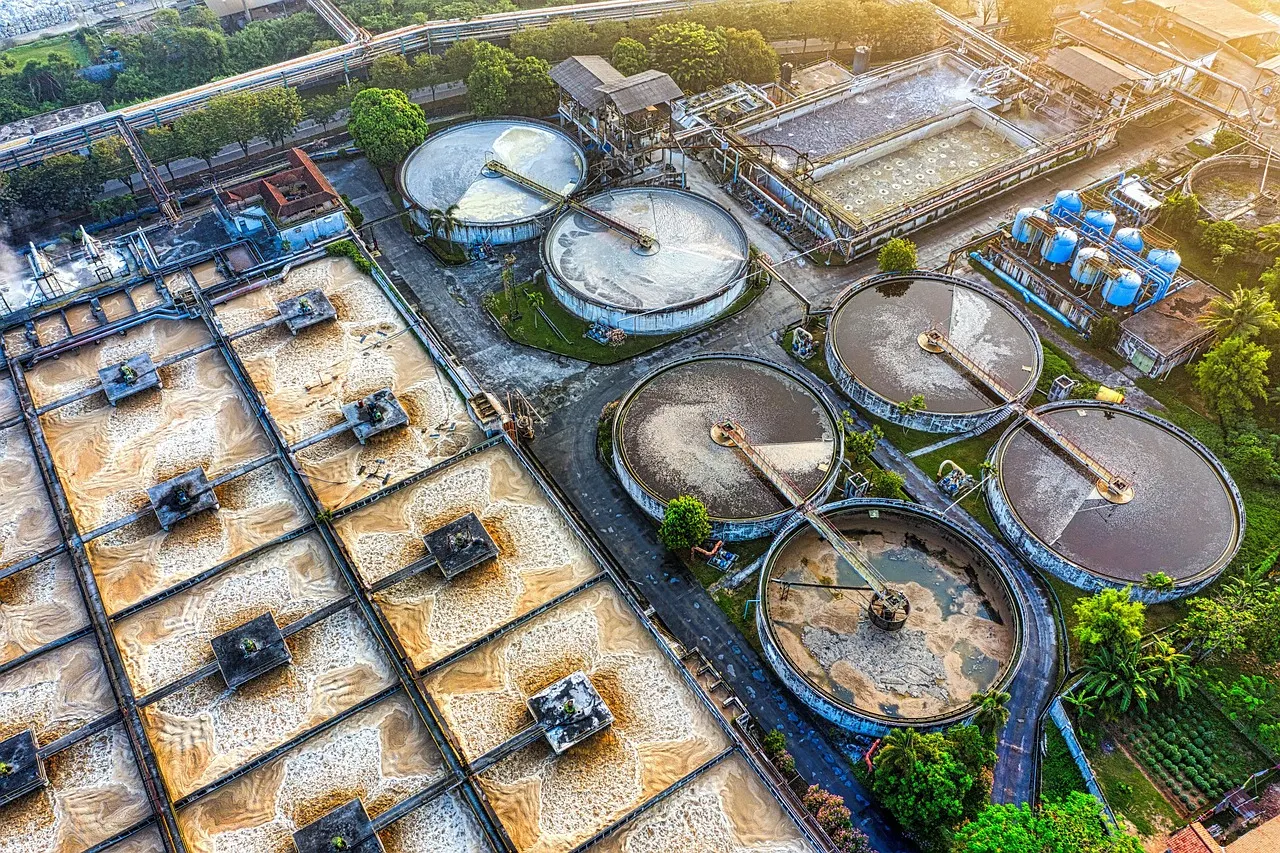
The core issue is the widespread under-resourcing of local utilities. The U.S. has nearly 170,000 public water systems. While large, well-funded utilities in major cities can afford dedicated cybersecurity teams, the vast majority of these systems serve small communities and operate on shoestring budgets.
A highly publicized 2024 inspection and audit by the EPA revealed alarming deficiencies across the board. The agency identified "critical" cybersecurity vulnerabilities in many water utilities, finding that a significant number of systems had failed to change default manufacturer passwords on their operational technology or had neglected to install basic security patches.
In its 2026 Government Accountability Office (GAO) report (GAO-26-109159), investigators explicitly noted a distinct lack of cybersecurity risk assessment requirements for both wastewater and drinking water systems, leaving a massive regulatory blind spot.
The Target: Programmable Logic Controllers (PLCs)
The July 2026 attack in Minnesota perfectly mirrors the warnings laid out in CISA Advisory AA26-097A. The advisory details how Iranian-affiliated Advanced Persistent Threat (APT) actors have been actively scanning for, accessing, and exploiting internet-connected operational technology devices across the United States.
The primary targets of these intrusions are Programmable Logic Controllers (PLCs)—the ruggedized computers that directly control physical processes within a water plant. According to CISA and the FBI, threat actors have been actively targeting PLCs manufactured by companies like Rockwell Automation and Allen-Bradley. By accessing these devices, attackers can potentially alter how chemicals are dosed, manipulate pump speeds, or shut down operations entirely, as seen in Braham.
What Municipalities Must Do Now
The intrusion into Minnesota's water systems serves as a stark playbook for what other municipalities must immediately implement to secure their infrastructure.
- Disconnect PLCs from the Public Internet: CISA's primary directive is simple but frequently ignored. Operational technology must be segmented from public-facing networks. Utilities should ensure that remote access is only possible through secure Virtual Private Networks (VPNs) or dedicated gateways with multi-factor authentication.
- Conduct Cyber-Physical Safety Checks: Utilities must install independent, manual safety systems—such as backflow preventers, pressure relief valves, and local alarms—that physically prevent dangerous conditions if digital controls are compromised or manipulated.
- Inventory and Patch: Utilities cannot secure what they do not know they own. A complete inventory of all OT assets is the foundational step, followed by rigorous patching of known vulnerabilities and the forced resetting of all default passwords.
- Adopt the CISA Water Toolkit: CISA maintains a specific Water and Wastewater Cybersecurity Toolkit designed to consolidate resources and guidance for systems at every level of cybersecurity maturity. Municipalities must integrate these protocols immediately.
A Practical Guide for Citizens: How to Stay Informed and Safe
While the burden of securing the water supply falls squarely on utility operators and federal regulators, citizens must also be proactive. When local infrastructure is breached, panic is not a strategy. Preparation is.
1. Monitor Official Local Channels: In the event of a cyberattack, your local municipality's website, verified social media accounts, and local emergency alert systems are the primary sources of truth. In Braham, officials were able to quickly issue water conservation notices through official channels to manage the plant's temporary shutdown.
2. Understand the Difference Between OT and Water Quality: A cyberattack on a water system's operational technology does not automatically mean the water is contaminated. In Minnesota, officials reiterated that drinking water remained safe and fully operational across all 30+ affected systems. Physical backups and manual overrides typically prevent chemical overdosing or contamination during digital outages.
3. Maintain an Emergency Water Supply: The U.S. Federal Emergency Management Agency (FEMA) recommends keeping a supply of water for emergencies—a standard of one gallon of water per person per day for at least three days, for both drinking and sanitation. When a cyberattack forces a plant offline or mandates conservation, having a buffer prevents immediate vulnerability.

4. Demand Transparency: Citizens have the right to know how their local utilities are managed. Engage with local city council meetings to ask whether the municipality has conducted a cybersecurity risk assessment, if they utilize CISA's free vulnerability scanning services, and how their operational technology is segmented from the public internet.
The New Reality of Infrastructure Defense
The coordinated strike against more than 30 Minnesota water systems between July 26 and 27, 2026, is a definitive signal that foreign adversaries view local, under-resourced utilities as viable targets for disruption. It underscores a reality that federal agencies have been warning about for years: the interface between the digital and physical worlds is highly porous.
As federal investigators continue to trace the origins of the attack and local operators work to fully restore and secure their networks, the focus must shift from reactive incident response to proactive defense. The safety of the tap relies entirely on the security of the code that governs it.
The article shows the pattern. The app trains the response.
Continue in Tikva to turn the insight into a repeated response.
Open TikvaSources and educational notice
This article is educational. It does not provide a medical diagnosis or replace guidance from a qualified health, legal, tax, investment, or financial professional. Decisions about your health or finances should consider your individual circumstances.
- CISA Advisory AA26-097A — Details the exploitation of PLCs by Iranian-affiliated threat actors.
- U.S. Government Accountability Office (GAO-26-109159) — Highlights the lack of cybersecurity requirements in the water sector.
- U.S. Environmental Protection Agency (EPA) — Data on critical vulnerabilities identified in municipal water utilities.
- U.S. Senate Environment and Public Works Committee Testimony — Expert analysis on the cyber vulnerabilities of the U.S. water sector.
- The New York Times — Reports on U.S. investigators suspecting Iranian hackers in the Minnesota water systems breach.
- KARE 11 — Local reporting on the Braham water plant shutdown and resident conservation notices.
FAQ
Was the drinking water in Minnesota contaminated during the July 2026 cyberattack?
No. State officials and local municipalities confirmed that while operational technology was disrupted, drinking water remained safe across all affected systems. Cyber-physical safety systems and manual overrides prevented any alteration of water quality or chemical dosing.
Why are hackers targeting local municipal water systems?
Many local water systems are under-resourced and lack dedicated cybersecurity personnel, making them highly vulnerable. State-sponsored actors target these utilities to test capabilities, cause widespread disruption, and probe the vulnerabilities of U.S. critical infrastructure without triggering a military response.
What is a Programmable Logic Controller (PLC) and why was it targeted?
A PLC is an industrial computer that directly controls the physical machinery of a water plant, such as pumps, valves, and chemical dosing mechanisms. Hackers target PLCs because they are frequently left exposed to the public internet, and compromising them allows attackers to directly manipulate physical operations.
What should I do if my local water system is hit by a cyberattack?
Monitor official municipal channels for real-time updates. Do not panic, but be prepared to follow immediate instructions, which may include a boil-water advisory or a request to conserve water. Maintaining an emergency supply of one gallon of water per person per day for at least three days will provide a necessary buffer.