Key takeaways
- Since 1928, the S&P 500 has averaged a 0.5% decline in August, with negative returns in 42% of years—making it one of only two months with a negative historical average.
- The June 2026 jobs report showed just 57,000 nonfarm payrolls added, well below the 113,000 consensus, signaling a cooling labor market that raises the stakes for the August report.
- NVIDIA reports fiscal Q2 2027 earnings on August 26, 2026, with options implying an 8–10% one-day move that could set the tone for the entire S&P 500.
- Goldman Sachs forecasts S&P 500 EPS of $340 for 2026—a 24% jump—but widening dispersion between mega-cap winners and laggards makes concentration risk the primary threat.
- Defensive sectors—healthcare, consumer staples, and utilities—have historically outperformed during the August-to-October drawdown, according to LPL Research tactical positioning.
On the morning of August 3, 2026, CNBC and Yahoo Finance flagged a warning that veteran traders know by heart: August is historically the most volatile month of the year for equities. This time, the seasonal slump arrives with particularly high stakes. The market closed July after a whipsaw earnings week, with Amazon surging over 15 percent in a single session after posting its biggest quarterly revenue growth in four years, while Apple offered a more cautious read on consumer demand. Meanwhile, the June jobs report showed nonfarm payrolls growing by a tepid 57,000—well below the Bloomberg consensus of 113,000—and the unemployment rate holding at 4.2 percent. All of which sets up a tense August 2026: historically the worst stretch for stocks, now colliding with a labor market that is cooling faster than economists expected.
This is not a coincidence. The old trading adage—"sell in May and go away"—exists because the May-through-October period has historically underperformed the November-through-April stretch. And August is the fulcrum. Since 1928, the S&P 500 has averaged a 0.5 percent decline in August, making it one of only two months (alongside September) with a negative average return. Worse, the August-through-October window is the worst three-month stretch on the calendar. For investors sitting on gains from a strong first half of 2026, the question is not whether volatility will hit—it already has—but how to position a portfolio to survive it without selling at the bottom.
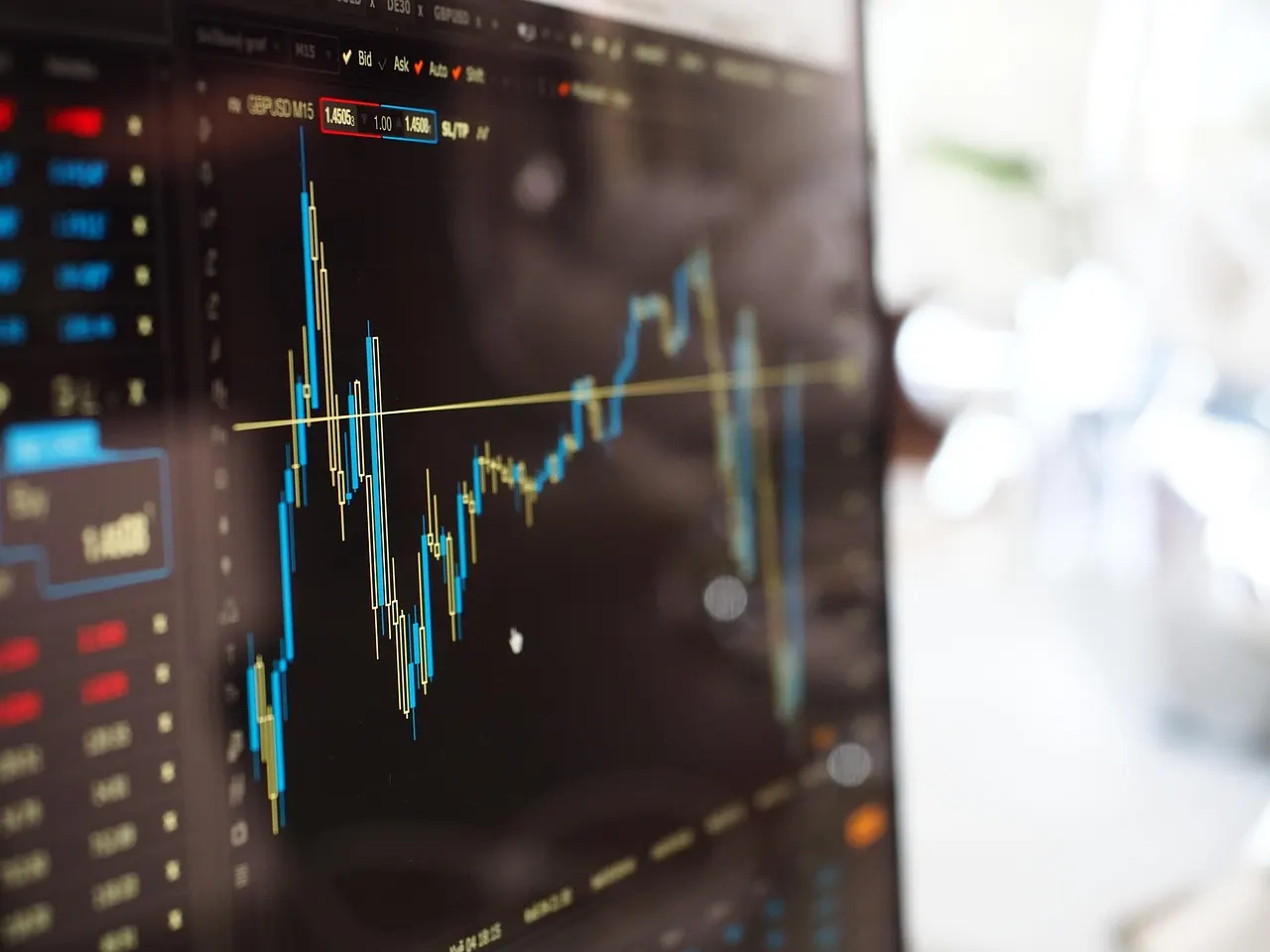
The Data Behind the August Jinx
The numbers are unambiguous. According to data compiled by Yahoo Finance and Business Insider, the S&P 500 has declined 39 times in August over the past 92 years—a 42 percent frequency of losses. Only September has a worse hit rate. MarketWatch notes that August has become particularly brutal in recent decades, with realized and unrealized volatility spiking as trading volume thins during late-summer vacation weeks. The CBOE Volatility Index (VIX) has historically risen from mid-July through late August, reflecting the market's tendency to gap violently on thin liquidity.
The reasons are structural, not mystical. Summer trading desks are staffed by junior personnel while senior portfolio managers are in the Hamptons or traveling. Lower participation means wider bid-ask spreads and sharper moves on unexpected news. August also marks the start of the fall earnings-forecasting season, when companies begin signaling whether third- and fourth-quarter guidance will hold—a moment when disappointing data gets punished disproportionately.
What Is Different in August 2026
This August arrives at an awkward moment for the U.S. economy. The June 2026 jobs report, released by the Bureau of Labor Statistics in early July, was a shock: just 57,000 new nonfarm payrolls, a fraction of the 123,000 monthly average going back to 1939. Revisions to April and May were also shaved by 74,000. The unemployment rate held at 4.2 percent, but the trend is clear—hiring is decelerating, and Wells Fargo's economics team has flagged the broader cooling in labor demand as the single biggest risk to the consumer-driven expansion.
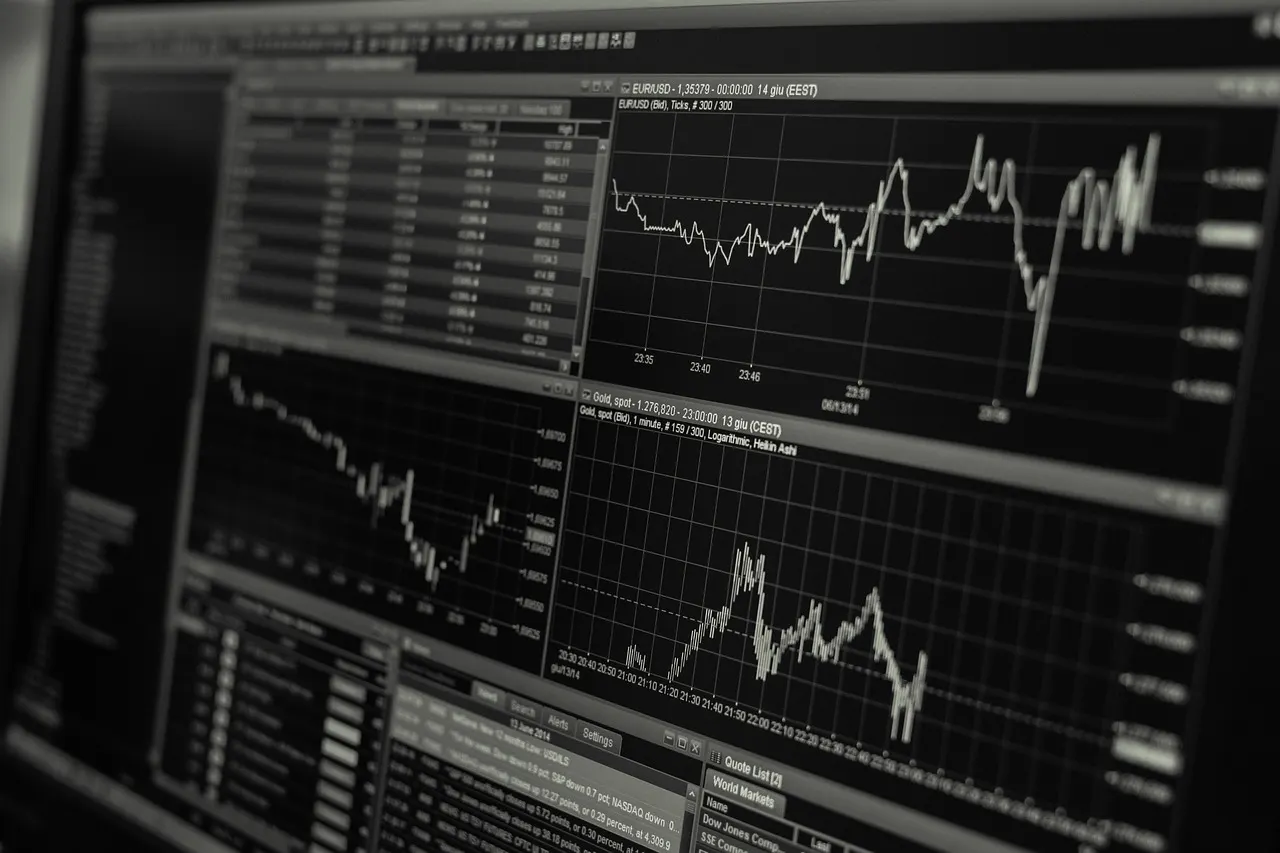
The jobs data matters because it feeds directly into the Federal Reserve's next move. Wells Fargo's midyear outlook argues that the Fed will likely hold rates steady through year-end 2026, with inflation still bumping on energy costs. But if the August jobs report—due the first week of September—shows further weakness, rate-cut expectations will re-price violently. That repricing alone could drive a 5 to 10 percent swing in the S&P 500 over a matter of days.
Layered on top is the most concentrated earnings season in recent memory. Amazon's blowout July 30 report—23 percent gains year-to-date through Thursday's close—showed that AI-driven cloud demand is still fueling mega-cap growth. But Apple's softer iPhone guidance the same week underscored that not every part of the market is participating. NVIDIA, the bellwether of the AI trade, reports its fiscal Q2 2027 results on August 26, 2026, and Wall Street expects the stock to move 8 to 10 percent in either direction on the print. Goldman Sachs is forecasting S&P 500 EPS of $340 for the full year—a 24 percent jump—but the dispersion between winners and losers is widening.
A Concrete Rebalancing Playbook
The goal in August is not to time the market. It is to ensure that a single bad jobs print or a single disappointing earnings release does not derail a multi-year financial plan. Vanguard's research on rebalancing confirms that disciplined, rules-based rebalancing adds roughly 0.35 percent in annualized return over buy-and-hold strategies—not by predicting the future, but by forcing investors to trim what has run hot and add to what has lagged.
1. Audit your exposure before August 15. The biggest risk most investors carry into August is concentration. If the S&P 500's gains in 2026 have been driven by a handful of mega-cap tech names, a portfolio that started the year at 60 percent equities is probably sitting closer to 68 or 70 percent today—and most of that drift is in semiconductors and software. The fix is mechanical: calculate current weights, compare them to your target allocation, and trim any position that has drifted more than 5 percentage points above target.
2. Build a cash buffer for August 26. NVIDIA's earnings report on August 26 is the single highest-conviction event of the month. Historical options pricing implies a one-day move of roughly 8 percent in either direction. If the entire AI complex moves with it, there will be opportunities to buy quality names at a discount—or to sell into strength. Having 3 to 5 percent of the portfolio in cash or short-duration Treasuries gives you the dry powder to act without being forced to sell something else at a loss.

3. Rotate into defensive sectors, but do not abandon growth. LPL Research has shifted its tactical asset allocation to a more defensive positioning, favoring healthcare, consumer staples, and utilities—the three sectors that have historically outperformed during August-to-October drawdowns. But this is a tactical trim, not a strategic exit. Goldman's earnings forecast assumes mega-cap tech will continue to compound at double digits; selling all exposure in August means missing the recovery.
4. Shorten duration on the bond side. If the August jobs report comes in weak, the bond market will price in faster Fed cuts, and long-duration Treasuries will rally. But if inflation re-accelerates on energy costs—as Wells Fargo expects—long-duration bonds will sell off hard. The tradeoff is ugly either way. A barbell of short-duration Treasuries (1 to 3 year maturities) and high-quality investment-grade corporates gives you income without betting the farm on the duration trade.
5. Set price alerts, not stop-losses. In thin August liquidity, stop-loss orders get triggered by flash crashes and gap-downs that reverse within hours. Use price alerts instead, and commit to reviewing them manually. This forces a 24-hour cooling-off period before any emotional decision.
The August 26 Pivot Point
If there is a single date to circle in August 2026, it is August 26. NVIDIA's earnings will not just move the stock—it will move the entire market's read on whether the AI capital expenditure cycle is intact. If NVIDIA beats and raises, the August jinx could be broken in a single session. If it disappoints, the seasonal drawdown could accelerate into a 10 percent correction before Labor Day. Either way, the investors who arrive at that date with a rebalanced portfolio, a cash buffer, and a clear list of names they want to own will be the ones who profit from the volatility rather than being punished by it.
The August market jinx is not a superstition. It is a pattern rooted in thin liquidity, shifting guidance, and the structural reality that the worst three months for stocks begin now. Treat it as a planning exercise, not a panic—and the jinx becomes an opportunity.
The article shows the pattern. The app trains the response.
Continue in Tikva to turn the insight into a repeated response.
Open TikvaSources and educational notice
This article is educational. It does not provide a medical diagnosis or replace guidance from a qualified health, legal, tax, investment, or financial professional. Decisions about your health or finances should consider your individual circumstances.
- Yahoo Finance — August historical S&P 500 returns and seasonality data
- Bureau of Labor Statistics — June 2026 Employment Situation Summary (57,000 payrolls, 4.2% unemployment)
- TD Economics — Analysis of June 2026 jobs miss and prior-month revisions
- Investopedia — July 30, 2026 tech earnings (Amazon, Apple) and market reaction
- Goldman Sachs — 2026 S&P 500 EPS forecast of $340 and earnings growth outlook
- MarketWatch — August volatility patterns and historical realized vs. unrealized VIX behavior
FAQ
Why is August historically the worst month for stocks?
Since 1928, the S&P 500 has averaged a 0.5% decline in August, with negative returns in 42% of years. The pattern is driven by thin summer trading liquidity, senior traders being away from desks, and companies beginning to signal whether fall guidance will hold—all of which amplify volatility on unexpected news.
What is the single most important event in August 2026 for investors?
NVIDIA's fiscal Q2 2027 earnings report on August 26, 2026. Options markets are pricing an 8–10% one-day move in the stock, and because NVIDIA is the bellwether for the entire AI capital expenditure cycle, the print will likely drag the broader S&P 500 and Nasdaq with it in either direction.
How should I rebalance my portfolio ahead of August volatility?
Start by auditing your current allocation against your target—any position that has drifted more than 5 percentage points above target should be trimmed. Build a 3–5% cash buffer for opportunities around August 26. Consider rotating tactically into defensive sectors like healthcare, consumer staples, and utilities, which LPL Research notes have historically outperformed during August-to-October drawdowns.
Does the weak June 2026 jobs report mean a recession is coming?
Not necessarily, but it is a warning sign. The June report showed just 57,000 new nonfarm payrolls versus a 113,000 consensus, and prior months were revised down by 74,000. Wells Fargo's outlook still calls for steady Fed policy through year-end, but another weak print in the August jobs report—released in early September—could trigger rapid repricing of rate-cut expectations and a sharp equity market swing.