Key takeaways
- Over 60,000 Spokane residents were forced to evacuate on August 2, 2026, with 0% containment and more than 5,390 acres burned, demonstrating the need for a pre-packed 72-hour emergency Go Bag.
- Wildfire-specific PM2.5 causes up to a 10% spike in respiratory hospitalizations per 10 μg/m³ increase and is linked to roughly 11,415 U.S. deaths annually, requiring N95 respirators and True HEPA indoor filtration for protection.
- Embers travel up to a mile ahead of flames; maintaining a non-combustible Zone 0 (0-5 feet) from your home's foundation and using 1/16-inch metal vent mesh is the most critical structural defense.
- Insurers are increasingly issuing non-renewals and introducing percentage-based 'wildfire deductibles,' making it vital to verify that your dwelling coverage matches current reconstruction costs.
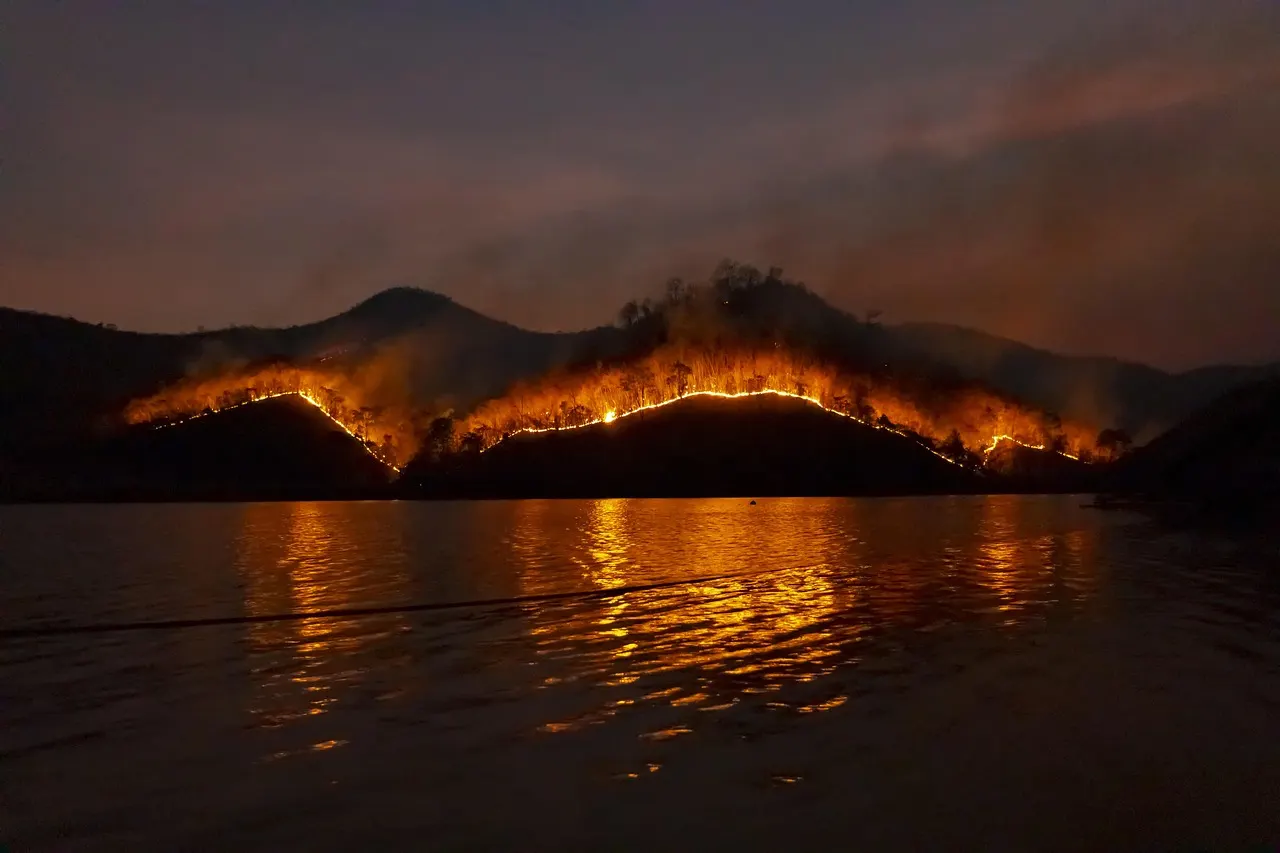
By Sunday, August 2, 2026, the sky over Spokane, Washington, had turned a hostile, apocalyptic orange. Three fast-moving wildfires—the Old Trails Fire, the Gray Fire, and others burning across Spokane County—had consumed over 5,390 acres with 0% containment. Fueled by extreme heat and erratic winds, the blazes destroyed an estimated 600 structures, wiping out entire neighborhoods in the Indian Trail area. By Monday morning, roughly 60,000 residents were placed under Level 3 evacuation orders, triggering the region's largest mobilization of the Washington National Guard in recent history and sending a thick plume of toxic smoke across the western United States.
The inferno in Spokane is not an isolated emergency; it is the defining disaster of the 2026 wildfire season. Millions of Americans from the Pacific Northwest to the Midwest are currently living under air quality alerts, facing a threat that extends far beyond the fire line. Wildfire smoke is no longer a localized nuisance—it is a pervasive, highly toxic public health hazard. Whether you are in the direct path of an evacuation zone or breathing hazardous ash hundreds of miles away, preparation is your primary leverage. This guide outlines the concrete steps required to secure your property, fortify your respiratory health, and navigate an increasingly hostile insurance landscape.
The Evacuation Protocol: What to Do Before the 'Go Now' Order
When a Level 3 evacuation order is issued, the directive is absolute: leave immediately. There is no time to deliberate, pack, or gather heirlooms. Thousands of Spokane residents learned this over the weekend, fleeing with only what they could carry in minutes. Effective emergency preparedness demands that you assemble your resources long before smoke is on the horizon.
Your first line of defense is an emergency 'Go Bag.' According to guidelines from the Federal Emergency Management Agency (FEMA) and CAL FIRE, every household requires a kit containing enough supplies to sustain each member—including pets—for a minimum of 72 hours. Do not rely on the assumption that local infrastructure will remain intact.
A functional Go Bag must include:
- Water and sustenance: Three gallons of water per person, plus a three-day supply of non-perishable, ready-to-eat food.
- Medical essentials: A comprehensive first aid kit and a minimum 7-day supply of critical prescription medications.
- Vital documentation: Physical copies of identification, medical records, and insurance policies stored in a waterproof, fireproof bag.
- Sustained connectivity: Battery-powered or hand-crank radios (do not rely solely on cellular networks, which often collapse during disasters), flashlights, and spare batteries.
Furthermore, establish a household communication plan. Cell networks frequently fail during mass evacuations. Designate an out-of-area contact who can act as a central hub for check-ins, and ensure every family member knows at least two distinct evacuation routes away from your property. Keep your vehicle's fuel tank above half a tank throughout fire season.
Fortifying Your Property: The Science of Defensible Space
For those living in the Wildland-Urban Interface (WUI), surviving a wildfire depends heavily on the physical modifications you make to your property. Fire is a fluid, chemical process; it requires fuel, heat, and oxygen. Your objective is to eliminate the fuel. Research from the Insurance Institute for Business & Home Safety (IBHS) demonstrates that homes do not typically ignite from a towering wall of flame, but rather from wind-blown embers that can travel up to a mile ahead of the main fire.
The NFPA and Washington State Department of Natural Resources (WA DNR) recommend cultivating 'defensible space'—a buffer zone created between your home and the flammable vegetation surrounding it. This is divided into specific zones:

- Zone 0 (0 to 5 feet): The Immediate Non-Combustible Zone. This is the most critical area. Remove all dead plants, dry leaves, and pine needles from the roof and gutters. Move firewood and lumber far away. Use hardscaping (gravel, concrete, or stone) rather than flammable mulch directly adjacent to the foundation. Ensure 6 inches of vertical clearance between the ground and your home’s siding.
- Zone 1 (5 to 30 feet): The Lean, Clean, and Green Zone. Keep lawns mowed and watered. Trim tree branches so they maintain a minimum of 10 feet of clearance from your chimney and other trees. Remove small conifers growing between mature trees, as they act as ladder fuels that allow ground fire to reach the canopy.
- Zone 2 (30 to 100 feet): The Reduced Fuel Zone. Create horizontal and vertical spacing between shrubs and trees. Dispose of heavy accumulations of ground litter and debris.
Beyond vegetation management, structural hardening is essential. Embers exploit vulnerabilities. Install 1/16-inch metal mesh screening over all attic, eave, and foundation vents to block ember intrusion. Replace combustible roofing and siding materials with Class A fire-rated alternatives.
The Toxic Threat: Wildfire Smoke and Respiratory Health
The immediate danger of flame is obvious, but the invisible, pervasive danger of wildfire smoke claims a broader, quieter toll. As smoke from the Spokane fires drifts eastward, millions of Americans are being exposed to dangerous levels of fine particulate matter (PM2.5). These microscopic particles, measuring 2.5 micrometers or smaller, bypass the body's natural respiratory defenses, embedding deep into the lungs and entering the bloodstream.
The clinical evidence against PM2.5 exposure is damning. A landmark 2021 study published in Nature Communications found that a 10 μg/m³ increase in wildfire-specific PM2.5 resulted in respiratory hospitalizations ranging from 1.3% to 10%—a significantly harsher impact than PM2.5 from standard urban pollution. Furthermore, recent research from the Yale School of Public Health linked long-term exposure to wildfire smoke to approximately 11,415 non-accidental deaths annually in the contiguous United States, associating it with cardiovascular disease, ischemic heart disease, and chronic kidney disease.
Protecting your respiratory health during these smoke events requires aggressive indoor air management:
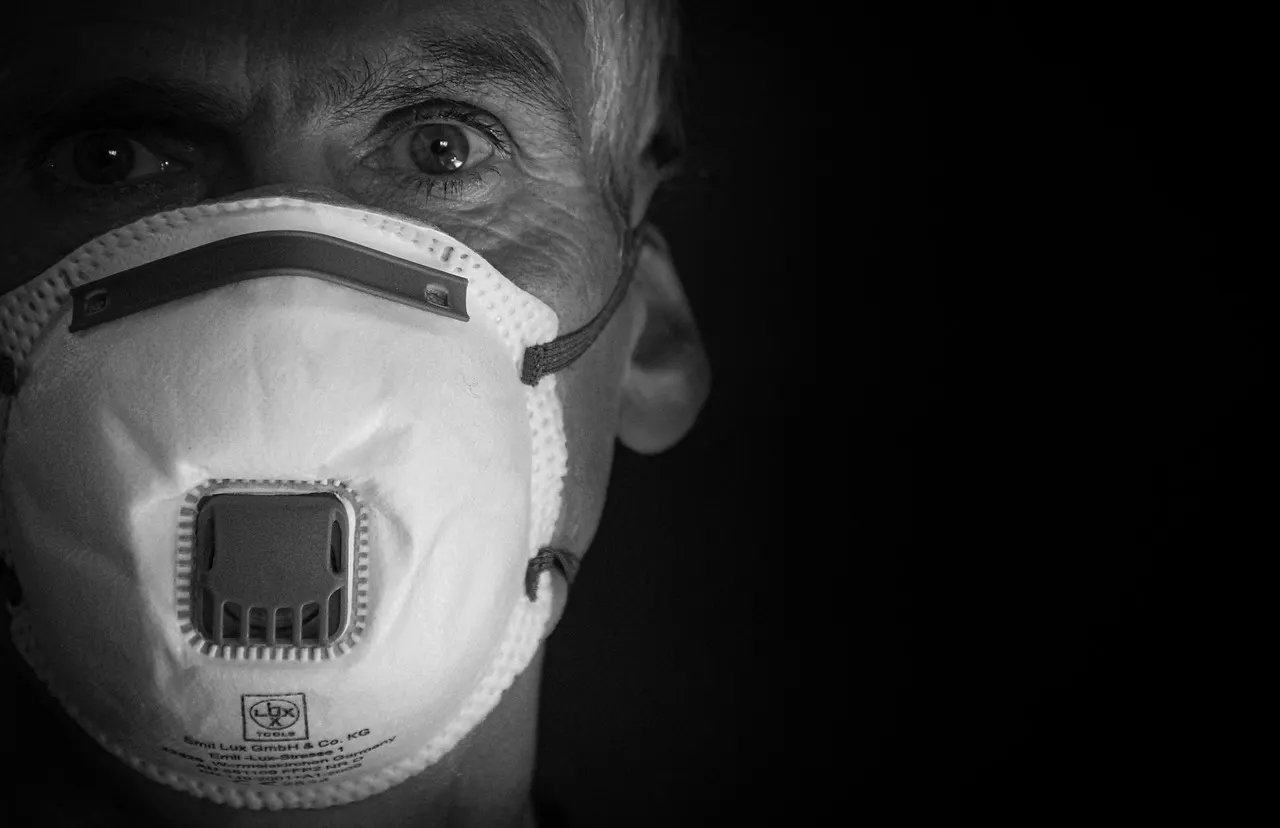
- Use certified respirators: If you must go outdoors when the Air Quality Index (AQI) exceeds 100, wear a properly fitted N95 or P100 respirator. Surgical masks, cloth coverings, and bandanas offer zero protection against PM2.5. When the AQI surpasses 500, respirator use is mandatory for outdoor workers in states like California.
- Deploy HEPA filtration: Keep doors and windows shut. Run a portable air cleaner equipped with a True HEPA filter in the room where you spend the most time. Ensure the device is appropriately sized for the room’s square footage.
- Create a clean air room: Designate a specific room in your home—ideally one without a gas stove or fireplace—as a clean air shelter. Upgrade the HVAC filter in your central air system to a MERV 13 rating, or the highest rating your system can safely accommodate.
Navigating the Insurance Crisis
Even as homeowners face escalating physical threats, the financial safety net is rapidly disintegrating. In states like California and Washington, major insurers have aggressively reduced their exposure to wildfire risk, issuing non-renewals and canceling policies in high-danger zones. While California enforces a mandatory one-year moratorium on insurance non-renewals for homes within the perimeter of a declared wildfire state of emergency, homeowners elsewhere face a precarious market.
Do not assume your standard homeowner's policy will cover total devastation. Review your declarations page immediately. Key actions include:
- Verify your dwelling coverage limit: Ensure the 'Coverage A' (dwelling) limit accurately reflects today's exorbitant construction and labor costs. Underinsurance is a primary reason families cannot rebuild after a total loss.
- Beware of new 'wildfire deductibles': Some insurers are quietly introducing percentage-based deductibles specifically for wildfire damage. Instead of a standard flat deductible (e.g., $1,000), you might face a deductible calculated as 1% to 5% of your home’s total insured value, dramatically increasing your out-of-pocket cost before coverage kicks in.
- Document your assets: Conduct a meticulous video walkthrough of your home and its contents. Store this documentation in the cloud alongside your policy details to expedite claims processing.
The Operational Baseline
The forces driving the 2026 wildfire season—prolonged drought, volatile wind patterns, and extreme heat—are intensifying. The disaster unfolding in Spokane is a blueprint of modern climate reality: infrastructure overwhelmed, air rendered toxic, and thousands displaced in a matter of hours. You cannot control the weather or the direction of the wind, but you can dictate the physical resilience of your home, the robustness of your evacuation plan, and the quality of the air your family breathes. Execute these protocols now. Leverage is built through preparation.
The article shows the pattern. The app trains the response.
Continue in Tikva to turn the insight into a repeated response.
Open TikvaSources and educational notice
This article is educational. It does not provide a medical diagnosis or replace guidance from a qualified health, legal, tax, investment, or financial professional. Decisions about your health or finances should consider your individual circumstances.
- NPR — Evacuation orders and 0% containment data for the Spokane wildfires
- Reuters — 60,000 residents placed under evacuation orders in Spokane County
- Nature Communications — Hospitalization spikes linked to wildfire-specific PM2.5 exposure
- Yale School of Public Health — 11,415 annual U.S. deaths linked to long-term wildfire smoke exposure
- Ready.gov — Emergency Go Bag checklist and 72-hour preparedness guidelines
- CAL FIRE — Defensible space zones and structural hardening requirements
FAQ
What is the difference between a standard cloth mask and an N95 respirator for wildfire smoke?
Wildfire smoke contains fine particulate matter (PM2.5) that measures 2.5 micrometers or smaller. Standard cloth masks, surgical masks, and bandanas do not have an airtight seal and cannot filter out particles this small. A properly fitted N95 or P100 respirator creates a tight seal against the face and is specifically engineered to filter out at least 95% of airborne particles, making it the minimum required protection for outdoor exposure.
How can I improve my indoor air quality during a wildfire smoke event?
Keep all windows and doors securely shut. Designate a specific room as a clean air shelter and run a portable air cleaner equipped with a True HEPA filter. Ensure the air cleaner is appropriately sized for the square footage of the room. If you have central HVAC, upgrade the system's filter to a MERV 13 rating or the highest rating the system can handle, and run the fan continuously to cycle the air through the filter.
What should I do if my home is in the path of a Level 3 evacuation order?
A Level 3 order means 'Leave Now.' There is no time to pack. Grab your pre-assembled emergency Go Bag, ensure you have your physical or cloud-backed-up identification and insurance documents, gather your pets, and immediately leave the area via your pre-determined evacuation route. Do not wait to see if the fire changes direction, and do not attempt to stay and defend your property without professional fire suppression resources.