Key takeaways
- "High protein" claims don't equal healthy: an NIH-cited review found 91% of foods with protein marketing claims were less healthy overall, and 16% of 88 UK high-protein snacks carried as much sugar as protein.
- Run the 10-second check: if sugar grams are close to or higher than protein grams — or protein provides less than 30% of calories — it's dessert with a health halo. Put it back.
- Real examples: Shaken Udder's protein milkshake has 20g of protein and 32g of sugar, and Cheerios Protein adds about 10g of sugar for just 3g more protein than regular Cheerios.
- In a 2025 survey of 458 snack bars, 53% carried a protein claim while 37% were still high in sugar — the average bar held 7g of sugar, 29% of a child's daily limit.
- Protein bars cost about 12p per gram of protein vs. roughly 7p for protein yogurt — and eggs, Greek yogurt, cottage cheese and nuts beat both on price and nutrition.
Are high protein snacks healthy? Only if the numbers on the label back up the claim on the box. Run the 10-second check before you buy: if the grams of sugar are close to or higher than the grams of protein — or protein provides less than 30% of the calories — that's dessert with a health halo. Put it back and get real protein instead.
Protein has officially won the marketing war. "High protein" now sits on cereal, chips, ice cream, toaster pastries and even mashed potatoes, while the global market for protein-fortified foods is projected to reach $100 billion by 2030 and the share of products carrying a protein claim has doubled in the past decade.
Here's what most people get wrong: you probably don't need the extra protein in the first place. Most Americans already meet or exceed the roughly 50g they need daily, and most UK adults hit their reference intake without eating a single protein bar. The real problem isn't that you're short on protein — it's that a growing share of "high protein" foods are ultra-processed products wearing a health halo.
The math behind that halo is simple: protein doesn't cancel out junk. A snack with 10g of protein and 30g of sugar is still dessert with better marketing.
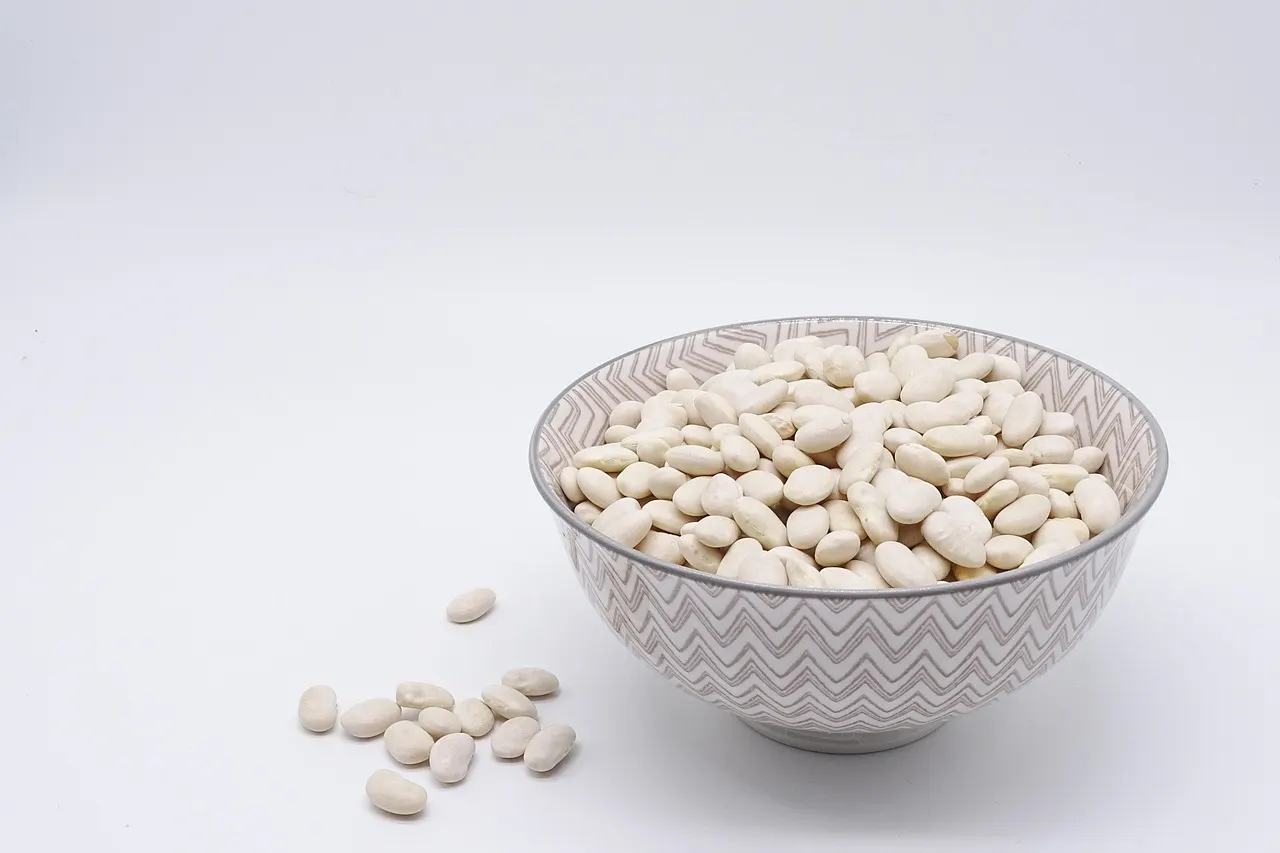
What Is Protein Washing?
Protein washing is a marketing tactic in which brands use "high protein" or "protein-packed" on the front of the package to make a product sound healthier than it is. The word does the selling; the nutrition panel does the hiding.
The numbers on the back often tell a different story. Shaken Udder's chocolate protein milkshake delivers 20g of protein but 32g of sugar in the same bottle. Arla's strawberry protein yogurt has 20g of protein and 12.6g of sugar. In Australia, Muscle Nation's protein cheesecake pairs 20g of protein with about 20g of sugar per serve — a can of soft drink's worth.
The tactic works, and shoppers are catching on. Online searches for "protein washing" jumped more than 486% in the past year, while nutritionists warn the health halo makes consumers assume a product is healthy simply because the front says protein. Cardiologist and professor Dariush Mozaffarian calls "high protein" the new "low fat" — "a marketing ploy, a dubious badge of honour, to sell ultra-processed junk."
The irony is that many whole foods could legally carry the same claim. A single egg delivers about 7g of protein — enough that eggs, meat, fish, tofu and beans would all qualify as "protein-packed" without a single label redesign.
Are High Protein Snacks Actually Healthy?
Not by default — and the evidence says most aren't. An international review cited by the National Institutes of Health found that 91% of foods carrying protein marketing claims were less healthy overall. A 2024 study of the Spanish market classified 90% of protein-claimed products as "less healthy," with about one in four high in free sugar or saturated fat.
A 2026 analysis of 88 high-protein snacks sold across the UK's six biggest supermarkets found nearly 90% exceeded NHS guidance on free sugar, and 16% contained equal or more sugar than protein. Two products packed more than an adult's entire recommended daily sugar allowance into a single serving.
Protein also doesn't do what the packaging implies on its own. As the American Medical Association points out, extra protein only builds muscle when combined with resistance training, and protein eaten beyond what the body uses can be converted to glucose or stored as fat. Most adults already get enough protein from ordinary meals — the quality of the source matters more than the number on the wrapper.
A genuine protein snack earns the label: protein is the main act, not a garnish. Greek yogurt, cottage cheese, eggs, edamame, roasted chickpeas, a handful of nuts or a piece of jerky all deliver real protein alongside other nutrients — no health halo required.
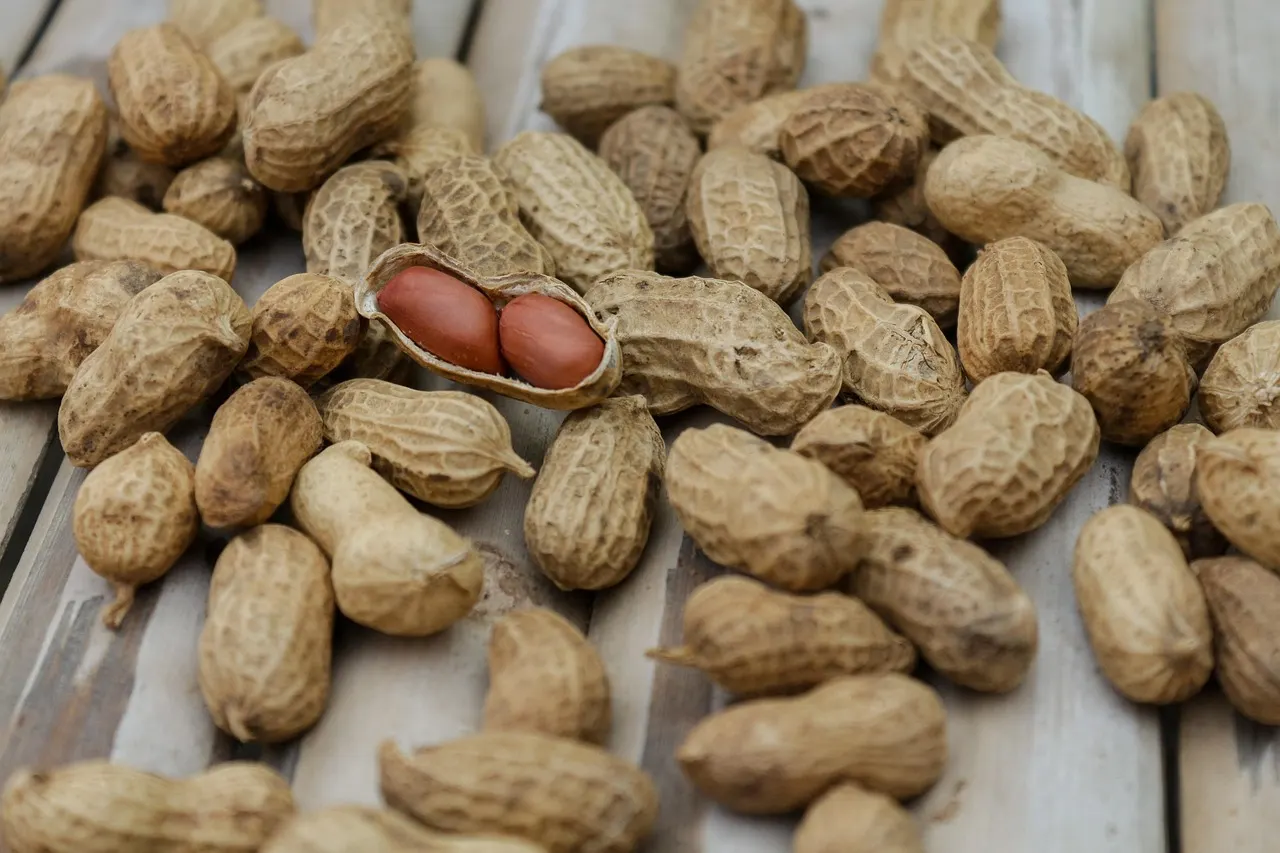
How Much Sugar Is Too Much in a Protein Bar?
The 10-second check has two parts: sugar grams should never come close to protein grams, and protein should provide at least 30% of the calories. Here's the math. Protein and sugar both deliver 4 calories per gram, so a 200-calorie bar needs at least 15g of protein to hit 30% of calories from protein — and its sugar should sit well below that number.
Two failure flags:
- Sugar at or above protein: 20g of protein with 20g of sugar means a candy bar with a bicep on the wrapper. It fails the check.
- Protein under 30% of calories: 10g of protein in a 400-calorie pastry is just 10% of calories from protein. Hard pass.
Benchmarks worth knowing: the NHS recommends adults cap free sugar at 30g a day (about seven teaspoons), the World Health Organization says free sugars should stay under 10% of daily energy, and the American Heart Association sets the added-sugar line at 36g for men and 25g for women. If a single snack eats a third of that budget, it's a treat, not a health food.
This isn't a protein bar problem alone. Action on Salt and Sugar's 2025 survey of 458 snack bars across ten UK supermarkets found 37% were high in sugar and 55% high in saturated fat — while 53% carried a protein claim. The average bar delivered 175 calories and 7g of sugar, about 29% of a child's daily sugar limit in one serving.
Regulators are starting to move. Under the UK's nutrient profiling model, 64% of the bars in that survey would be classed as "less healthy," putting them under restrictions on in-store promotion and pre-9pm TV advertising from January 2026. Chile already requires black warning labels on such products — 68% of the bars surveyed would carry a "high in sugar" warning there.
Is High Protein Cereal Good for You?
Usually the protein bump is small and the sugar spike is big. Cheerios Protein Cookies & Creme packs 8g of protein — only 3g more than regular Cheerios — while adding about 10g of sugar to your bowl. You're paying a premium to trade a simple cereal for a sweetened one.
The pattern repeats in granola and porridge. FUEL10K's chocolate protein porridge sachets deliver 10.9g of protein in a 201g serving prepared with milk, while a 40g serving of regular Quaker oats with milk delivers 15g — more protein, less processing, lower price. A protein-claimed yogurt can hold just 9.4g of protein per 100g, barely ahead of plain 10% fat Greek yogurt at 6.5g.
For context, a product can legally carry a "high protein" claim in the UK when just 20% of its energy comes from protein — a lower bar than most people assume. When a product feels compelled to announce its protein content, check whether the rest of the label earns the attention.
How Do You Know If a Protein Bar Is Healthy?
Flip the package and run these checks in order:
- Sugar vs. protein: Sugar grams should sit clearly below protein grams. Equal or higher? Put it back.
- Protein percent of calories: Protein should provide at least 30% of calories.
- Calories per gram of protein: Protein at 30% of calories means no more than about 13 calories per gram of protein. A 400-calorie pastry with 10g of protein delivers 40 calories per gram.
- Added sugar: Under 5g per serving is the working threshold dietitians cite; closer to zero for a daily staple.
- Ingredients: Real ingredients first — nuts, seeds, oats, dates, milk or whey protein. Long lists of isolates, sweeteners and emulsifiers signal a processed treat, whatever the front says.
And consider price per gram of protein. The 2026 UK analysis found protein bars cost about 12p per gram of protein while protein yogurts delivered the same protein for roughly 7p. Whole foods win on price and nutrition.

What to Do This Week
One lever, applied today: before you buy any "high protein" packaged food, run the 10-second check on the nutrition panel. No sugar-versus-protein comparison, no purchase. If it fails, swap it for a real protein snack — a hard-boiled egg (7g protein), Greek yogurt (15–20g per cup), cottage cheese, edamame or a handful of nuts. They're cheaper per gram of protein than most bars and need no marketing claim to be worth eating.
If you're actively training or trying to build muscle, a practical daily target is 1.6–2.0g of protein per kilogram of body weight — roughly double the minimum for sedentary adults. That's a planning target for meals, not a license to buy protein-fortified treats. And if you're pregnant, managing a medical condition, or on medication (including GLP-1s), check with a clinician before making big changes to your diet.
The article shows the pattern. The app trains the response.
Continue in Tikva to turn the insight into a repeated response.
Open TikvaSources and educational notice
This article is educational. It does not provide a medical diagnosis or replace guidance from a qualified health, legal, tax, investment, or financial professional. Decisions about your health or finances should consider your individual circumstances.
- Action on Salt and Sugar — Snack Bars Report 2025
- The Independent — What is protein washing and are shoppers being fooled by it?
- ConsumerAffairs — When high in protein doesn't automatically mean healthy
- American Medical Association — 7 things patients should know about protein maxxing
- World Health Organization — Guideline: sugars intake for adults and children
- Sustain — Beneath the label: are snack bars really as healthy as they seem?
FAQ
Are high-protein snacks actually healthy?
Not automatically. An NIH-cited international review found 91% of foods with protein marketing claims were less healthy overall, and 16% of 88 UK high-protein snacks contained as much sugar as protein. A snack is healthy when protein is genuinely the main nutrient — not when the front of the box says so. Run the 10-second check before buying.
What is protein washing?
Protein washing is a marketing tactic in which brands use "high protein" or "protein-packed" to make a processed, sugary product look healthy. It works through the health halo effect: one positive attribute makes shoppers assume the whole product is good. Examples include a protein milkshake with 20g of protein and 32g of sugar. The claim earns trust only when the nutrition panel backs it up.
How much sugar is too much in a protein bar?
If sugar grams are close to or higher than protein grams, that's too much — and protein should also provide at least 30% of a bar's calories. For context, the NHS caps free sugar at 30g a day, the WHO recommends under 10% of daily energy, and the American Heart Association sets added-sugar limits of 36g for men and 25g for women.
Is high protein cereal good for you?
Usually not a meaningful upgrade. Cheerios Protein has 8g of protein — just 3g more than regular Cheerios — while adding about 10g of sugar. FUEL10K's protein porridge delivers 10.9g of protein in a serving, less than a bowl of regular oats with milk (15g). Check the sugar column before believing the protein claim.
How do you know if a protein bar is healthy?
Flip it and run the 10-second check: sugar should be clearly below protein, protein should be at least 30% of calories, added sugar should stay under 5g per serving, and real ingredients like nuts or oats should appear first. If the only impressive thing is the front label, skip it.