Key takeaways
- A July 28, 2026, study in the Journal of the American Medical Association links BPS and BPF to the same hormonal disruptions as banned BPA, rendering "BPA-free" labels largely ineffective for consumer safety.
- Researchers analyzed data from over 3,400 adults, finding that high urinary levels of BPS and BPF caused statistically significant alterations in testosterone, estrogen, and thyroid-stimulating hormone (TSH).
- Heating food in plastic containers—even those labeled microwave-safe—accelerates the breakdown of polymer bonds, releasing microplastics that carry concentrated doses of chemical substitutes into food.
- Current FDA regulations do not restrict BPS or BPF, allowing manufacturers to legally market products containing these endocrine disruptors as safe alternatives to BPA.
- Because bisphenols can be metabolized in 24 to 48 hours, switching immediately to glass, stainless steel, or ceramic food storage can quickly reduce the body's chronic chemical burden.
For the better part of two decades, consumers have relied on a two-word promise stamped on plastic water bottles, food storage containers, and baby products: “BPA-free.” It was a regulatory victory. When mounting evidence linked Bisphenol A (BPA) to cardiovascular disease, reproductive issues, and childhood developmental delays, the market and lawmakers pivoted. Manufacturers replaced BPA with chemical cousins—most notably Bisphenol S (BPS) and Bisphenol F (BPF). But according to a landmark peer-reviewed study published on July 28, 2026, in the Journal of the American Medical Association (JAMA), the “BPA-free” label was less a safety guarantee and more a bait-and-switch.
The new JAMA data definitively links BPS and BPF to the same endocrine-disrupting mechanisms that got BPA banned in the first place. By analyzing a massive cross-section of American adults, researchers found that individuals with detectable levels of BPS and BPF in their urine had hormonal disruption profiles statistically mirroring those previously observed in populations exposed to high levels of BPA. The findings fundamentally dismantle the illusion that plastic is chemically inert, particularly when heated, and demand an immediate overhaul of how we store and consume food.
The Endocrine Disruption Shell Game
The chemical industry has long relied on a tactic environmental health scientists refer to as “regrettable substitution.” When regulatory bodies ban a specific chemical compound due to toxicity, manufacturers simply swap it for a structurally similar, unregulated chemical that achieves the same industrial goal. In the case of plastics, the goal is hardness and clarity; in the case of thermal receipt paper and canned food linings, the goal is a stain-resistant finish.
BPA was outlawed in baby bottles and sippy cups by the FDA in 2012 following widespread consumer pressure. Almost overnight, BPS and BPF became the industry standard. However, scientists have long suspected these alternatives were equally problematic. Endocrine disruptors are dangerous because they mimic or block the body’s natural hormones, binding to estrogen and androgen receptors.
"Our findings confirm that structural modifications in BPS and BPF do not mitigate their endocrine activity; they disrupt hormonal pathways with the same affinity as BPA."
The 2026 JAMA study quantified this reality. Analyzing data from over 3,400 adults, researchers measured the presence of three separate bisphenols in participants' urine, alongside a panel of reproductive and thyroid hormones. The results were unequivocal. Participants with high urinary concentrations of BPS and BPF exhibited significant alterations in serum testosterone, estrogen, and thyroid-stimulating hormone (TSH) levels. The mechanism of action was identical to BPA. The human body cannot distinguish between the banned chemical and its replacements.
Leaching, Heat, and the Microplastic Accelerant
While the endocrine disruption is a biological constant, the chemical exposure is heavily exacerbated by how we physically treat our food containers. It has been established since the early 2000s that polycarbonate plastics break down when exposed to heat and ultraviolet light. But recent independent laboratory testing reveals that the leaching rates of BPS and BPF are not just significant—they are alarmingly accelerated.
Consumer Reports, which has conducted extensive independent testing on plastic food packaging over the years, previously found that alternative bisphenols and phthalates migrate into food at concerning rates. Their testing demonstrated that heating food in plastic containers—even those marketed as microwave-safe—causes the polymer bonds to degrade, releasing microplastics and chemical additives directly into the food.
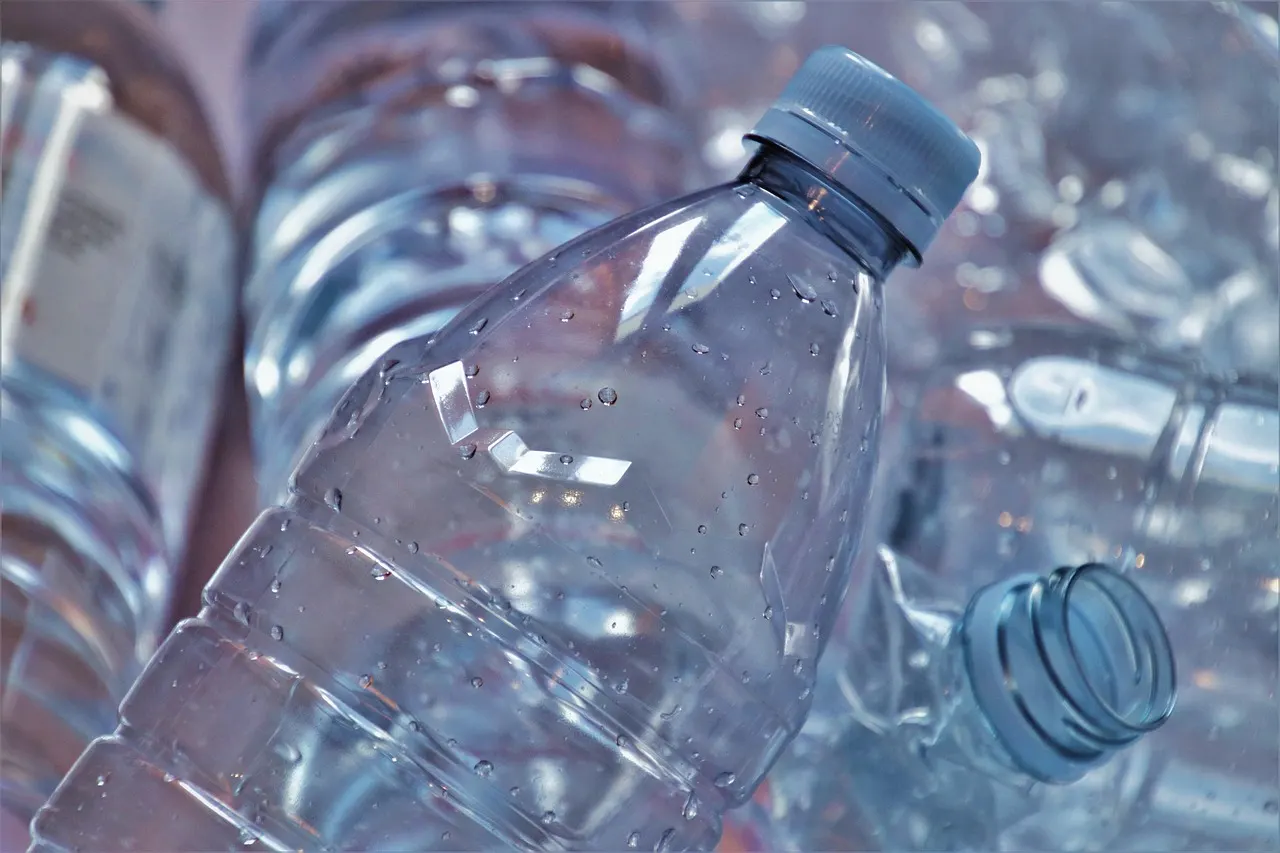
New laboratory models published this year highlight that the release of microplastics themselves may be the primary delivery vehicle for these endocrine disruptors. Microplastics act as microscopic sponges, carrying high concentrations of BPS and BPF on their surfaces. When humans ingest these plastic particles—which accumulate heavily in water stored in plastic bottles exposed to sunlight or heat—the chemicals detach and are absorbed through the intestinal tract. A 2024 study from Columbia University quantified this exposure, finding that the average human ingests a credit card's worth of plastic every week, with a significant portion leaching directly from food storage containers and single-use packaging.

The Regulatory Void and the Burden on Consumers
The Food and Drug Administration (FDA) regulates food-contact substances based largely on toxicity data provided by the chemical manufacturers themselves. Substances are reviewed individually, an approach that environmental health advocates argue completely misses the cumulative, daily exposure realities of modern consumers. Furthermore, the FDA's bans have historically been narrow—focusing on specific applications like infant products—leaving the general food supply saturated with unregulated substitutes.
Under current regulations, a manufacturer can legally label a product “BPA-free” even if it contains high levels of BPS, BPF, or newer, even less-studied variants like Bisphenol AF (BPAF). The JAMA study highlights the severe inadequacy of this labeling system. Consumers purchasing food packaged in polycarbonate or epoxy-lined metal cans are operating under a false assumption of safety.
This regulatory lag places the burden of exposure mitigation entirely on the individual. While public health organizations like the American Academy of Pediatrics (AAP) have been sounding the alarm on food additives and plasticizers for years, the new JAMA data forces a more immediate recalibration of daily habits.
Redefining Food Storage: What the Data Demands
The response to this data is not merely to seek out new plastics, but to abandon plastic as a primary medium for storing and heating food. Glass, stainless steel, and ceramics are the only materials that consistently test as chemically inert under high-heat conditions. Transitioning away from plastic food storage is no longer an extreme environmentalist fringe movement; it is a necessary intervention based on clear, modern endocrinological data.
The goal is to reduce the total body burden of endocrine-disrupting chemicals. The human body can metabolize and excrete bisphenols relatively quickly—often within 24 to 48 hours. However, constant, daily exposure from multiple sources means that the body never reaches a baseline zero exposure, maintaining a chronic state of hormonal interference. Reducing that constant drip requires aggressive, immediate changes in the kitchen.
The article shows the pattern. The app trains the response.
Continue in Tikva to turn the insight into a repeated response.
Open TikvaSources and educational notice
This article is educational. It does not provide a medical diagnosis or replace guidance from a qualified health, legal, tax, investment, or financial professional. Decisions about your health or finances should consider your individual circumstances.
- Journal of the American Medical Association (JAMA) — Hormonal disruption links between BPA alternatives and human endocrine systems (2026)
- Consumer Reports — Testing data on leaching of BPA alternatives from food packaging
- U.S. Food and Drug Administration (FDA) — Historical context on BPA bans and current regulations on food-contact substances
- Endocrine Society — Scientific overview of Bisphenol A and its analogues as endocrine-disrupting chemicals
FAQ
Are BPA-free plastics actually safe?
No. According to the July 2026 JAMA study, most BPA-free plastics contain BPS or BPF. These chemical substitutes bind to the exact same estrogen and thyroid receptors in the human body as BPA, causing identical hormonal disruptions and reproductive issues.
Is it safe to microwave food in plastic containers?
No. Even plastics labeled "microwave-safe" are structurally compromised by heat. High temperatures break down the polymer bonds in the plastic, causing BPS, BPF, and microplastics to leach directly into your food. Always transfer food to glass or ceramic bowls before microwaving.
How can I avoid endocrine-disrupting chemicals in my food?
The most effective way to reduce your exposure is to stop using plastic for food storage and heating. Transition entirely to glass, stainless steel, or ceramic containers. Additionally, reduce your consumption of foods and beverages packaged in epoxy-lined metal cans, which frequently utilize bisphenol alternatives.
How long do BPS and BPF stay in the body?
The human body can metabolize and excrete bisphenols like BPS and BPF relatively quickly, usually within 24 to 48 hours. However, because we are constantly exposed to these chemicals through daily packaging and food storage, our systems never fully clear them, resulting in a chronic state of exposure.