Key takeaways
- In a 24-week randomized trial (Kobe University, 2025), CGM users lost 1.8 kg while the diet-and-exercise-only control group lost 2.2 kg — no significant weight-loss difference.
- A 2025 npj Digital Medicine study of 944 CGM app users found an average 3.3 lb loss over 33 days, but it had no control group, relied on self-reported weight, and was funded by the app maker.
- For people without diabetes, blood glucose should be below 140 mg/dL (7.8 mmol/L) two hours after eating, with time in range above 90% considered normal.
- A 2022 Sports Medicine meta-analysis found short light-intensity walks lower postprandial glucose — and outperform standing for post-meal glucose lowering.
- Consumer CGM hardware runs about $49–$99 per month, while coaching platforms push past $200 — the four free habits cost nothing.
Do glucose monitors help you lose weight? The best randomized evidence says no added benefit beyond diet and exercise: in a 24-week trial, CGM users lost 1.8 kg while the diet-and-exercise-only group lost 2.2 kg — statistically a dead heat. What a CGM does prove is that feedback changes behavior, and four free habits capture most of that effect.
A $200-a-month sensor is the most argued-about biohack in weight loss right now, and the marketing makes it sound like a metabolic X-ray. The trials make a quieter point: the device doesn't burn fat. It gives you feedback, and feedback only matters when it changes what you eat, when you eat, and how much you move.
That's where most people go wrong. They buy the data expecting the data to produce the loss. The research shows the value sits entirely in the behavior change the feedback triggers — and behavior change is free to start today.
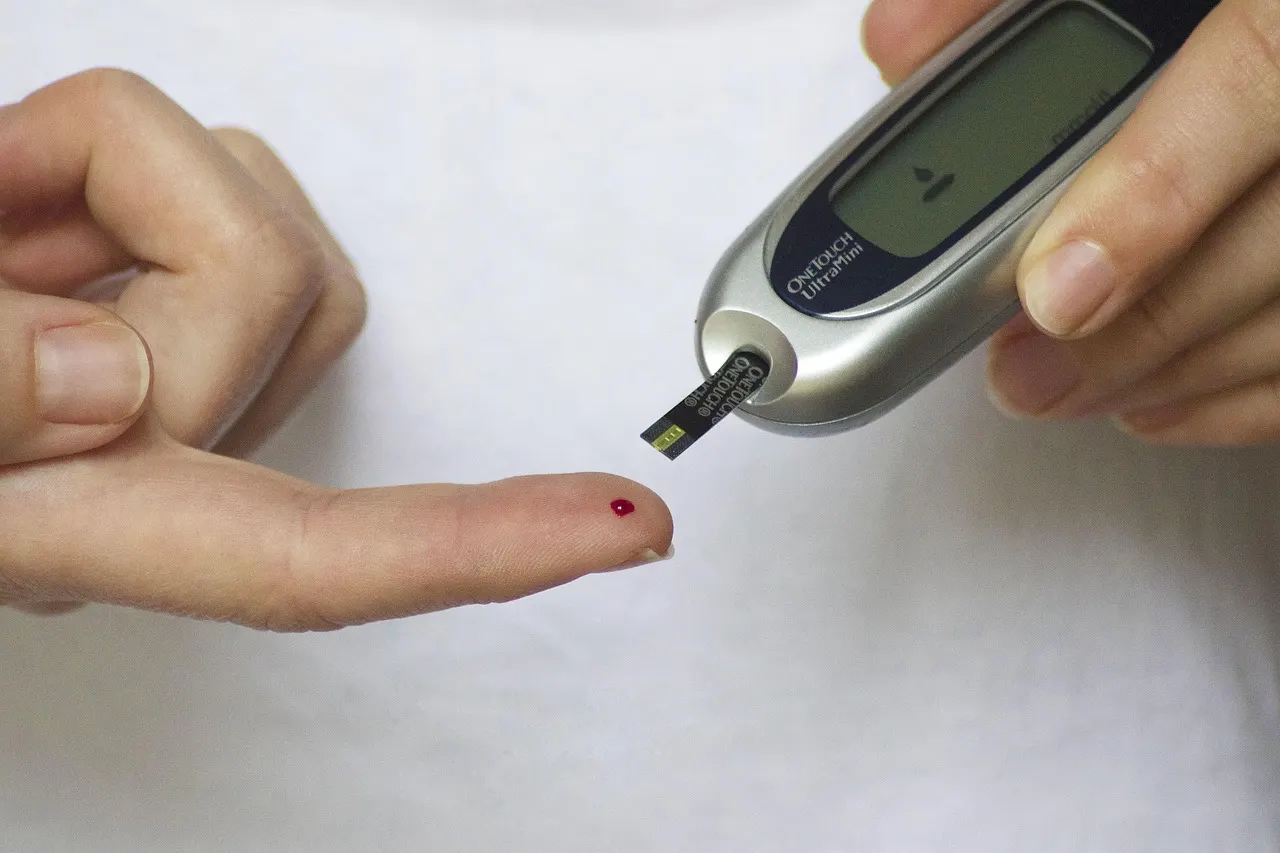
Do Glucose Monitors Help You Lose Weight?
The closest thing to a head-to-head test is a 24-week randomized trial from Kobe University, published in Obesity Research & Clinical Practice in 2025. Researchers randomized 40 overweight adults with prediabetes or mild type 2 diabetes into two groups. Both followed the same dietitian-guided plan (about 25 kcal per kg of body weight) and the same exercise prescription (150 minutes per week). One group also wore an intermittently scanned CGM for all 24 weeks.
The weight result was unambiguous: the CGM group lost 1.8 kg, the control group lost 2.2 kg, and the difference was not statistically significant. The CGM group even started heavier (mean BMI 35.2 versus 31.6) and still matched the controls. Where the sensor did show an effect was glucose stability: variability improved by 0.9 percentage points in the CGM group while worsening by 2.9 points in controls.
One signal explains how the device works. The more often participants scanned their sensor, the more protein they ate and the less time they spent above their glucose range. Wearing the device didn't cause the change — the attention it generated did.
Caveats matter: this is a pilot with 40 people, studying people with prediabetes or mild diabetes rather than the general wellness crowd. But it's the best controlled comparison we have, and it's the finding every CGM marketing page quietly skips.
Does Wearing a CGM Make You Lose Weight Even Without Diabetes?
Here the evidence comes from the real world rather than the lab, and it looks better — until you read the methods. A 2025 study in npj Digital Medicine tracked 944 people (83% with normal glucose) using an AI-supported CGM app built by January AI, the company that sells the product. Users logged food and activity during 14 days of sensor wear, then received personalized recommendations.
On average they lost 3.3 lb over 33 days; people with prediabetes and highly engaged "power users" lost about 4 lb, and healthy users' time in range rose from 74.7% to 85.5%. Those numbers get quoted constantly. What gets left out: there was no control group, weight was self-reported, users paid to join, the study was funded by the app maker, and the authors caution that some of the improvement could represent a placebo effect.
A 2025 systematic review and meta-analysis in Diabetes Research & Clinical Practice (21 trials, 1,488 adults) fills in the mechanism. CGM consistently reduced total energy intake and the share of calories from carbohydrates compared with people's own baselines — but not compared with routine care — and it did not change physical activity at all. In plain terms: a CGM nudges people to eat less and choose more protein and fiber. It doesn't make anyone move more, and it doesn't beat good coaching on its own.
What Should Your Blood Sugar Be 2 Hours After Eating?
For a person without diabetes, blood glucose should be below 140 mg/dL (7.8 mmol/L) two hours after a meal, and ideally back close to the pre-meal baseline. That 140 cutoff is the clinical line for impaired glucose tolerance — cross it regularly and it's a reason to see a clinician, not to buy a sensor. Across the day, time in range between 70 and 180 mg/dL above 90% is considered normal for people without diabetes.
Why does the 2-hour number matter for weight? Repeated large glucose and insulin responses after meals produce crashes, cravings, and hunger an hour or two later. Flattening the curve keeps you out of the hunger loop that makes a deficit miserable — and the tools that flatten it are the four habits below.

The 4 Free 'CGM' Habits That Do the Same Job
A sensor mainly answers three questions: how much a meal spikes your glucose, how fast you come back down, and what movement does to the curve. You can act on all three without wearing anything.
1. Eat protein first
Randomized crossover trials by Shukla and colleagues at Weill Cornell show that when the carbohydrate portion of a meal is eaten last — after protein, vegetables, and fat — post-meal glucose and insulin responses are lower than when the identical meal is eaten carb-first. In a deficit, aim for roughly 1.6–2.2 g of protein per kg of body weight per day (about 0.7–1 g per lb), which protects muscle and satiety.
2. Put vegetables before carbohydrates
Food order is the same trick with a different lever: fiber and water first slow gastric emptying and flatten the glucose curve. Build the plate as protein, then vegetables, then the starch, and eat in that order. It costs nothing, works on every meal, and reproduces the most common change CGM users report making.
3. Walk after your meal
A 2022 meta-analysis in Sports Medicine found that breaking up sitting with short, light-intensity walking reduces postprandial glucose — and that walking outperformed standing for post-meal glucose lowering. Muscle contraction clears glucose through an insulin-independent pathway, so a 10–15 minute walk within the hour after your biggest meal shaves the top off the curve. It is the highest-leverage free habit in this article.
4. Eat on a steady schedule
Consistent meal times, no grazing, and a real gap between your last meal and bed. The January app studied above recommended finishing food about three hours before bedtime, and its users' last-meal-to-sleep gap moved from 2.80 to 3.06 hours while glucose stability improved. Constant snacking keeps insulin elevated; steady, spaced meals let glucose return to baseline between eating occasions.

Is a CGM Worth It for Weight Loss?
Price is the honest first question. Over-the-counter consumer sensors (Abbott Lingo, Dexcom Stelo) run roughly $49–$99 per month for hardware; platforms that layer on AI, coaching, and apps push the total toward $200 a month or more. Insurance generally won't cover it for people without diabetes, because CGMs aren't cleared by the FDA as weight-loss devices for healthy individuals.
Who it can genuinely help: people with prediabetes who don't know they have it, people who respond to data and logging, and anyone whose clinician wants glucose data. Who should skip it: anyone with a history of disordered eating or obsessive tracking — constant glucose readings can feed food anxiety and unnecessary restriction.
The honest verdict: for most people, the four habits above capture most of the benefit at none of the cost. If you do try a sensor, treat it as a two-to-four-week learning tool, not a permanent subscription. Rent the mirror, take the notes, and hand it back.
What to Do This Week
- Reorder one meal a day: protein and vegetables first, the starch last.
- Walk 10–15 minutes within the hour after your largest meal, on at least three days.
- Set a schedule: three or four meals, no grazing, last food about three hours before bed.
- Run a sensible deficit of about 300–500 kcal per day — never below roughly 1,200 kcal — and expect about 0.5–1% of body weight per week (around 1–2 lb for most adults). A 500-kcal deficit predicts about a pound a week on paper; real-world rates run a little slower as your body adapts, and that slowdown is normal, not a reason to eat less.
- If the scale stalls for two weeks, add 2,000–3,000 steps a day before cutting more food, and check your sleep: fewer than seven hours raises ghrelin and hunger.
If you have a medical condition, are pregnant, or take medication (including GLP-1s), check with a clinician before making big changes to your diet, activity, or glucose monitoring.
The verdict is simpler than the marketing: fast means efficient, never reckless. The fastest honest path is the one you can still be following in a year — and none of it requires a subscription.
The article shows the pattern. The app trains the response.
Continue in Tikva to turn the insight into a repeated response.
Open TikvaSources and educational notice
This article is educational. It does not provide a medical diagnosis or replace guidance from a qualified health, legal, tax, investment, or financial professional. Decisions about your health or finances should consider your individual circumstances.
- Obesity Research & Clinical Practice — 24-week randomized trial of CGM plus diet and exercise vs diet and exercise alone (1.8 kg vs 2.2 kg)
- PubMed — record of the randomized trial of intermittently scanned CGM and body weight
- npj Digital Medicine — real-world cohort of 944 CGM app users, 3.3 lb average loss, no control group
- Diabetes Research & Clinical Practice — meta-analysis of CGM effects on diet and physical activity (21 trials, 1,488 adults)
FAQ
Can a continuous glucose monitor help you lose weight?
Not on its own. In a 24-week randomized trial, CGM users lost 1.8 kg versus 2.2 kg with diet and exercise alone — no significant difference. CGM helps only through behavior change: people who use the feedback to eat less, eat more protein, and move more see results.
Does wearing a CGM make you lose weight even without diabetes?
It can support weight loss, but the evidence is observational. A 2025 study of 944 users (83% with normal glucose) found an average 3.3 lb loss over 33 days, with no control group. Engagement predicted results: people who logged more lost more.
What should your blood sugar be 2 hours after eating?
Below 140 mg/dL (7.8 mmol/L) for a person without diabetes, ideally near your pre-meal baseline. That figure is the clinical cutoff for impaired glucose tolerance. Daily time in range (70–180 mg/dL) above 90% is considered normal without diabetes.
Does walking after a meal really lower blood sugar?
Yes. A 2022 Sports Medicine meta-analysis found short, light-intensity walks after eating reduce postprandial glucose, and walking beats standing for post-meal glucose lowering. A 10–15 minute walk within the hour after your biggest meal is the practical dose.
How much does a CGM cost without insurance?
Roughly $49–$99 per month for over-the-counter sensor hardware (Abbott Lingo, Dexcom Stelo), and $200 or more per month once AI coaching, apps, and support are added. Insurance rarely covers CGMs for weight loss in people without diabetes.