Key takeaways
- Read the article, then choose one concrete next action.
- This content is educational and does not replace qualified medical, legal, or financial advice.
When someone drops 30 pounds on Wegovy, the applause tends to drown out a question that matters more than the number on the scale: what, exactly, came off? A wave of 2026 research has sharpened the answer, and it is quietly rewriting the GLP-1 story around tissue you want to keep.
Through June and July, three bodies of work landed within weeks of each other: a Stanford study showing an experimental drug can restore muscle repair during GLP-1 weight loss; fresh body-composition data in Cell Reports Medicine; and a cluster of findings from the American Diabetes Association's 86th Scientific Sessions in Minneapolis, headlined by the BELIEVE trial published in Nature Medicine. Together they do two things. They put hard numbers on the lean tissue these drugs shed alongside fat. And they point to a fix that does not require waiting on a new pill — lift something heavy, and eat enough protein.
How much lean mass is really coming off
Read the number in one breath: the American Diabetes Association places the lean-mass share of GLP-1 weight loss at 15–40%; the STEP 1 body-composition analysis sits near the top of that band at roughly 39%; and the often-quoted 25% is simply the lower-bound estimate. The figures are not in conflict. They trace a range that runs from "manageable" to "meaningful," depending on the drug, the dose, and the person.
A 2024 perspective in Circulation, "Muscle Mass and Glucagon-Like Peptide-1 Receptor Agonists," put the stakes plainly: semaglutide has been linked to lean-mass losses of up to 40% of total weight lost, and liraglutide up to 60%. But lean mass is not a synonym for muscle, and the precision matters. Lean body mass is the bucket a DXA scan labels as everything that is not fat — skeletal muscle, yes, but also water, glycogen, organs, and connective tissue. When a study says 30% of lost weight was lean mass, it does not mean a third of it was bicep. It means a third came from the non-fat compartment, of which muscle is the largest and most consequential part.
That distinction is exactly why the headline number keeps moving. Lose five pounds of water in the first month and the lean-mass percentage spikes; hold steady on protein and it falls. Most of the loss is not the drug directly attacking muscle — it is the indirect arithmetic of eating far less, including less protein, while the body lacks a strong reason to keep tissue it is not being asked to use. The honest takeaway is not a single percentage. It is a band — 15 to 40 cents of every pound lost is lean tissue — and where you land inside it is partly under your control.
The scale of the exposure sharpens the point. Roughly one in eight U.S. adults has now used a GLP-1 medicine, per KFF survey data. Most of them will never see a body-composition scan. They will watch the scale and assume the loss is all fat, when a meaningful slice is the tissue that determines whether they keep the weight off and stay functional on the other side.
Why this matters more than the scale suggests
Lean tissue earns its keep. Skeletal muscle is the body's largest sink for blood sugar, a primary determinant of resting metabolic rate, and the difference between getting up from the floor unaided at 75 and not. When weight loss carves into it faster than it should, three things slip: metabolism drops more than the scale predicts, insulin sensitivity improves less than the fat loss would suggest, and physical strength erodes along the markers clinicians actually track — grip strength, chair-rise time, balance.
That last point is not theoretical. Findings presented at ENDO 2025 by researcher Kristen Haines and colleagues flagged that older adults and women are disproportionately likely to lose muscle on semaglutide — precisely the groups for whom strength is a survival asset. A review in Diabetes, Obesity and Metabolism reached the same conclusion across trials, tying the lean-mass decline to weaker glucose disposal and reduced muscle strength. The Circulation perspective extended the concern to the heart-failure clinic, where patients need every gram of muscle they can hold.
In other words, the question is not whether GLP-1s work. They work spectacularly, and their cardiovascular and metabolic benefits are real. The question is whether the composition of the loss — not just its size — leaves the person stronger or more fragile when the prescription ends.
The contrarian study
It is only fair to give the skepticism its full due. A 2026 study in Cell Reports Medicine, summarized by UC Davis researchers, concluded that weight loss with GLP-1 medicines "does not result in a disproportionate loss of muscle mass or function" in obese mice and humans. In the human arm, 12 weeks of semaglutide produced a split of roughly 70% fat to 30% lean — squarely in the lower half of the ADA's band.
This is the honest counterweight, and it deserves to be heard. It does not claim lean mass is untouched. It claims the loss is roughly proportional to what you would see from any deliberate calorie deficit — the same ~25% lean share that turns up in ordinary dieting. Proportional, though, is not the same as optimal, and "no worse than dieting" is a low bar for a drug this potent and this widely used. The Cell Reports finding narrows the ceiling of the worry; it does not remove it. Either way, the 30% of weight that came off as lean tissue is still gone unless you did something to keep it.
The drug pipeline that wants to fix it
Pharma noticed. The cleanest answer so far is BELIEVE, a Phase 2b human trial published in Nature Medicine that paired semaglutide with bimagrumab, an antibody that releases a brake on muscle growth. The contrast was stark: semaglutide alone trimmed lean mass by about 7.4%, bimagrumab alone actually added about 2.5%, and the combination held lean-mass loss to roughly 2.6% while delivering greater fat loss than either drug on its own. In that combination, roughly 90% of the weight lost came from fat.
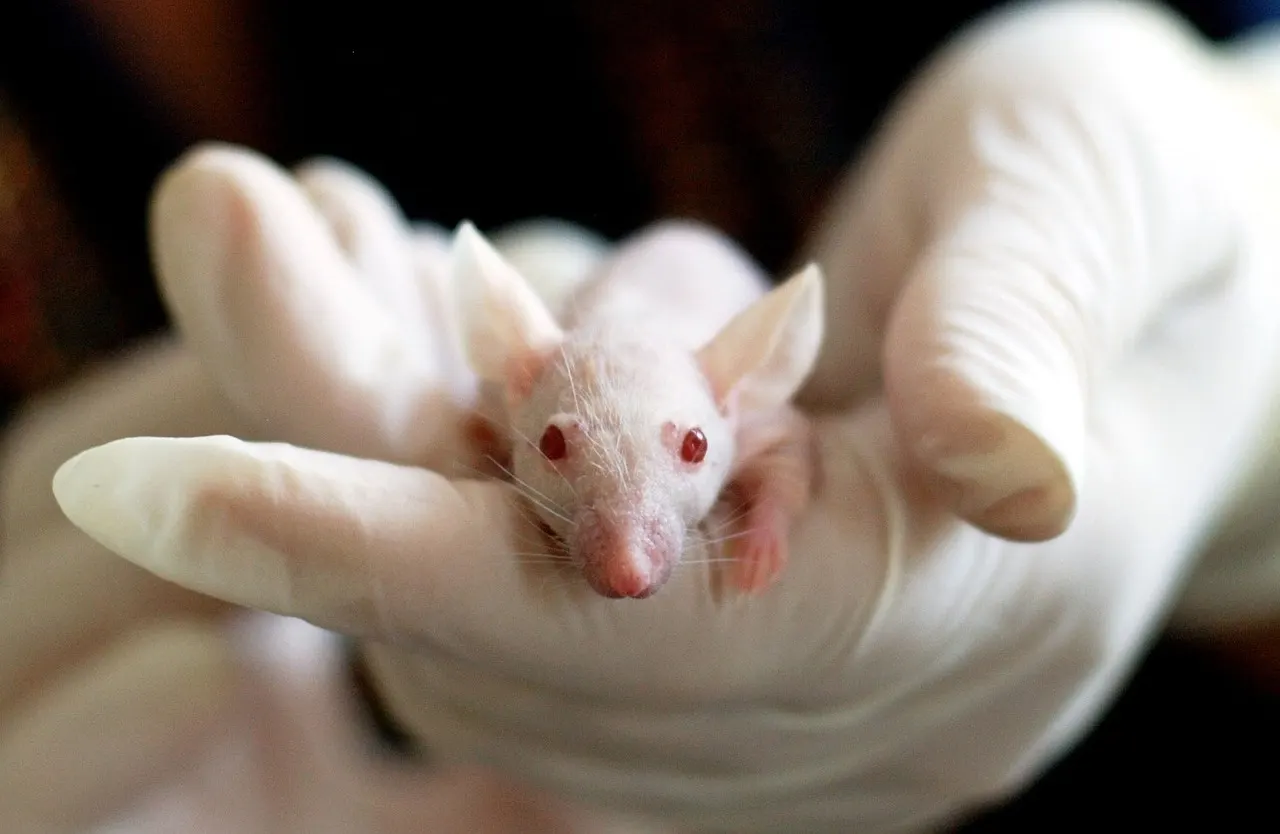
Crucially, BELIEVE is a human trial — real patients, DXA scans, a published primary endpoint in a major journal. The latest Stanford work, published in PNAS by Helen Blau's lab, is not. The study, "15-PGDH inhibition promotes muscle repair and strength recovery during GLP-1 receptor agonist-induced weight loss," showed that a 15-PGDH inhibitor helped mice regenerate muscle and recover force during GLP-1 treatment — and did so where myostatin inhibitors alone had failed. The compound is already in clinical trials for age-related muscle loss. But it has not yet been shown to do the same thing in people taking Ozempic or Wegovy, and what works in a mouse often does not survive the trip to a human. Treat it as a promising lead, not a recommendation.
Between those two sits a third approach: anti-myostatin antibodies like trevogrumab, which in early data prevented on the order of half of the lean-mass loss seen with semaglutide. The common thread is that the field has decided lean mass is a problem worth solving with drugs — not because lifestyle has failed, but because millions of people on these medicines will never pick up a barbell. For everyone else, the intervention that works today is already on the shelf.
The fix you can start Monday
You do not need to wait for any of it. The evidence for what preserves lean mass on a GLP-1 is older, cheaper, and more durable than the pipeline. Clinicians at Mass General Brigham summarize it in a sentence: combining a high-protein diet with consistent exercise gives patients the greatest benefit in preserving bone and muscle during treatment. The ENDO 2025 protein data landed on the same side — eating more protein measurably protected muscle, especially in the older adults and women most at risk.
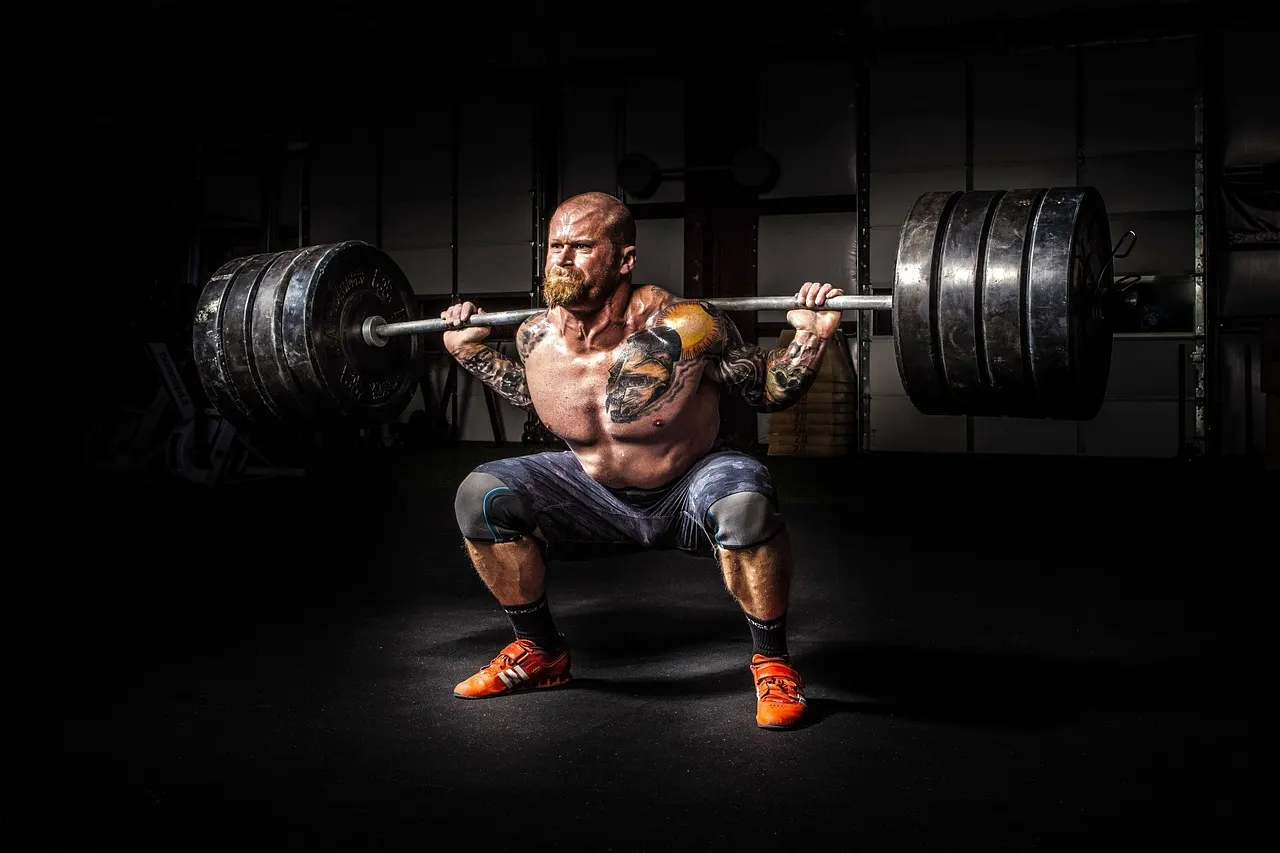
Translated into a week, the prescription looks like this. Target roughly 1.2 to 1.6 grams of protein per kilogram of body weight per day — meaningfully above the RDA, and easier than it sounds with Greek yogurt, eggs, fish, poultry, lentils, or a scoop of whey. Add progressive resistance training two to three times a week: squats, hinges, pushes, and pulls, with weight that climbs as you get stronger. Walking and aerobic work protect the heart; only loaded, challenging movement signals the body that muscle is still worth maintaining. Because GLP-1s blunt appetite, the protein has to be intentional — scheduled into the day, not left to hunger that no longer shows up.
Then measure, because what gets measured gets defended. Ask your clinician for a baseline body-composition scan — a DXA if it is available, a bioimpedance scale as a cheaper proxy — and repeat it every few months. If your strength is climbing in the gym and your lean number is holding while the scale drops, the drug is doing what you want. If the scale is falling and your lifts are falling with it, the ratio has tipped and the protein or the training needs to move first.
The bottom line
Up to 40% of the weight lost on a GLP-1 can be lean tissue, and the real number for any given person sits somewhere in the ADA's 15–40% band, with the 39% STEP 1 figure as the cautionary ceiling and 25% as the optimistic floor. The fix is not exotic. Eat enough protein to tell your body that muscle is still needed, and load that muscle often enough to make the signal stick. The drugs are remarkable at removing fat. The work of keeping your strength is still yours — and for now the most reliable part of the whole regimen is the part you can start today.
The article shows the pattern. The app trains the response.
Continue in Tikva to turn the insight into a repeated response.
Open TikvaSources and educational notice
This article is educational. It does not provide a medical diagnosis or replace guidance from a qualified health, legal, tax, investment, or financial professional. Decisions about your health or finances should consider your individual circumstances.