Key takeaways
- A July 30, 2026, study by UNC-Chapel Hill researchers analyzing 108 prebiotic sodas found an average of 5g of sugar perfectly offset by 5g of fiber per 12-ounce can.
- Lead author Carlos R. Soto Díaz warns that the fiber dose is too low for meaningful gut benefits, while the sugar load is completely unnecessary for a wellness product.
- Brand examples reflect the trend: Olipop contains 6-9g of fiber and 2-5g of sugar, while PepsiCo-owned Poppi typically contains just 2g of fiber against 5g of sugar per can.
- U.S. sales of prebiotic sodas skyrocketed 2,256% between 2022 and 2025, pushing the market past $476 million driven by 'health halo' marketing claims.
- Getting the FDA-recommended 28g of daily fiber solely from these sodas would require consuming 5-6 cans, simultaneously ingesting up to 30g of added sugar.
On July 30, 2026, a new nutritional analysis published in Nutrients dropped a wrench into the engine of the fastest-growing beverage category in the United States. Conducted by researchers at the University of North Carolina at Chapel Hill, the study analyzed 108 prebiotic sodas launched in the U.S. between 2021 and 2025 using the Mintel Global New Products Database. The researchers found that these canned gut-health elixirs contain an average of 5 grams of sugar offset by exactly 5 grams of fiber per 12-ounce can.
It’s time to dismantle the health halo hovering over the prebiotic soda aisle. While these beverages are heavily marketed as functional shortcuts to a thriving microbiome, the new data reveals a staggering nutritional compromise: you cannot buy gut health in a can if you are simultaneously swallowing an equal dose of added sugar. Ultimately, the study suggests that the average prebiotic soda is a lightly sweetened sparkling water draped in wellness branding, rather than a legitimate medical-grade intervention for your digestive tract.
The Numbers Behind the Illusion
For context, the U.S. Food and Drug Administration recommends consuming 28 grams of fiber per day on a 2,000-calorie diet. A prebiotic soda touting 5 grams of fiber technically provides nearly 18% of that target. But fiber does not operate in a vacuum. The UNC researchers, led by Carlos R. Soto Díaz, MPH, a PhD candidate in the Department of Nutrition, alongside Lindsey Smith Taillie, PhD, a professor at UNC-Chapel Hill, discovered that the sugar accompanying that fiber entirely undermines the premise of the 'health' claim.
Soto Díaz and Taillie’s analysis positioned these sodas on a spectrum against other popular beverages. They ranked lower in calories and sugar than traditional colas and fruit drinks, which typically pack 35 to 40 grams of sugar per can. However, they ranked significantly higher in sugar than diet sodas, flavored sparkling waters, or plain kombucha.
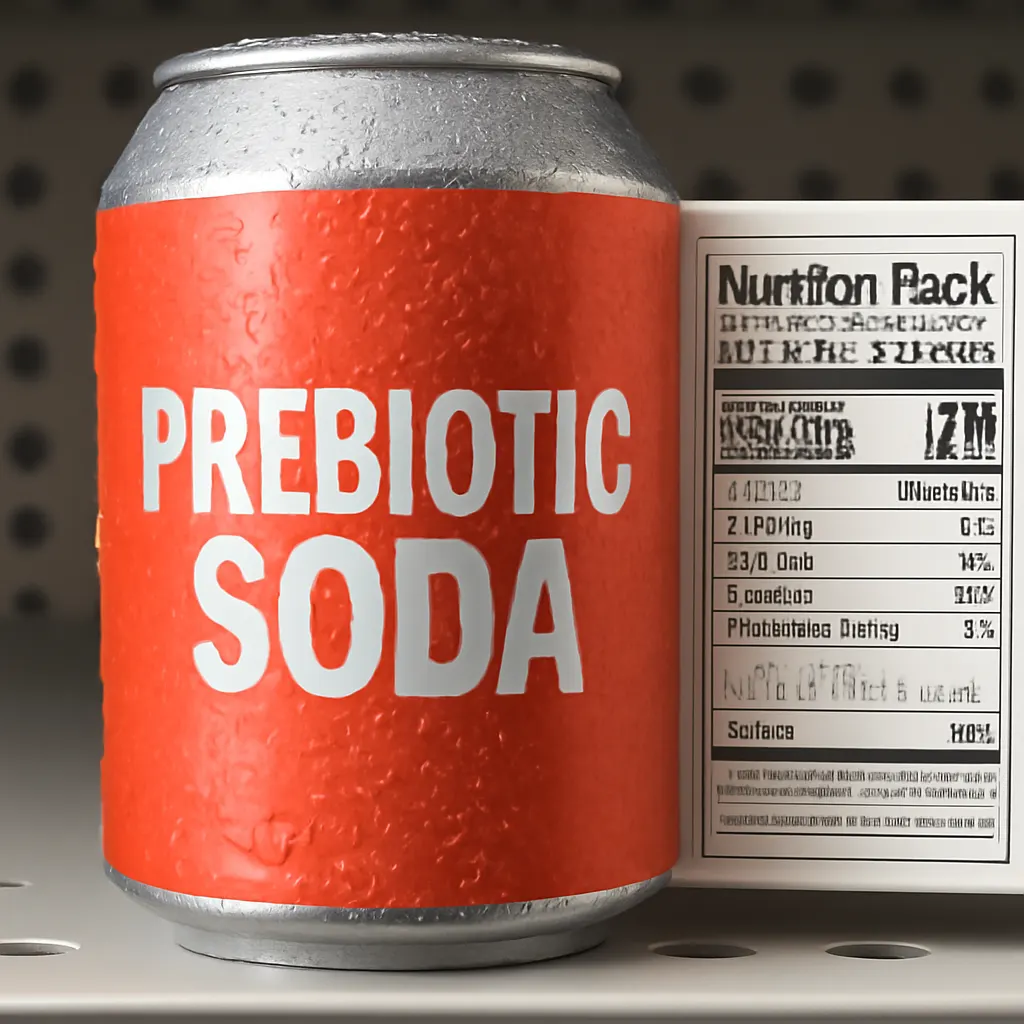
“Five grams of sugar isn’t inherently toxic,” Soto Díaz noted in the study's accompanying press release. “But consumers are buying these drinks specifically because they believe they are making a medically sound choice for their gut bacteria. The reality is that the average fiber dose is too low to offer a meaningful prebiotic benefit, and the sugar load is completely unnecessary for a product marketed as a wellness tool.”
The core problem is metabolic. When you consume 5 grams of added sugar alongside 5 grams of fiber, the sugar enters your bloodstream, triggering an insulin response that can foster inflammation and feed the exact pathogenic bacteria the prebiotics are supposed to suppress. The fiber is effectively spent neutralizing the damage of the sugar in the same can, rendering the net microbiome benefit functionally negligible.
The Brands Driving the Phenomenon
To understand exactly how this 1:1 ratio manifests on the shelf, look no further than the two titans currently dominating the functional beverage space: Olipop and Poppi.
Olipop, which was valued at a staggering $1.85 billion in late 2024 after generating $400 million in annual revenue, formulates its sodas with an 'OLISMART' proprietary fiber blend. A standard 12-ounce can of Olipop delivers between 6 and 9 grams of dietary fiber against 2 to 5 grams of sugar, depending on the flavor. While Olipop’s fiber-to-sugar ratio leans slightly heavier on the fiber side, it still relies on added sweeteners—like cassava root syrup—to make the beverage palatable.
Poppi, the rival brand acquired by PepsiCo in early 2025 for $1.95 billion, presents a more stark representation of the study’s findings. A 12-ounce can of Poppi Apple Juice typically contains 5 grams of sugar and just 2 grams of fiber. U.S. retail sales of these functional sodas skyrocketed 2,256% between 2022 and 2025, driven largely by aggressive influencer marketing campaigns that promise clear skin, flat stomachs, and perfect digestion.
But the UNC study clarifies that the marketing engine is vastly outpacing the nutritional science. The beverage industry refers to these drinks as 'functional,' a regulatory gray area allowing companies to imply medical benefits without meeting the stringent clinical thresholds required for pharmaceuticals. Taillie emphasized that without strict regulatory guardrails, the 'prebiotic' label functions more as a marketing buzzword than a guarantee of gut health.
The Daily Fiber Math
Let’s do the math on what it takes to hit your daily fiber target using these beverages. If your goal is the FDA’s recommended 28 grams of fiber, you would need to consume roughly five to six cans of prebiotic soda per day. In doing so, you would also ingest 25 to 30 grams of added sugar—essentially drinking a can of traditional Coca-Cola in total sugar, just spread out across six heavily marketed 'wellness' beverages.
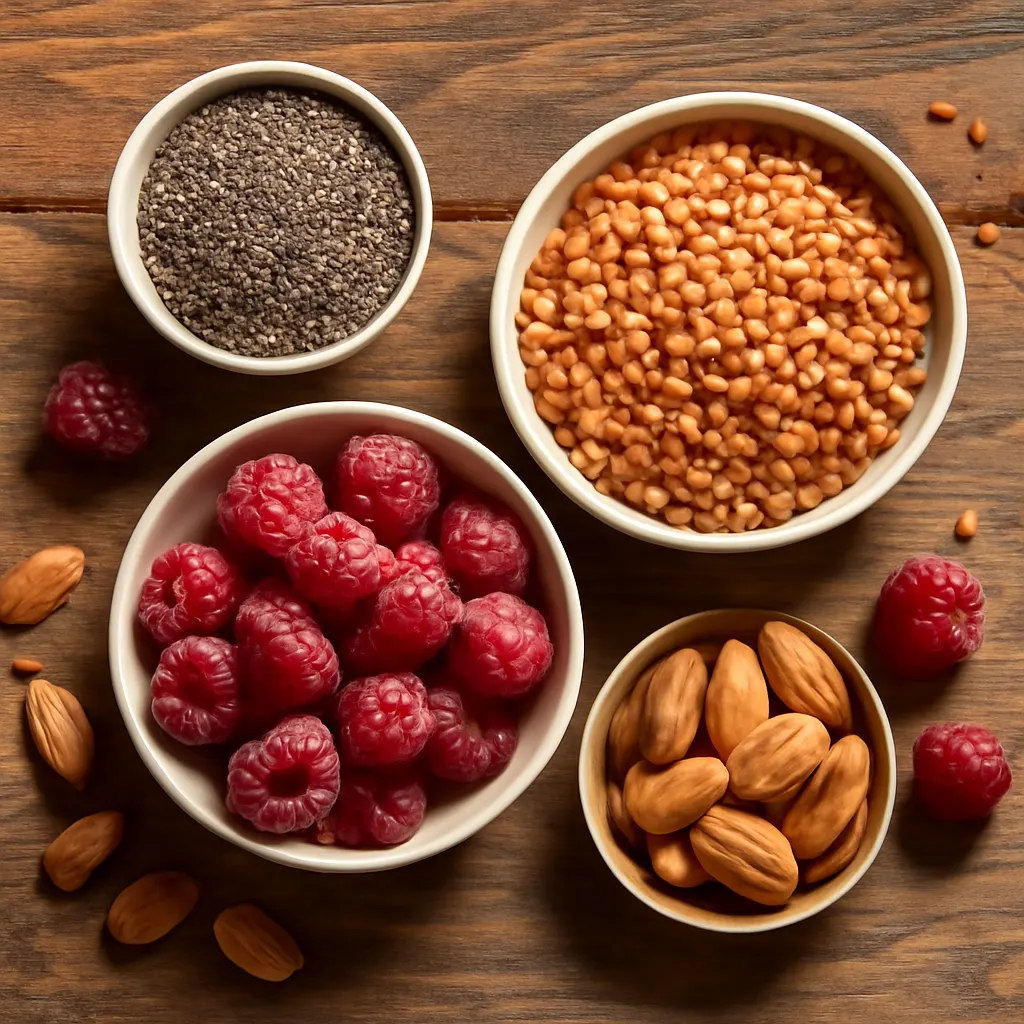
Furthermore, prebiotic fibers derived from supplements—such as inulin, chicory root, or cassava—do not offer the same broad-spectrum benefits as the fiber found in whole foods. Dr. Colleen Tewksbury, a registered dietitian and gut health researcher, points out that relying on isolated prebiotic fibers ignores the synergistic effect of phytonutrients, antioxidants, and water naturally present in fruits, vegetables, and legumes. When you isolate fiber into a sugary carbonated beverage, you strip away the holistic benefits of eating actual plants.
The beverage industry relies on the 'health halo' effect, a cognitive bias where a single positive trait—in this case, added fiber—causes a consumer to overlook negative traits, like added sugar. It’s the same mechanism that allowed low-fat snacks to dominate the 1990s despite being loaded with high-fructose corn syrup. The prebiotic soda market, valued at $476.3 million in 2025 and projected to grow at a compound annual rate of 8.1% through 2034, is the modern manifestation of diet culture wearing a wellness disguise.
What This Means for Your Pantry
None of this means prebiotic sodas are inherently toxic or that you must immediately purge them from your refrigerator. If you are transitioning away from a three-can-a-day Diet Coke habit, swapping in an Olipop or a Poppi is a net positive. You are significantly reducing your intake of artificial sweeteners and synthetic chemicals, and the slight increase in fiber is a marginal improvement over zero fiber.
But consumers must stop treating these drinks as health supplements. They are indulgences. If you want a flavorful, carbonated treat, a prebiotic soda is a superior choice to a traditional cola. If you actually want to heal your gut microbiome, lower systemic inflammation, and regulate your digestion, you cannot outsource that work to a $4 can of sparkling apple juice.
The UNC-Chapel Hill study serves as a necessary correction to the hype cycle. Real gut health requires structural dietary shifts: integrating diverse whole grains, legumes, cruciferous vegetables, and seeds into your daily meals to provide the robust, varied fiber strains your microbiome demands. Your gut bacteria are highly adaptable, but they aren’t easily fooled by a 5-gram dose of inulin swimming in 5 grams of cane sugar.
Read the label. Enjoy the fizz. But understand exactly what you are—and aren’t—buying.
The article shows the pattern. The app trains the response.
Continue in Tikva to turn the insight into a repeated response.
Open TikvaSources and educational notice
This article is educational. It does not provide a medical diagnosis or replace guidance from a qualified health, legal, tax, investment, or financial professional. Decisions about your health or finances should consider your individual circumstances.
- EurekAlert — Press release backing UNC-Chapel Hill researchers' analysis of 108 prebiotic sodas
- Healthline — Report on the July 30, 2026, study findings regarding sugar and fiber ratios
- ResearchGate — The published secondary analysis of Mintel GNPD data by Carlos R. Soto Díaz and Lindsey Smith Taillie
- Fortune — Context on Olipop and Poppi brand nutrition facts and market competition
- Market.us — Data backing the $476.3 million 2025 market valuation and projected growth rates
FAQ
Is it bad to drink a prebiotic soda every day?
No, but it is not a health supplement. If you enjoy the taste, drinking one daily is a significantly better alternative to traditional high-sugar sodas. However, the UNC study indicates that the average 5g of sugar and 5g of fiber per can will not meaningfully transform your gut microbiome. Treat it as a treat, not a medical intervention.
Are Olipop and Poppi actually good for you?
They are less harmful than regular soda. Olipop generally offers a better nutritional profile, providing 6-9 grams of fiber and only 2-5 grams of sugar. Poppi typically contains less fiber (about 2 grams) and 5 grams of sugar. Both can help you slightly increase your fiber intake, but relying on them for gut health is counterproductive due to the added sugar content.
How much prebiotic fiber do I actually need per day?
The FDA recommends 28 grams of dietary fiber daily on a 2,000-calorie diet. To achieve this entirely through prebiotic sodas, you would need to drink five to six cans, which would also deliver 25-30 grams of added sugar. It is vastly more efficient to get your fiber from whole foods like lentils, oats, berries, and chia seeds.
Do prebiotic sodas help with bloating and digestion?
The carbonation in these drinks can actually cause temporary bloating for some individuals. While the 5 grams of fiber may marginally aid digestion over time, the added sugar (typically from cane sugar or fruit juice concentrates) can feed harmful gut bacteria, potentially exacerbating digestive issues in the long run.