Key takeaways
- A landmark 2023 study in Circulation projects heat-related cardiovascular deaths in the US will increase by 233% by midcentury, making the heat dome a direct threat to active adults, not just the elderly.
- Your heart rate will naturally spike 10 to 20 BPM higher in hot weather at the same pace; you must lower your intensity by 60% to 70% during your first 5 to 9 days of heat acclimatization.
- The Wet Bulb Globe Temperature (WBGT) is the gold standard for heat safety, and as of August 2026, all Texas high schools must use it to dictate outdoor practice limits.
- A WBGT reading between 82.0°F and 86.9°F requires at least three separate rest breaks each hour of outdoor exercise.
- Heat stroke is 10 times more likely than cardiac events to be life-threatening for runners during endurance races in warm climates.
On July 2, 2026, health news outlets issued a grim but predictable warning: the frequent, intense summer heatwaves gripping the United States are posing unprecedented health risks for Americans. This was not a hypothetical. By early July, a historic heat dome had settled over the country, driving temperatures 15 to 25 degrees Fahrenheit above normal across more than 20 states. More than 100 million people were under excessive heat warnings over the July Fourth holiday alone. As of July 8, at least 44 deaths had been officially attributed to the 2026 North American heat wave, a number that almost certainly undercounts the true cardiovascular toll.
For the average fit adult, the instinct is to push through. You have a marathon training block to finish, a zone-two target to hit, a routine to maintain. But the physiology of exercising in extreme heat is unforgiving, and the old rules of summer training no longer apply. We are operating in a different climate now, and your cardiovascular system is on the front lines.
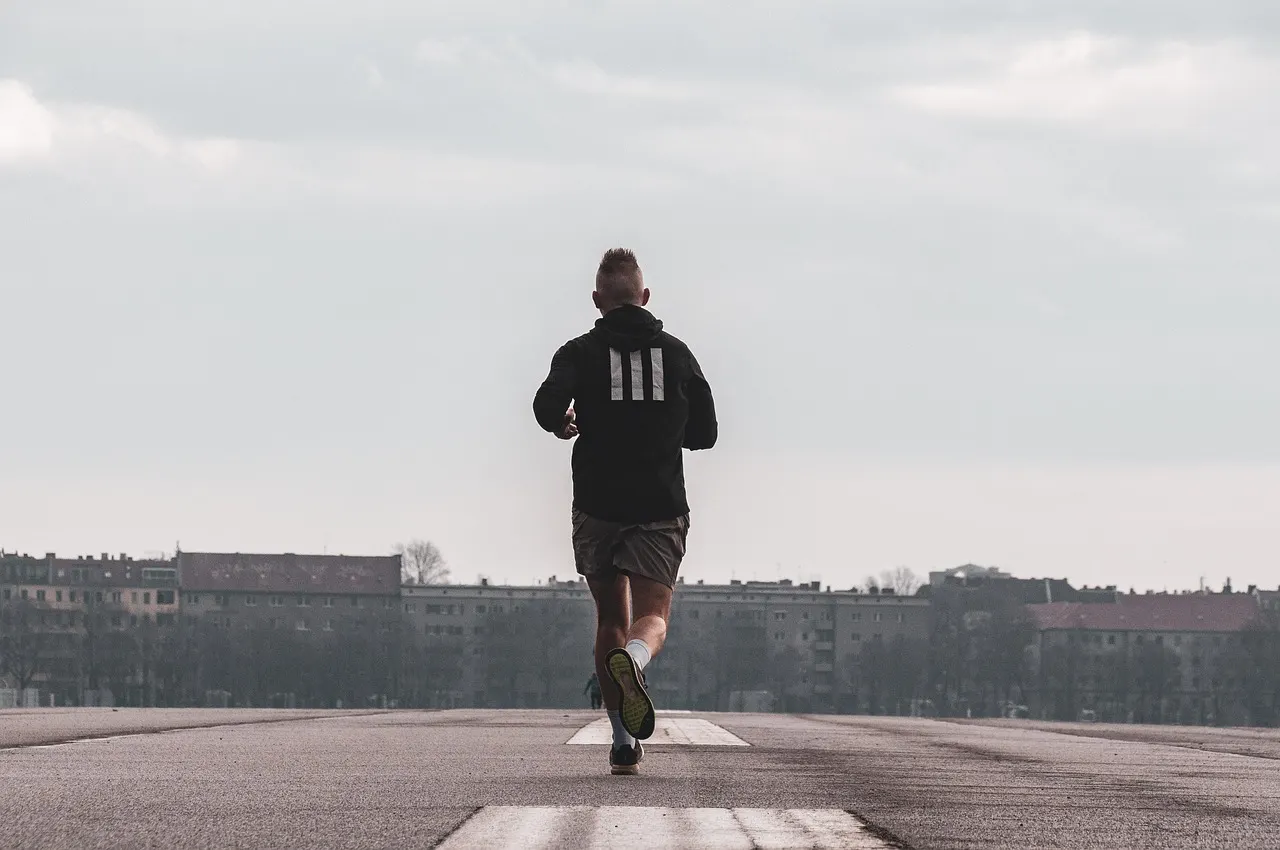
The Cardiovascular Tax of Extreme Heat
When you run or cycle in 95-degree heat, your body faces a brutal supply-and-demand problem. Your working muscles demand oxygen-rich blood to sustain movement. Simultaneously, your skin demands a massive surge of blood flow to sweat and radiate heat away from your core. The heart is forced to pump harder and faster to serve both masters.
According to the American Heart Association (AHA), extreme heat forces the heart to work much harder, diverting blood to the skin and potentially causing dangerous cardiovascular strain. This is not just a matter of discomfort; it is a matter of life and death. A landmark 2023 study published in Circulation, the AHA's flagship journal, projected that heat-related cardiovascular deaths in the contiguous United States could increase by 233% by midcentury. The data shows this burden falls heavily on adults ages 20 to 64, not just the elderly.
If you check your wearable during a standard summer run, you will notice the tax immediately. Heart rate spikes 10 to 20 beats per minute (BPM) higher in hot weather compared to a cool day at the exact same pace. If you insist on hitting your temperate-weather splits, you are effectively performing a high-intensity interval workout while deeply dehydrated. That equation leads to heat exhaustion.
Forget the Heat Index. Learn the WBGT.
Most people check the heat index or the "feels like" temperature on their weather app. If you are responsible for your own health—and especially if you train groups or have kids in sports—you need to learn the Wet Bulb Globe Temperature (WBGT).

The WBGT is the gold standard for measuring environmental heat stress on the human body. Unlike the heat index, which is calculated in the shade and assumes you are standing still, WBGT factors in temperature, humidity, wind speed, sun angle, and cloud cover. It measures exactly what it feels like to be moving in direct sunlight.
The metric has become so critical that starting August 1, 2026, the University Interscholastic League (UIL) in Texas requires all public high schools to use WBGT readings to determine safe parameters for outdoor athletic practices. Readings must be taken every 30 minutes. The Korey Stringer Institute at the University of Connecticut has long championed this standard. For the public, a WBGT between 82.0°F and 86.9°F mandates extreme discretion for prolonged exercise, requiring at least three separate rest breaks each hour. When it exceeds 87°F, outdoor exertion should be heavily limited or postponed.
Acclimatize: You Need 10 to 14 Days
You do not get to choose whether you acclimatize to heat, but you do get to choose how safely you do it. Dr. Lawrence Armstrong, a leading thermoregulation researcher, has extensively documented that exertional heatstroke is a severe risk when unacclimatized individuals push themselves in the heat. Heat acclimatization takes about two weeks. The most significant physiological adaptations occur within the first 5 to 9 days.
During those first few days, your body is highly vulnerable to heat cramps and exhaustion. You must deliberately lower your intensity by 60% to 70% of your normal pace. By day 14, your physiology will have transformed: you will start sweating earlier, sweating more profusely, and sweating across a wider surface area of your body. Your plasma volume will increase, your resting heart rate will drop, and you will lose fewer electrolytes in your sweat.
This process requires consistent exposure. You cannot acclimatize sitting in an air-conditioned office. Doing 60 to 90 minutes of moderate exercise in the heat each day triggers the adaptation. If you cannot safely get outside, controlled use of a sauna or hot yoga post-workout can help stimulate similar plasma volume expansions.
The New Rules of Summer Cardio
The mandate to "stay active" is outdated without proper context. Here are the operational rules for summer 2026.
1. Surrender your pace. Ditch the temperate-weather ego. Run by effort or heart rate, not by your watch's pace metrics. If your heart rate is 15 beats higher than normal at an 8-minute mile, slow down to a 9-minute mile. If that still spikes your heart rate, turn it into a walk-run interval. Power output matters more than speed.
2. Chase the lowest WBGT window. The sun is hottest between 10 a.m. and 4 p.m., but humidity is often highest at dawn. Check your local WBGT and aim for the lowest number of the day. If you must train indoors during a record dome, do it. Treadmills and smart trainers are tools of survival, not cop-outs.
3. Pre-hydrate and maintain electrolytes. Dehydration thickens the blood, forcing the heart to pump harder and accelerating cardiovascular strain. Drink 16 to 20 ounces of water two hours before you go out. For workouts exceeding 60 minutes, you need sodium replacement—aim for 300 to 600 mg of sodium per hour of exercise. Water alone will not cut it.
4. Dress for physics, not aesthetics. Wear loose, light-colored, moisture-wicking fabrics. Avoid cotton, which traps heat. Consider a cooling towel or pour water over your head and neck during the run to facilitate evaporative cooling.
5. Know when to abort. If you experience dizziness, nausea, a sudden headache, chills, or your skin goes cold and clammy, stop immediately. These are the warning signs of heat exhaustion, which can rapidly escalate to exertional heatstroke. According to the American College of Cardiology, heat stroke is 10 times more likely than cardiac events to be life-threatening for runners during endurance races in warm climates. Heatstroke is a medical emergency. Call 911.
The Bottom Line
Heatwaves are no longer anomalies; they are the baseline. The World Health Organization (WHO) released updated Heat-Health Action Plan guidance in June 2026, reflecting a global shift toward permanent structural adaptation. As an individual athlete or active adult, your strategy must shift as well.
Respect the cardiovascular tax. Use the WBGT. Give your body the two weeks it needs to acclimatize. Surrender your pace and prioritize your heart rate. There is no medal for pushing through a heat dome and ending up in an ER with rhabdomyolysis. Train smart, adapt to the new reality, and stay alive.
The article shows the pattern. The app trains the response.
Continue in Tikva to turn the insight into a repeated response.
Open TikvaSources and educational notice
This article is educational. It does not provide a medical diagnosis or replace guidance from a qualified health, legal, tax, investment, or financial professional. Decisions about your health or finances should consider your individual circumstances.
- American Heart Association — Extreme heat and cardiovascular risk data
- Circulation Journal (AHA) — 2023 study projecting 233% increase in heat-related cardiovascular deaths
- Korey Stringer Institute (UConn) — WBGT monitoring and heat stress guidelines
- Wikipedia — 2026 North American heat wave timeline and statistics
- World Health Organization — 2026 Heat-Health Action Plans Guidance
- American College of Cardiology — Heat stroke risk vs cardiac events in endurance runners
FAQ
How long does it take to acclimatize to running in the heat?
Heat acclimatization takes about 10 to 14 days of consistent exposure. The most significant physiological adaptations—like increased plasma volume and earlier sweating—occur within the first 5 to 9 days. During this period, you must drastically reduce your intensity by 60% to 70% to avoid heat exhaustion.
What is the difference between the heat index and WBGT?
The heat index is calculated in the shade and assumes you are standing still. The Wet Bulb Globe Temperature (WBGT) factors in temperature, humidity, wind speed, sun angle, and cloud cover. WBGT measures exactly what it feels like to be moving in direct sunlight, making it the necessary metric for athletes and outdoor workers.
Why does my heart rate spike when I run in the heat?
When you exercise in the heat, your body must send blood to your working muscles while also sending blood to your skin to sweat and cool your core. This dual demand forces your heart to pump harder and faster, raising your heart rate 10 to 20 BPM higher than normal at the exact same pace.
What are the early warning signs of heat exhaustion?
Early warning signs of heat exhaustion include dizziness, nausea, a sudden headache, chills, and cold or clammy skin. If you experience these symptoms, stop exercising immediately, get into a cool environment, and hydrate. If symptoms escalate to confusion or a lack of sweating, it may be a sign of heatstroke, which requires an immediate call to 911.