Key takeaways
- After 50, target 1.2 to 1.6 g of protein per kg of body weight daily — 84 to 112 g for a 70 kg adult — not the 0.8 g/kg adult RDA.
- Spread intake as about 25 to 30 g (0.4 g/kg) per meal across three or four meals; the body uses only 20 to 40 g of protein at a time.
- Anabolic resistance and accelerating muscle loss are why needs rise: sarcopenia affects roughly half of adults over 80, and untrained adults lose 4 to 6 lb of muscle per decade.
- About 46 percent of adults ages 51 and older fall short of even baseline protein recommendations, per Harvard Health.
- Healthy kidneys handle the 1.2 to 1.6 g/kg range; only pre-existing kidney disease (an eGFR below 30) calls for protein restriction under medical care.
How much protein do seniors need? For most people over 50, the working target is 1.2 to 1.6 grams of protein per kilogram of body weight per day — not the 0.8 g/kg adult RDA that still governs food labels. A 70-kilogram (154-pound) adult needs 84 to 112 grams daily, spread across three or four meals to keep muscle. That is the number, and here is the evidence behind it.
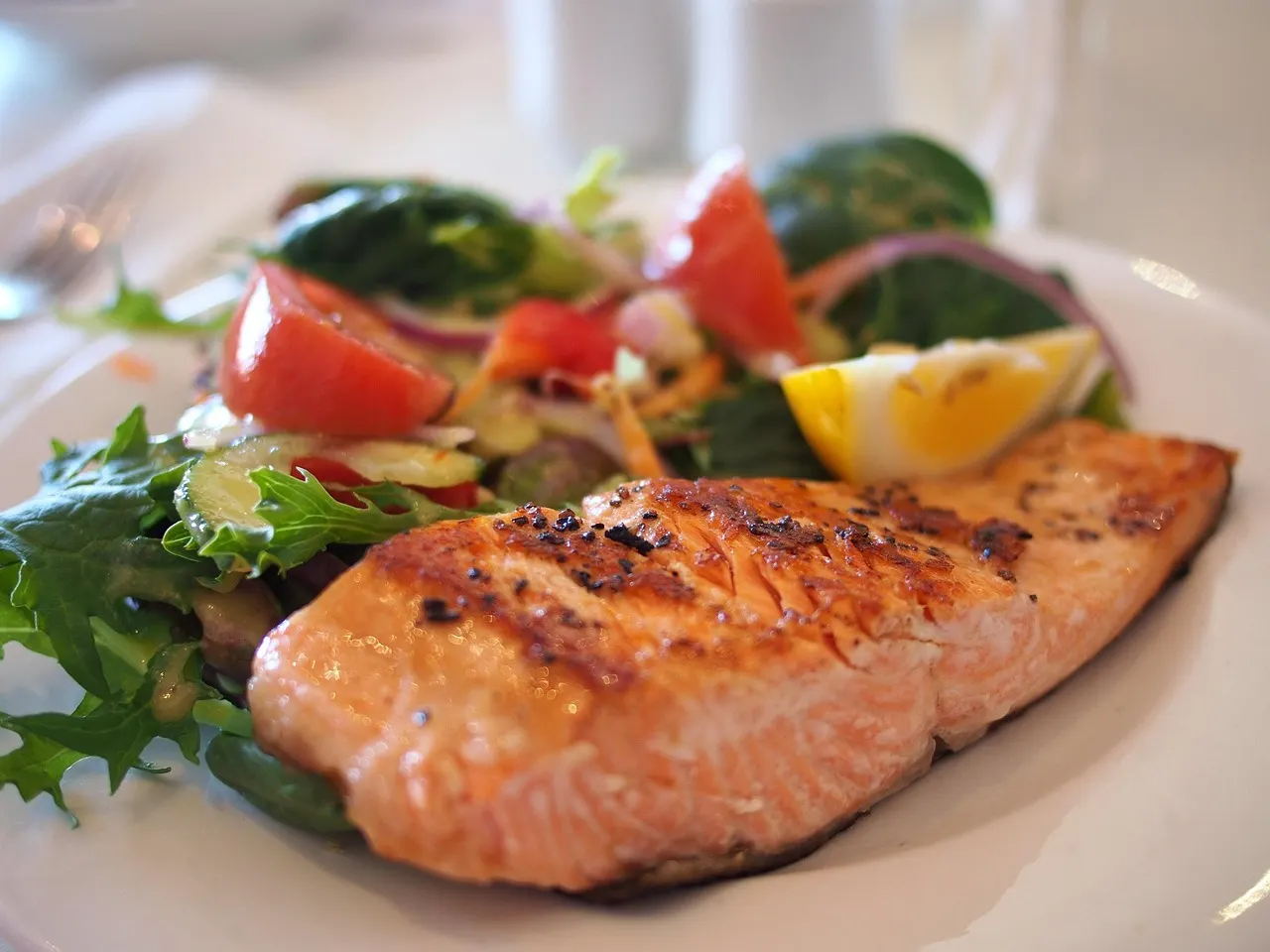
How Much Protein Do Seniors Need? Why the 0.8 g/kg RDA Falls Short After 50
The Recommended Dietary Allowance of 0.8 g/kg (about 0.36 g per pound) was set decades ago as the minimum that prevents protein deficiency in most healthy adults. It was never calibrated for aging bodies. For an 82-kilogram (180-pound) man it lands near 65 grams a day — a level the current gerontology literature treats as a floor, not a target.
Two mechanisms push protein needs for adults over 50 upward. The first is anabolic resistance in older adults: muscle becomes less responsive to dietary amino acids, so the same serving of protein triggers a smaller muscle-building response than it did at 30. That is why experts at UCLA Health advise roughly 1.2 to 1.6 g/kg for older adults rather than the younger baseline.
The second mechanism is the pace of muscle loss itself. Sarcopenia — age-related muscle loss — affects roughly half of adults over 80, and adults who skip regular strength training lose 4 to 6 pounds of muscle per decade, Harvard Health reports. A 2023 review in The Journals of Gerontology: Series A concluded that older adults benefit from 1.0 to 1.6 g/kg daily, and an October 2025 physician update in the British Columbia Medical Journal cites recent studies recommending up to 1.6 to 1.8 g/kg/day for many seniors. Meanwhile, roughly 46 percent of adults ages 51 and older do not meet even baseline protein recommendations, based on Harvard Health reporting on a study of nearly 12,000 people.
How Much Protein Should a 70-Year-Old Woman Eat per Day?
Multiply body weight in kilograms by 1.2 for the low end and 1.6 for the high end. A 70-year-old woman who weighs 65 kg (about 143 pounds) needs 78 to 104 grams of protein a day; at 60 kg (132 pounds), the range is 72 to 96 grams. Working in pounds? Multiply by 0.55 to 0.73.
Where she lands in that range depends on health and activity. The PROT-AGE Study Group — an international panel convened by the European Union Geriatric Medicine Society — recommends at least 1.0 to 1.2 g/kg for healthy people over 65, 1.2 to 1.5 g/kg for those with acute or chronic illness, and at least 1.2 g/kg for those who exercise. In practice, a healthy 70-year-old woman should treat 80 to 100 grams a day as her working number. The question of how much protein after 60 a person needs gets the same math, with the higher end mattering more after illness, injury, or unintended weight loss.
To translate grams into food, keep these anchor portions in mind (values from Harvard Health):
- 100 g (3.5 oz) cooked chicken breast — about 31 g of protein
- 170 g (6 oz) plain Greek yogurt — about 17 g
- One cup of cooked beans or lentils — about 18 g
- One cup of milk — 9 g; one large egg — 6 g

What Is the Optimal Protein Intake per Meal for Seniors?
Roughly 25 to 30 grams per meal — about 0.4 g per kg of body weight — repeated across three or four meals. The independent research reference Examine.com states the current guidance plainly: 1.2 to 1.6 g/kg per day, evenly distributed across three to four meals that each contain at least 0.4 g/kg.
Distribution does much of the work. The body uses only about 20 to 40 grams of dietary protein at one time for muscle building, notes Dr. Frank Hu, professor of nutrition and epidemiology at the Harvard T.H. Chan School of Public Health. An 80-gram dinner steak does more for the plate than for muscle; the same total split across breakfast, lunch, and dinner supports muscle synthesis all day.
Resistance training is the multiplier. The PROT-AGE panel notes that muscle sensitivity to amino acids rises after exercise, making a roughly 20-gram protein serving shortly after a strength session a smart anchor. Older adults who train should aim for the higher end of the daily range — at least 1.2 g/kg.
Can Too Much Protein Cause Kidney Problems in Seniors?
Not with healthy kidneys. No quality evidence links 1.2 to 1.6 g/kg to kidney damage in older adults with normal kidney function, and mainstream experts treat the range as safe. The caution applies once kidney disease is present. PROT-AGE makes one clear exception: older people with severe chronic kidney disease — an estimated GFR below 30 — who are not on dialysis may need to limit protein under medical supervision.
Harvard Health flags a boundary at the very high end: intakes above roughly 150 grams a day for a 165-pound person (about 2 g/kg) can cause dehydration and aggravate existing kidney problems or a history of kidney stones. For most seniors the real risk runs the other direction — eating too little. If you have kidney disease or another medical condition, are pregnant, or take medication including GLP-1 weight-loss drugs, check with your clinician before raising your protein intake.

How Can Older Adults Get 30 Grams of Protein at Breakfast?
Breakfast is where most people over 50 miss their number, and 30 grams is reachable by combining ordinary foods rather than hunting for a single hero ingredient. High protein foods for older adults are everyday foods used in pairs:
- Three-egg omelet (18 g) with 28 g of cheese (7 g) plus a glass of milk (8 g) — about 33 g
- Greek yogurt bowl: 170–200 g plain Greek yogurt (17–20 g), 2 tablespoons of peanut butter (7 g), and berries — add a boiled egg or milk to cross 30 g
- Cottage cheese bowl: one cup (about 24 g) with fruit and a small handful of nuts
- Protein smoothie: one cup of milk (9 g) blended with a scoop of whey or soy protein powder (20–25 g)
Whole foods first. Protein powder is a legitimate backup when appetite, dentures, or chewing trouble make solid protein difficult — Harvard Health notes that whey is especially effective for building muscle in older adults. One swap pays daily: choose Greek yogurt over regular, since straining roughly doubles the protein per serving.
Your move this week: do the arithmetic once, then rebuild each day around it.
- Write down your range: weight in kg × 1.2 and × 1.6 (in pounds, × 0.55 and × 0.73).
- Track protein for two normal days with a food app or by reading labels — most people find the gap is real and that it lives at breakfast.
- Add one high-protein serving to tomorrow's breakfast: two eggs, a cup of Greek yogurt, or half a cup of cottage cheese.
- Spread the rest as 25 to 30 g at lunch and dinner, with a protein snack if you fall short.
- Book two strength sessions this week. Protein preserves muscle only when muscle is challenged, and the 1.2 to 1.6 g/kg range works best alongside resistance training twice a week.
The adult RDA was built to prevent deficiency in young bodies. The number that protects strength after 50 is bigger and spread wider — and it starts with a protein-rich breakfast tomorrow.
The article shows the pattern. The app trains the response.
Continue in Tikva to turn the insight into a repeated response.
Open TikvaSources and educational notice
This article is educational. It does not provide a medical diagnosis or replace guidance from a qualified health, legal, tax, investment, or financial professional. Decisions about your health or finances should consider your individual circumstances.
- Harvard Health — muscle-loss rates, sarcopenia prevalence, and protein values of common foods
- PROT-AGE Study Group, J Am Med Dir Assoc (2013) — protein targets for adults over 65 and the kidney-disease exception
- Harvard Men's Health Watch — the 20–40 g per-sitting limit, meal timing, and food protein values
- UCLA Health — 1.2–1.6 g/kg guidance for older adults and anabolic resistance
- Examine.com — per-meal distribution of 0.4 g/kg across three to four meals
- National Institute on Aging — healthy-eating guidance for older adults
FAQ
How much protein should a 70 year old woman eat per day?
About 72 to 104 grams per day, depending on body weight. A 70-year-old woman at 60 kg (132 pounds) needs 72 to 96 grams; at 65 kg (143 pounds), 78 to 104 grams. That is 1.2 to 1.6 g per kilogram of body weight. Spread it as 25 to 30 grams at each of three meals rather than one large serving.
What is the optimal protein intake per meal for seniors?
Roughly 25 to 30 grams, or about 0.4 grams per kilogram of body weight, at each of three or four meals. That dose best stimulates muscle protein synthesis, since the body uses only about 20 to 40 grams of protein at one time and responds better to protein spread across the day.
Why do older adults need more protein than younger adults?
Because aging muscle becomes less responsive to dietary protein, a change called anabolic resistance in older adults. Illness and inflammation common after 60 also raise protein needs. Without more protein, sarcopenia accelerates — adults who skip strength training can lose 4 to 6 pounds of muscle per decade.
Can too much protein cause kidney problems in seniors?
Only when kidney disease is already present. In healthy seniors, 1.2 to 1.6 g/kg per day is safe and no quality evidence links it to kidney damage. The exception is chronic kidney disease with an eGFR below 30, where a clinician may limit protein. Intakes above roughly 150 grams daily can strain damaged kidneys.
How can older adults get 30 grams of protein at breakfast?
Combine foods. Three eggs plus an ounce of cheese and a glass of milk adds about 33 grams. Greek yogurt with peanut butter and milk reaches roughly 30, as does a cup of cottage cheese with nuts, or milk blended with a scoop of whey or soy protein powder.