Key takeaways
- Use the 20/80 rule: keep ultra-processed food to roughly one-fifth of your day and get the other 80% from food that passes the "can I make it in my kitchen?" test — no calorie counting.
- In the NIH randomized trial (Hall et al., 2019), people ate 508 more calories per day on an ultra-processed diet and gained about 0.9 kg in two weeks.
- A 2026 analysis in The American Journal of Clinical Nutrition found that a whole-food diet led people to eat 57% more food by weight while consuming about 330 fewer calories a day.
- Adults in the UK and US get roughly 57–60% of daily calories from ultra-processed foods, so cutting toward 20% captures most of the benefit without total elimination.
- The kitchen test replaces label-reading: if you can't reproduce a product with ordinary home ingredients and equipment, it's a NOVA Group 4 ultra-processed food.
The fastest way to reduce ultra processed foods is the 20/80 rule: keep ultra-processed food to about one-fifth of your day and let the other 80% come from food you could make in your own kitchen — no counting. In an NIH trial, people ate 508 extra calories a day on an ultra-processed diet; a 2026 analysis found a whole-food diet cut about 330 calories while adding 57% more food by weight.
What Most People Get Wrong About Cutting Processed Food
The standard advice — "just eat less" — fails for a structural reason. Ultra-processed foods aren't an occasional treat; they're the default. Adults in the UK and US now get roughly 57–60% of their daily calories from them, according to national dietary surveys and a UK Parliament inquiry.
That's why the usual plan collapses. You can't "eat less" of something that makes up most of your diet through willpower alone, and counting calories treats the symptom while leaving the food environment intact. The evidence points the other way: swap the food, and intake drops by itself.
The clearest demonstration came in 2019, when NIH researcher Kevin Hall and colleagues ran a randomized trial at the NIH Clinical Center. Twenty weight-stable adults lived in the facility for 28 days and ate an ultra-processed diet for two weeks and an unprocessed one for two weeks. The meals were matched for presented calories, sugar, fat, fiber, and salt. Participants still ate 508 more calories per day on the ultra-processed diet — and gained about 0.9 kg (2 lb) in two weeks, then lost a similar amount on the whole-food diet. Eating more of the same calories isn't a discipline problem; it's a food problem.
What Counts as an Ultra-Processed Food?
Ultra-processed foods are industrial formulations made with little or no whole food. The category comes from the NOVA classification system, developed in 2009 by epidemiologist Carlos Monteiro at the University of São Paulo, which sorts food into four groups by the extent and purpose of processing rather than by nutrient content.
- Group 1 — unprocessed or minimally processed: fruit, vegetables, meat, fish, eggs, milk, grains, beans. Cutting, freezing, and pasteurizing don't move a food out of this group.
- Group 2 — processed culinary ingredients: oil, butter, salt, sugar, honey. The pantry staples you cook with.
- Group 3 — processed foods: canned vegetables and fish, cheese, fresh bakery bread, pickles. Group 1 foods with Group 2 ingredients added.
- Group 4 — ultra-processed foods: soft drinks, packaged snacks, instant noodles, reconstituted meats, most breakfast cereals, flavored yogurts, packaged bread with emulsifiers and additives.
The key insight: not all processed food is the problem. Canned beans, frozen berries, and fresh bread are fine. Only Group 4 — the factory formulations you couldn't reproduce at home — is what you're cutting. That distinction is why "is all processed food bad for you?" has a simple answer: no, just the ultra-processed slice.
How to Reduce Ultra Processed Foods: The 20/80 Rule
Here's the one swap rule. Keep ultra-processed food to about one-fifth of your day — roughly one moderate meal's worth, or a snack plus a treat — and let the other 80% come from food that passes the kitchen test. That's the whole system. You're not counting calories; you're steering a ratio.
Why 20%? Because that's where the evidence concentrates. The 2019 NIH trial showed the top of the scale: at 83% ultra-processed, people ate an extra 508 calories a day. A 2026 analysis published in The American Journal of Clinical Nutrition, led by the University of Bristol, re-examined that trial and found something almost counterintuitive: on a completely unprocessed diet, people ate 57% more food by weight yet consumed about 330 fewer calories per day. They weren't dieting. They chose carrots over pancakes, spinach over French toast sticks, and their intake fell on its own.
So you don't need to go from 60% to zero to capture most of the benefit. Pulling the average down toward one-fifth — while eating more food by weight — is where the silent 300–600 calorie drop lives. That's a whole-food diet benefit you get without tracking a single number.
The Kitchen Test: How to Know If a Food Is Ultra-Processed
Here's the check that replaces label-reading: can you make it in your kitchen? If you couldn't reproduce the product with ordinary ingredients and standard home equipment — an oven, a pan, a knife — it's ultra-processed.
This isn't a loose metaphor; it's built into the definition. Researchers describe NOVA Group 4 foods as industrial formulations that would be difficult, if not impossible, to replicate in a domestic kitchen. The practical version: a product with five or more ingredients you wouldn't keep as pantry staples — emulsifiers, flavorings, colorings, modified starches — fails the test.
Run it on a few common pairs. Plain yogurt with fruit: passes. Fruit-flavored yogurt with thickeners and sweeteners: fails. Bread from a bakery: passes. Packaged bread with emulsifiers and added gluten: fails. Sliced apple with peanut butter: passes. A granola bar with thirteen ingredients: fails. Test the five packaged foods you buy most, and you'll have a target list without memorizing a single banned item.
Why Do Ultra-Processed Foods Make You Overeat?
In the NIH trial, the two diets were matched for calories, sugar, fat, fiber, and salt — so the extra 508 calories a day weren't explained by anything on a nutrition label. The difference was in how the foods behaved in the body.
Participants ate faster on the ultra-processed diet, both in grams and calories per minute. The soft, easy-to-chew texture means food clears your mouth before your gut can signal fullness. Hormone measures flipped too: lower levels of the appetite-suppressing hormone PYY and higher ghrelin, the hunger hormone. And because ultra-processed food is energy-dense, people had to eat through more carbohydrate and fat to reach the same protein intake — a pattern researchers call protein leverage.
The 2026 Bristol analysis added a sharper layer. Ultra-processed foods tend to bundle calories with fortified vitamins, which "kills the beneficial trade-off between calories and micronutrients," as co-author Annika Flynn put it. Whole foods keep that trade-off alive, which is why people eating them reached for vitamin A from carrots and spinach instead of from calorie-dense pancakes and French toast sticks. Overeating on an ultra-processed diet isn't a willpower failure; it's a design feature of the food.
Is It Okay to Eat Some Ultra-Processed Food?
Yes. Nothing in the evidence requires total elimination, and aiming for perfection is a reliable way to abandon the whole project. The 20% slot exists precisely so you can eat a restaurant meal, a birthday cake, or a convenience-day lunch without treating it as a failure.
The pattern that matters is the average: the majority of your calories from food that passes the kitchen test, a minority that doesn't. That ratio does the calorie-cutting for you — no tracking, no guilt, no counting. And because the whole-food side is less energy-dense, you'll be fuller while eating fewer calories, which makes the ratio sustainable instead of miserable.
What to Do This Week
- Run the kitchen test on the five packaged foods you buy most and tag the failures.
- Pick the single biggest daily swap. Breakfast cereal to oats with fruit, fruit-flavored yogurt to plain yogurt plus berries, soda to sparkling water, packaged bars to an apple with nut butter. One swap, done.
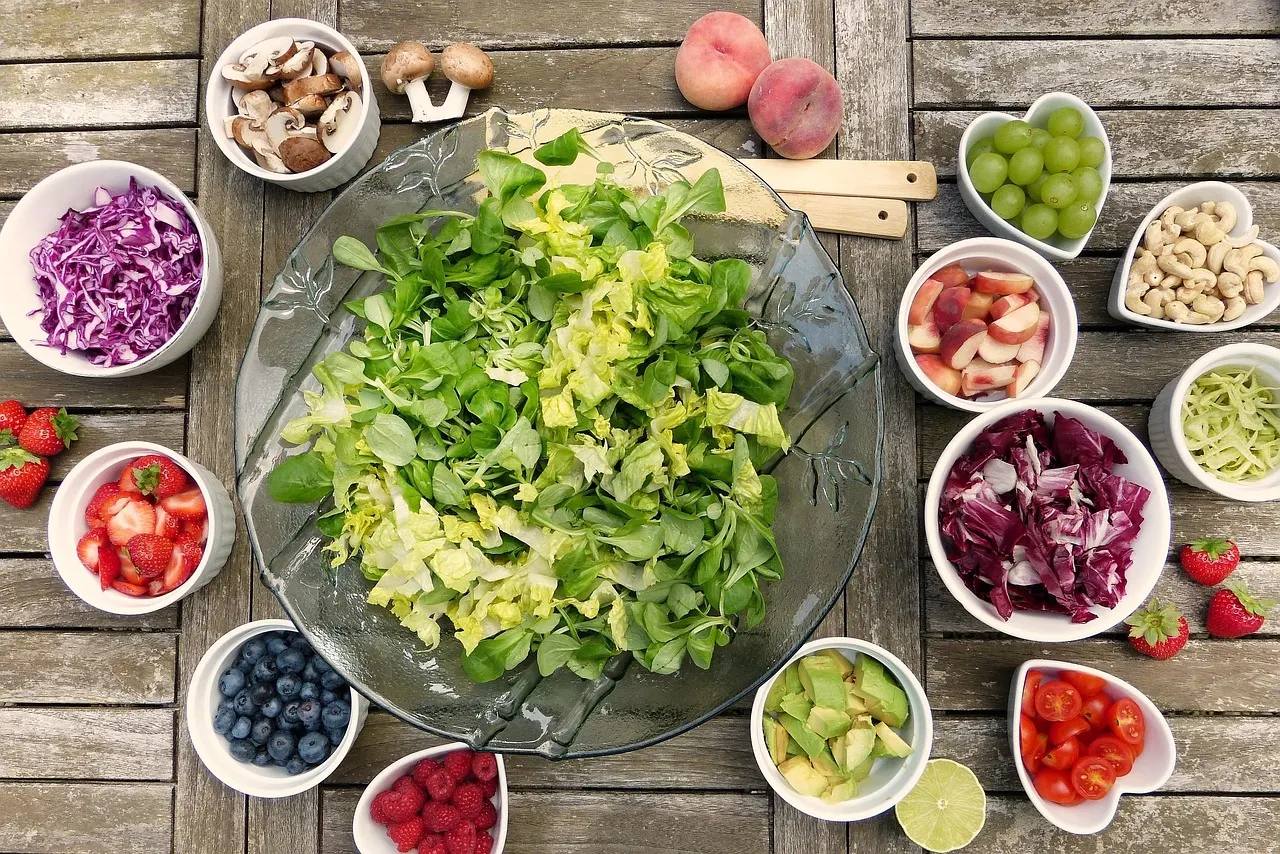
- Build meals on a template — a protein, a pile of vegetables, and a whole grain or bean. That template fills the 80% without a recipe book.
- Keep one daily flex slot for the 20%: one snack, one treat, one convenience meal. Don't negotiate it into two.
- Skip the calorie counting for two weeks and let the food do the work. If you have a medical condition, are pregnant, or take medication (including GLP-1 drugs), check with a clinician before making big changes.
You don't need a food plan, an app, or another diet. You need one rule that bends the average of your day toward real food — and lets you eat more of it while taking in fewer calories.
The article shows the pattern. The app trains the response.
Continue in Tikva to turn the insight into a repeated response.
Open TikvaSources and educational notice
This article is educational. It does not provide a medical diagnosis or replace guidance from a qualified health, legal, tax, investment, or financial professional. Decisions about your health or finances should consider your individual circumstances.
- Hall et al., Cell Metabolism (2019) — the NIH randomized trial showing 508 extra kcal/day and ~0.9 kg weight gain on an ultra-processed diet
- University of Bristol / The American Journal of Clinical Nutrition (2026) — whole-food diet analysis: 57% more food by weight, ~330 fewer calories
- PBS NewsHour — evidence that eating less ultra-processed food supports healthier aging
- PLOS Medicine editorial (Yeo, 2024) — the "difficult to replicate in a domestic kitchen" framing of NOVA Group 4 foods
- UK Parliament report — ultra-processed foods make up ~57% of UK adult calories
- Today.com — dietitian-endorsed tips for eating fewer ultra-processed foods
FAQ
What counts as an ultra-processed food?
Ultra-processed foods are industrial formulations made with little or no whole food — soft drinks, packaged snacks, instant noodles, reconstituted meats, most breakfast cereals, and flavored yogurts. They are NOVA Group 4: made with additives like emulsifiers, flavorings, and modified starches that you wouldn't find in a home kitchen.
How do I know if a food is ultra-processed?
Use the kitchen test: if you can't make it with ordinary home ingredients and equipment, it's ultra-processed. Check the ingredient list for five or more items you wouldn't keep as pantry staples — emulsifiers, colorings, flavorings, modified starches. Foods that fail are NOVA Group 4.
Is it okay to eat some ultra-processed food?
Yes. The evidence doesn't demand total elimination. Keeping ultra-processed food to roughly one-fifth of your day — the 20/80 rule — captures most of the benefit while allowing for restaurant meals, treats, and convenience days. The average of your diet matters more than any single meal.
Why do ultra-processed foods make you overeat?
People ate faster on ultra-processed diets in the NIH trial, and their fullness signals were weaker — lower PYY and higher ghrelin. The foods are soft, energy-dense, and quickly eaten, so your gut can't signal satiety in time. The 2026 Bristol analysis adds that UPFs bundle calories with fortified vitamins, weakening the natural trade-off whole foods create.
How many calories do you eat more on an ultra-processed diet?
About 500 a day. In the NIH trial, people consumed 508 more calories per day on the ultra-processed diet even though meals were matched for calories, sugar, fat, fiber, and salt. Conversely, a 2026 analysis found a whole-food diet cut about 330 calories a day while adding 57% more food by weight.