Key takeaways
- Is eating before bed bad for you? Not inherently — a slow-digesting ~30 g protein snack supports overnight muscle repair when total daily calories and food quality are matched.
- A 2012 randomized trial (Res et al.) gave 40 g of casein before sleep and found overnight muscle protein synthesis ran about 22% higher than placebo.
- A 2015 Journal of Nutrition trial (Snijders et al.) used ~30 g (27.5 g) of casein nightly for 12 weeks and produced significantly greater strength and quadriceps gains than training alone.
- Reach ~30 g with cottage cheese, Greek yogurt, milk and eggs, or a casein shake, eaten 30-60 minutes before bed.
- Bedtime protein is a lever for hitting your daily 1.4-2.0 g/kg protein target, not a replacement for it.
Is eating before bed bad for you? No — provided the snack is the right kind. The 30-gram rule: a slow-digesting protein snack of about 30 g before sleep supports overnight muscle repair. When total daily calories and food quality are matched, the preponderance of evidence does not show that eating at night directly causes greater fat storage.
The "nothing after 8 p.m." rule is one of the oldest food rules in the book — and one of the weakest. It assumes your metabolism clocks out when the lights go off. It doesn't. Sleep is a 7- to 9-hour window when muscle does real repair work, and that work needs amino acids. Most people end the day with the thinnest protein coverage at exactly the wrong moment: dinner is early, the evening is long, and by bedtime the overnight fast has nothing to draw on.
Here's what most people get wrong: the late-night food problem was never the clock — it was the content. Chips, ice cream, and a second dinner eaten past fullness are what gave "eating before bed" a bad name. Swap that habit for one small, slow-digesting protein snack and the same time slot becomes a recovery tool rather than a guilt trip.

Is Eating Before Bed Bad for You?
No — not inherently. The belief that food after sunset turns straight to fat has no mechanism behind it. Protein eaten before sleep is digested and absorbed during the night, and a 2012 study from Maastricht University showed blood amino acid levels stay elevated for hours while you sleep.
The legitimate caveat is comfort, not fat storage. Large, heavy, spicy, or high-fat meals close to lights-out can trigger reflux and disturb sleep in some people — and broken sleep raises appetite and slows recovery. A modest protein snack, not a second dinner, sidesteps that problem entirely.
Does Eating Before Bed Cause Weight Gain?
Not by itself. Weight change comes from total daily energy balance — what you eat across the day relative to what you burn — not from the hour on the clock. A 2019 review of pre-sleep protein research by the Maastricht group found no evidence that a bedtime protein snack promotes fat gain, and no impairment of sleep quality or sleep onset.
In the 12-week training trial, the group adding a nightly ~30 g casein drink gained significantly more strength and quadriceps size than the placebo group. A 30 g protein snack costs roughly 120-160 kcal — trivial when the rest of the day is on target, and a genuine problem only if you pile it on top of an already over-budget day.
If fat loss is the goal, treat the snack as part of the day's calories and plan for it. Expect a realistic pace of about 0.5-1% of body weight per week — not overnight change, which is mostly water and wishful thinking.
Is Protein Before Bed Good for Muscle Growth?
Yes — this is the best-evidenced version of eating before bed. The research that started it: a 2012 randomized trial gave 16 young men 40 g of casein 30 minutes before sleep, after an evening resistance workout. Overnight muscle protein synthesis ran about 22% higher than placebo, and whole-body net protein balance stayed positive through the night (it was negative on placebo).
That acute result was then tested for the long game. In a 2015 trial published in The Journal of Nutrition, 44 young men trained for 12 weeks; half added a nightly ~30 g (27.5 g) casein drink before bed. The protein group gained significantly more strength and quadriceps cross-sectional area than the placebo group — even though both groups already ate a relatively high-protein diet (about 1.3 g of protein per kilogram daily) and received a post-workout snack.
That's the point that matters most: the overnight window added gains on top of an already solid diet. Pre-sleep protein isn't a substitute for daily protein or training — it's an extra opportunity most people simply never use.

What Should You Eat Before Bed to Build Muscle?
Aim for roughly 30 g of slow-digesting protein, about 30-60 minutes before lights-out. Casein is the classic choice: it clots in the stomach and releases amino acids slowly — roughly 6 g per hour, far slower than whey's quick spike — which suits an 8-hour overnight fast. Whole foods work as well as shakes.
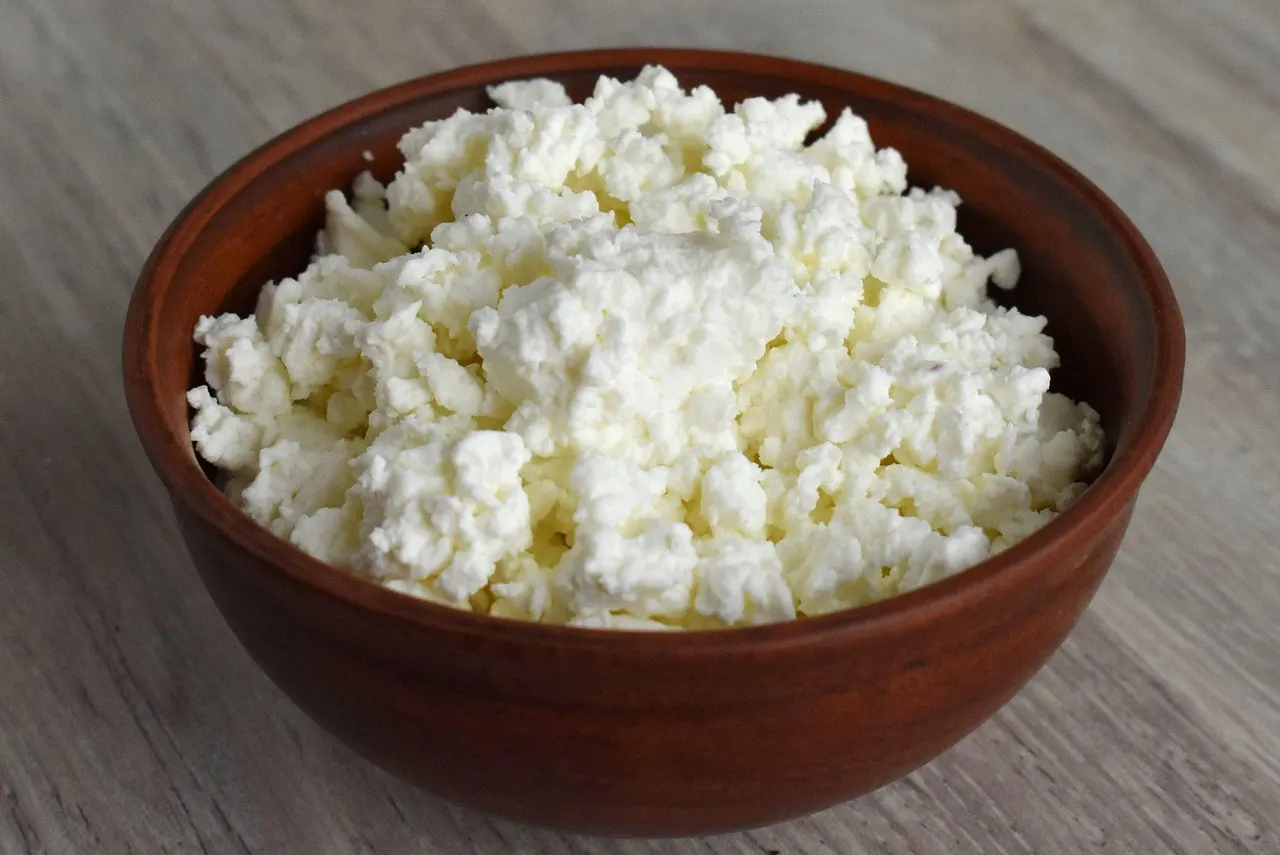
- 1 cup (225 g) of cottage cheese: ~27 g protein
- 1 cup of plain Greek yogurt: ~20-25 g protein (add a scoop of casein or a small handful of nuts to reach 30 g)
- 2 cups of milk: ~16-20 g protein
- 4 large eggs: ~24 g protein
- 100 g cooked chicken breast: ~31 g protein
- 1 scoop of casein in water or milk: ~25-30 g protein
Keep it small and boring. The goal is protein, not a snack production. Skip anything with caffeine, avoid portions so large they disrupt sleep, and if dairy doesn't agree with you, eggs, chicken, tofu, or a pea- or soy-based shake cover the same ground.
How Much Protein Should You Eat Before Bed?
About 30 g is the practical middle of the evidence. The research used two doses: 40 g in the acute overnight study that produced the 22% figure, and 27.5 g (commonly rounded to 30 g) in the 12-week training trial. A 30 g dose of casein also delivers roughly 2.5 g of leucine — in the range of the per-meal leucine threshold (~2-3 g) generally associated with triggering muscle protein synthesis.
Think of the snack as a tool for hitting a daily target, not a separate program. The International Society of Sports Nutrition puts protein needs for building or keeping muscle at roughly 1.4-2.0 g per kilogram of body weight per day, spread across the day. If your dinner already delivered 30 g+ of protein within two to three hours of bed, you can skip the snack — that meal is already covering the overnight window.
Your Bedtime Protein Plan for This Week
One change, five steps. Set the snack up tonight and keep it for two to three weeks before judging it.
- Pick one ~30 g slow-protein option from the list above. Greek yogurt plus a casein scoop, a cup of cottage cheese, or a casein shake all qualify.
- Eat it 30-60 minutes before lights-out. If you trained in the evening, that puts protein on top of your post-workout meal at the right time.
- Count it in your daily protein total. The snack is a meal, not a bonus; if the day runs over budget, trim a little elsewhere rather than dropping the protein.
- Skip it when dinner already delivered 30 g+ of protein within two to three hours of bed. You're covering an overnight gap, not chasing a magic window.
- Judge it by results: steadier recovery and strength progress say keep it; reflux or restless sleep say adjust the portion or move it earlier.
If your total daily protein already sits at 1.6-2.0 g per kilogram, the bedtime snack adds little — you've already covered the overnight window. It earns its keep when evening protein is thin or you trained late, which for most people is most nights.
One practical caveat: if you have a medical condition, are pregnant, or take medication — including GLP-1 drugs — check with your clinician before making big changes to your eating routine. A 30 g bedtime snack is a lever for people who train and want the overnight hours working in their favor; it is not a universal prescription.
The article shows the pattern. The app trains the response.
Continue in Tikva to turn the insight into a repeated response.
Open TikvaSources and educational notice
This article is educational. It does not provide a medical diagnosis or replace guidance from a qualified health, legal, tax, investment, or financial professional. Decisions about your health or finances should consider your individual circumstances.
- Res et al. 2012, Medicine & Science in Sports & Exercise (PubMed) — 40 g casein before sleep raised overnight muscle protein synthesis ~22%
- Snijders et al. 2015, The Journal of Nutrition (PubMed) — ~30 g casein before sleep increased 12-week muscle and strength gains
- Snijders et al. 2019, Frontiers in Nutrition — review of pre-sleep protein, body composition, and sleep
- International Society of Sports Nutrition position stand on protein and exercise — daily protein intake guidance
- Boirie et al. 1997, PNAS (PubMed) — casein's slow digestion rate versus whey
FAQ
Is it bad to eat before bed?
No, not in itself. The research shows a small, protein-focused snack before sleep is digested normally and supports overnight muscle repair. What's worth avoiding is large, heavy, sugary meals close to lights-out, which can cause reflux or disturb sleep in some people.
Does eating before bed cause weight gain?
Not on its own. Weight change tracks total daily calorie balance, not the clock. A 2019 review of pre-sleep protein studies found no evidence that a bedtime protein snack promotes fat gain or harms sleep. It adds fat only if it pushes your day's calories above what you burn.
Is protein before bed good for muscle growth?
Yes. A 2012 trial found 40 g of casein before sleep raised overnight muscle protein synthesis about 22% versus placebo, and a 2015 trial showed ~30 g nightly added significantly more strength and quadriceps size over 12 weeks of training. It works best alongside regular training and adequate daily protein.
What should I eat before bed to build muscle?
A ~30 g serving of slow-digesting protein, eaten 30-60 minutes before bed. Good options: a cup of cottage cheese, plain Greek yogurt, milk and eggs, or a casein shake. Whole foods work as well as supplements, so choose what you'll actually eat nightly.
How much protein should I eat before bed?
Aim for about 30 g. That sits between the 40 g used in the overnight muscle-protein-synthesis study and the 27.5 g used in the 12-week training trial, and it delivers enough leucine to trigger muscle protein synthesis for most adults.