Key takeaways
- The FDA's Pharmacy Compounding Advisory Committee voted on July 23–24, 2026 to recommend clearing six peptides—BPC-157, KPV, TB-500, MOTS-c, Epitalon, and Semax—for inclusion on the 503A Bulks List, overturning the restrictions imposed in the 2023 Category 2 designation.
- Only emideltide (DSIP) was rejected, in a narrow 6–7 vote with one abstention; the votes for BPC-157, KPV, and TB-500 were 8–6 in favor.
- The 2023 FDA ban moved 19 peptides to Category 2, citing immunogenicity and manufacturing risks, which forced patients to rely on unregulated gray-market suppliers with no sterility or dosing oversight.
- The PCAC vote is non-binding; the FDA must still issue a formal final rule, a process that typically takes several months, before licensed 503A compounding pharmacies can legally resume production.
- None of the six peptides have been FDA-approved as drugs for any indication—the vote concerns compounding access only, not a determination of clinical efficacy.
On October 10, 2023, the FDA quietly updated its bulk drug substances list for compounding pharmacies, moving 19 widely used peptides into Category 2. The practical effect was instantaneous and severe: licensed compounding pharmacies across the country, operating under Section 503A of the Federal Food, Drug, and Cosmetic Act, were barred from preparing or dispensing these substances. Prescriptions went unfilled. Patients who relied on compounds like BPC-157 for tissue recovery, KPV for inflammatory conditions, or TB-500 for wound healing were cut off overnight.
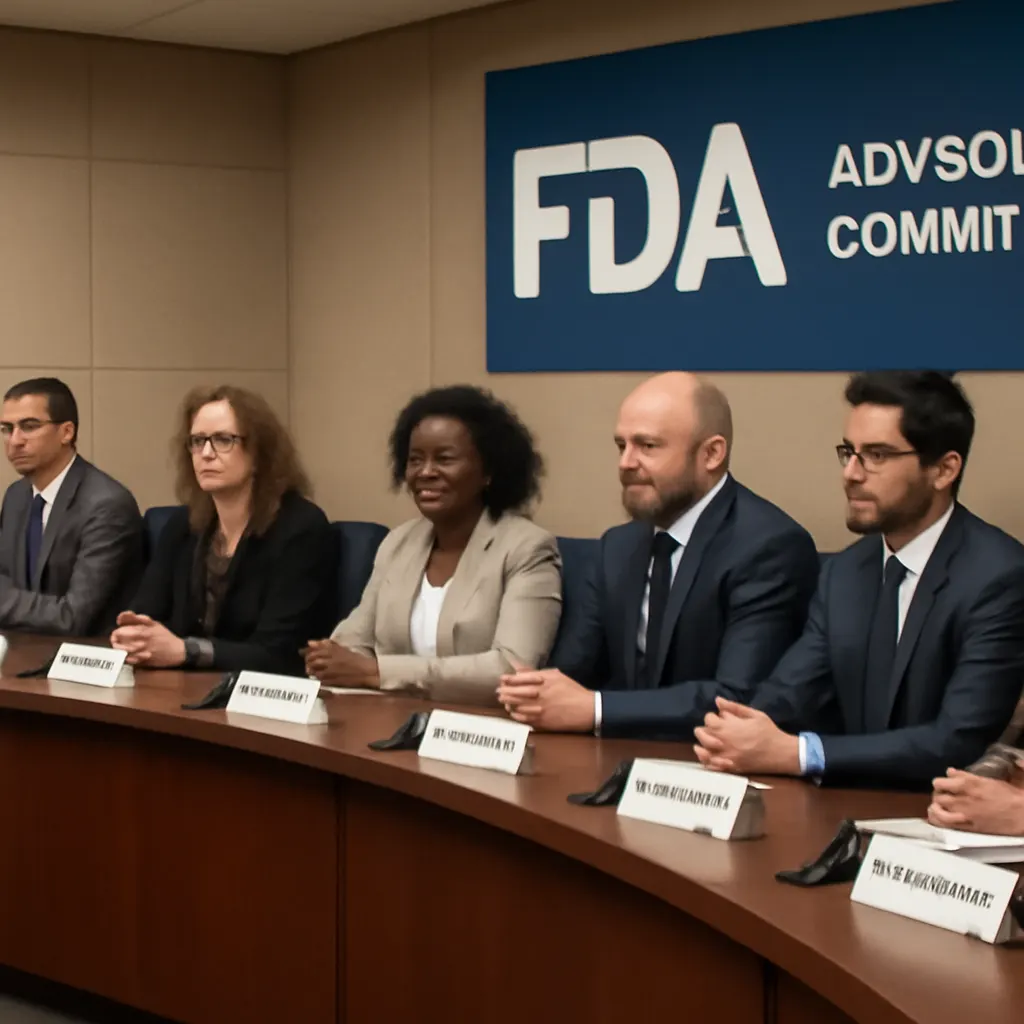
Nearly three years later, the regulatory landscape has shifted. On July 23–24, 2026, the FDA’s Pharmacy Compounding Advisory Committee (PCAC) convened to reconsider the status of seven specific peptides. By the end of the two-day meeting, the committee had voted to recommend clearing six of them—BPC-157, KPV, TB-500, MOTS-c, Epitalon, and Semax—for inclusion on the 503A Bulks List. Only emideltide (DSIP) was rejected, in a narrow 6–7 vote with one abstention.
The votes are non-binding recommendations. The FDA itself will make the final determination on whether to formally add these substances to the 503A Bulks List, a process that could take months. But the signal is unmistakable: the 2023 crackdown is over, and the agency that once warned these peptides posed “significant safety risks” is now clearing a path for licensed pharmacists to compound them once again.

What Was Lost in 2023
To understand the weight of the July 2026 vote, it helps to revisit what happened in late 2023. The FDA designated 19 peptides as Category 2 substances, a classification reserved for bulk drug substances that the agency believes pose significant safety risks or lack sufficient data to support compounding. The list included some of the most commonly prescribed peptides in integrative and functional medicine: BPC-157, TB-500, GHK-Cu, Epitalon, MOTS-c, KPV, and others.
The FDA’s stated rationale cited concerns about immunogenicity (the potential for injected peptides to trigger unintended immune responses), manufacturing complexities related to peptide synthesis, and a paucity of robust human clinical data. In a safety communication, the agency noted that compounded drugs containing BPC-157 specifically may pose risks related to immunogenicity for certain routes of administration.
Physicians and patients pushed back, pointing to years of clinical use and a body of literature—largely in animal models but also in scattered human reports—suggesting therapeutic benefit. BPC-157, for instance, has been studied for ulcerative colitis, wound healing, and musculoskeletal injury. TB-500 has been investigated for its role in tissue repair and recovery. KPV has demonstrated anti-inflammatory properties in preclinical research. But none had cleared the high bar of FDA-approved drug status via the standard new drug application (NDA) pathway.
The 2023 designation effectively drove an entire category of therapeutics out of the regulated compounding market and into the gray market. Unregulated suppliers, operating outside pharmacy oversight, proliferated. Patients who had previously obtained pharmaceutical-grade compounds from licensed 503A pharmacies with valid prescriptions turned to websites selling “research chemicals” or “not for human consumption” formulations. The quality, sterility, and dosing accuracy of these products were, at best, inconsistent—and, at worst, dangerous.
Inside the July 2026 PCAC Meeting
The Pharmacy Compounding Advisory Committee is a panel of external experts—physicians, pharmacists, toxicologists, and patient representatives—that advises the FDA on regulatory matters related to compounding. Its recommendations carry significant weight, though they are not legally binding.
According to meeting coverage reported by STAT News, the committee’s votes were remarkably narrow, reflecting the genuine scientific uncertainty that surrounds these substances. On July 23, the panel voted 8–6 in favor of allowing compounding pharmacies to produce BPC-157, with one abstention. KPV and TB-500 received similar votes. On July 24, the committee voted to recommend MOTS-c, Epitalon, and Semax, while narrowly rejecting emideltide (DSIP) in a 6–7 vote.
The BMJ reported that the six recommended peptides—BPC-157, KPV, TB-500, MOTS-c, Epitalon, and Semax—will now go before the FDA for a final agency decision on inclusion in the 503A Bulks List. LegitScript, which monitors healthcare businesses for regulatory compliance, noted that the committee’s vote effectively endorses the compounding of these six peptides by traditional (503A) compounding pharmacies, provided the final FDA rule aligns with the recommendation.
Several committee members acknowledged the reality that drove the reconsideration: the status quo, in which patients obtained unregulated, potentially contaminated products from gray-market suppliers, was arguably more dangerous than allowing regulated compounding pharmacies to produce the peptides under quality-controlled conditions. The committee weighed the known risks of peptide compounding against the known risks of an unregulated market—and concluded that regulated access was the better option.
The Gray Market Problem
The 2023 ban did not eliminate demand for these peptides. It simply redirected it.
In a June 2026 report, The Guardian documented how patients turned to online suppliers operating outside pharmacy regulations, selling peptides labeled as research chemicals. These products are not subject to FDA oversight, are rarely tested for sterility or purity, and carry no guarantees of dosing accuracy. The PBS NewsHour reported on the political dimension as well, noting that the peptides had become a cause célèbre among supporters of Health and Human Services Secretary Robert F. Kennedy Jr. and the broader “Make America Healthy Again” movement, which has criticized the FDA’s restrictions.
Physicians who prescribed compounded peptides before the 2023 ban reported a sharp decline in patient safety metrics. Patients who switched from pharmacy-compounded BPC-157 to gray-market versions experienced injection site reactions, inconsistent therapeutic effects, and in some cases, infections from contaminated product. The compounding pharmacy industry, represented by groups like the Outsourcing Facilities Association, argued that the FDA’s Category 2 designation had inadvertently created a public health crisis by funneling patients toward unregulated suppliers.
The July 2026 PCAC vote, in effect, is an acknowledgment that the 2023 ban failed to achieve its stated goal of protecting patients. Instead, it exposed them to greater risk.
What the Six Peptides Actually Do
Here is a brief overview of the six peptides recommended for the 503A Bulks List, based on the published literature and clinical applications discussed during the advisory committee meeting:
BPC-157 (Body Protection Compound): A synthetic peptide derived from human gastric juice, investigated for its role in wound healing, tissue repair, and the treatment of inflammatory bowel conditions. Animal studies have demonstrated accelerated healing of tendons, ligaments, and the gastrointestinal tract. Human data remains limited but suggestive of therapeutic potential.
KPV: A tripeptide (three amino acids) with potent anti-inflammatory properties, studied for its ability to reduce inflammation in conditions ranging from inflammatory bowel disease to skin disorders.
TB-500: A synthetic version of a peptide fragment of thymosin beta-4, investigated for tissue repair, wound healing, and recovery from musculoskeletal injury. It has been widely used in sports medicine and regenerative practice.
MOTS-c: A mitochondrial-derived peptide studied for its role in metabolic regulation, exercise capacity, and insulin sensitivity. Research has focused on obesity, diabetes, and metabolic syndrome.
Epitalon: A pineal gland peptide studied for its effects on telomerase activity and cellular aging. Russian research has suggested potential longevity benefits, though robust Western clinical trials are lacking.
Semax: A neuropeptide developed in Russia, investigated for cognitive enhancement, neuroprotection, and attention regulation. It has been used clinically in post-stroke rehabilitation and ADHD.
None of these substances have been approved by the FDA as drugs for any indication. The data supporting their use ranges from preclinical animal studies to small human trials to decades of anecdotal clinical experience. The PCAC vote does not constitute an endorsement of their efficacy—it merely acknowledges that the evidence supports allowing regulated compounding pharmacies to prepare them under appropriate conditions.
What Happens Next
The PCAC vote is a recommendation, not a final rule. The FDA will now conduct its own review of the evidence and issue a formal determination on whether to add these six peptides to the 503A Bulks List. Historically, the agency has followed PCAC recommendations in the majority of cases, though not always. The timeline for a final decision is typically several months.
If the FDA finalizes the addition, 503A compounding pharmacies will once again be permitted to compound these peptides from bulk drug substances, provided they comply with applicable state and federal regulations. Patients would need a valid prescription from a licensed provider. Compounding pharmacies would be subject to USP standards for sterile and non-sterile compounding, depending on the route of administration.
It is worth noting that the 503A Bulks List governs traditional compounding pharmacies, which compound medications based on individual patient prescriptions. The separate 503B category, which covers outsourcing facilities that compound drugs in larger batches without individual prescriptions, is governed by a different list and different rules. The July 2026 vote does not automatically apply to 503B facilities.
For patients currently relying on gray-market suppliers, the advisory committee vote is a signal to wait. Once the FDA finalizes its decision, the safest path is to obtain these peptides from a licensed compounding pharmacy with a valid prescription, where the product is subject to quality control, sterility testing, and dosing accuracy standards.
For physicians who prescribed these peptides before the 2023 ban, the vote represents a restoration of a clinical tool. But it also demands rigor. The evidence base for these substances is evolving, and responsible prescribing requires attention to dosing, route of administration, patient selection, and monitoring for adverse effects.
The peptide crackdown of 2023 was a blunt instrument. The July 2026 vote is a correction—not a vindication of every claim made by peptide enthusiasts, but a recognition that regulated access is preferable to an unregulated market. For patients and clinicians who have spent the last three years navigating that gray zone, it is a step back toward the light.

The article shows the pattern. The app trains the response.
Continue in Tikva to turn the insight into a repeated response.
Open TikvaSources and educational notice
This article is educational. It does not provide a medical diagnosis or replace guidance from a qualified health, legal, tax, investment, or financial professional. Decisions about your health or finances should consider your individual circumstances.
- STAT News — FDA panel backs compounded BPC-157, KPV peptides in narrow vote
- The BMJ — Peptides: US advisory committee recommends six for FDA compounding list
- ABC News — FDA advisory committee votes to add popular peptide BPC-157 to drug compounding list
- LegitScript — What the July 2026 FDA Advisory Committee Meetings on Compounded Peptides Mean
- FDA.gov — July 23-24, 2026: Meeting of the Pharmacy Compounding Advisory Committee
- The Guardian — FDA to discuss easing restrictions on peptides despite safety concerns
FAQ
Can I get BPC-157 from a compounding pharmacy right now?
Not yet. The July 2026 PCAC vote is a non-binding recommendation. The FDA must issue a formal final rule adding these peptides to the 503A Bulks List before licensed compounding pharmacies can legally produce them from bulk drug substances. That process typically takes several months. Until then, the legal status remains restricted under the 2023 Category 2 designation.
Are these peptides FDA-approved drugs?
No. None of the six peptides—BPC-157, KPV, TB-500, MOTS-c, Epitalon, or Semax—have been approved by the FDA as drugs for any specific medical condition. The advisory committee vote concerns compounding access only: whether licensed 503A pharmacies may prepare them from bulk substances with a valid prescription. It does not constitute an FDA determination that these substances are safe or effective for any indication.
What is the difference between the 503A Bulks List and the 503B Bulks List?
Section 503A covers traditional compounding pharmacies that prepare medications based on individual patient prescriptions. Section 503B covers outsourcing facilities that compound larger batches without individual prescriptions. The July 2026 PCAC vote applies only to the 503A Bulks List. A peptide added to the 503A list is not automatically permitted at 503B facilities, which are governed by a separate list and stricter federal requirements.
What should I do if I am currently buying peptides from a gray-market supplier?
The safest option is to wait for the FDA to finalize its decision and then obtain these peptides from a licensed compounding pharmacy with a valid prescription. Gray-market products are not subject to sterility, purity, or dosing standards, and carry documented risks of contamination and inconsistent dosing. Once the 503A rule is finalized, consult a licensed provider who can prescribe and monitor appropriate use.