Key takeaways
- Columbia University researchers found that serotonin can accelerate degenerative mitral regurgitation (DMR) in patients carrying the "long-long" SERT genetic variant — roughly 25% of the US population.
- A 2026 meta-analysis reported an odds ratio of 2.76 for heart valve disease associated with SERT-modifying drugs, with paroxetine and sertraline showing the strongest pharmacovigilance signals.
- SSRIs block the serotonin transporter (SERT) throughout the body, not just in the brain — potentially deepening collagen overproduction in genetically susceptible mitral valves.
- The Columbia team analyzed ~9,000 patient records and recommends closer echocardiographic monitoring and earlier surgical planning for long-long variant patients with DMR.
- The findings apply to patients with existing or developing valve disease, not healthy hearts — researchers explicitly caution against stopping SSRIs without medical supervision.
On July 24, 2026, peer-reviewed findings from Columbia University dropped a finding that reframes how we think about the body's most famous neurotransmitter. Serotonin — the molecule synonymous with mood regulation, antidepressants, and a billion-dollar wellness industry — has a dangerous second act. In patients with a specific genetic makeup, it appears to accelerate degenerative mitral regurgitation, a progressive and potentially life-threatening heart valve disease.
What makes the discovery jarring is not just the biology. It's the scale of the population that could be affected. Roughly one in four adults in the United States carries the "long-long" variant of the SERT gene — the very genetic fingerprint the Columbia team identified as the trigger for serotonin-driven valve damage. Pair that with the tens of millions of Americans taking selective serotonin reuptake inhibitors (SSRIs), and the study published this week demands attention from cardiologists, psychiatrists, and anyone who has ever swallowed a pill stamped with the word "serotonin."
The Science: How the 'Happy Chemical' Turns on the Heart
Serotonin's role in the brain is well established: it stabilizes mood, governs sleep, and helps regulate anxiety. But nearly 90 percent of the body's serotonin actually lives in the gut, and the molecule operates as a signaling agent throughout the cardiovascular system. Columbia's research, led by investigators in the Department of Surgery, zeroed in on the mitral valve — the gatekeeper between the heart's left atrium and left ventricle — and discovered that serotonin can push valve cells into a pathological overdrive.
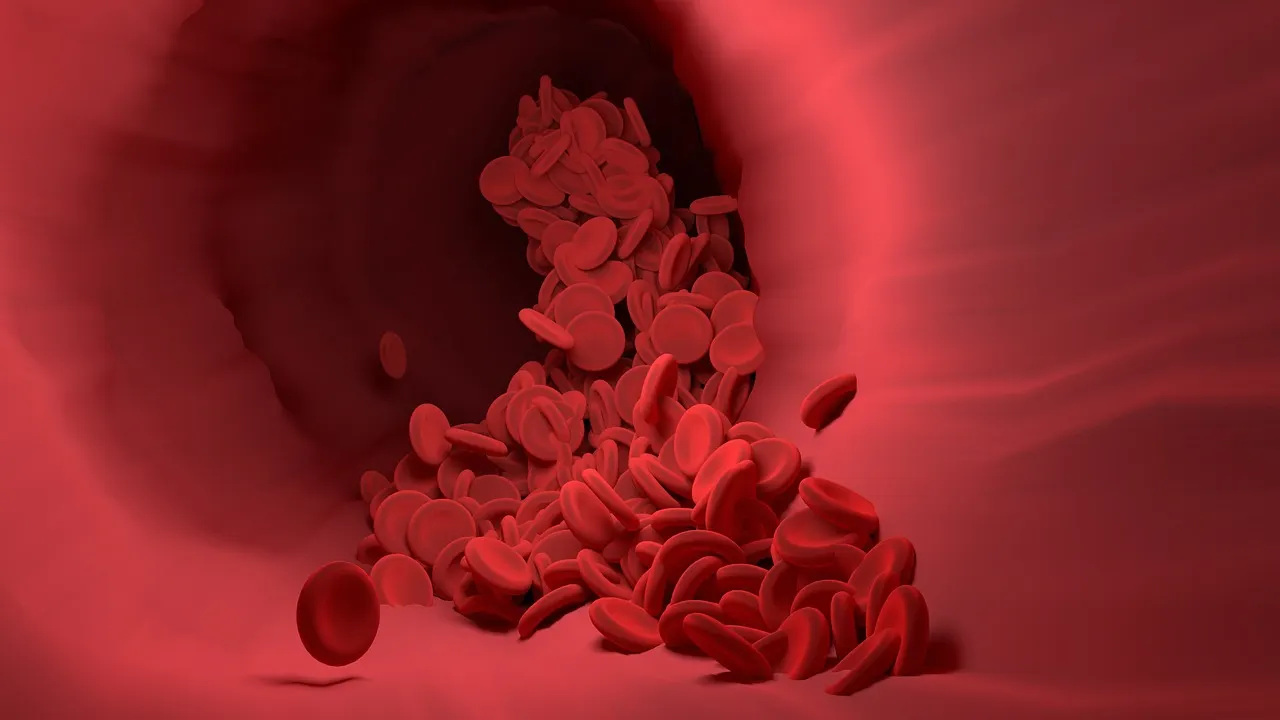
The mechanism hinges on fibrosis. Mitral valve cells exposed to high serotonin signaling begin overproducing collagen, the structural protein that gives tissue its stiffness. In a healthy valve, collagen provides necessary support. But when collagen accumulates unchecked, the valve's leaflets thicken, lose flexibility, and fail to seal properly. Blood leaks backward with every heartbeat — the defining feature of degenerative mitral regurgitation (DMR). Over time, the heart enlarges, rhythm disturbances emerge, and the risk of heart failure climbs.
The Genetic Trigger: The 'Long-Long' Variant
The Columbia team analyzed approximately 9,000 patient records and discovered that the serotonin risk is not evenly distributed. It clusters sharply in people carrying what geneticists call the "long-long" variant of the SLC6A4 gene, which encodes the serotonin transporter (SERT) — a protein that sweeps serotonin out of tissue and back into cells for recycling.
Think of SERT as a cleanup crew. The long-long variant means a patient inherits two copies of a less-active form of the transporter. Serotonin lingers longer in the valve tissue, signaling cells to keep manufacturing collagen. The Columbia researchers found that mitral valve cells taken from DMR patients with the long-long variant were markedly more reactive to serotonin, churning out more collagen than cells from patients with other variants of the gene.
This is where SSRIs enter the picture. SSRIs — drugs like fluoxetine (Prozac), sertraline (Zoloft), paroxetine (Paxil), and escitalopram (Lexapro) — work precisely by blocking SERT in the brain, which is why they're effective at keeping serotonin available to stabilize mood. But they also block SERT throughout the body. For a long-long patient with an already-compromised valve, an SSRI effectively deepens the serotonin traffic jam in mitral tissue.
The SSRI Question: What the Data Actually Says
Before panic sets in, let's be precise about what the Columbia study does — and does not — say.
The findings apply specifically to patients who already have degenerative mitral valve disease or a genetic predisposition toward it. The research does not suggest that SSRIs cause valve damage in people with healthy hearts. "The findings do not suggest that SSRIs generally damage healthy heart valves," the ScienceDaily summary of the Columbia work noted. "They also do not justify stopping or changing antidepressant treatment without consulting a physician."
That said, the broader pharmacological picture is harder to dismiss. A 2026 systematic review and meta-analysis — covered in European Journal of Pharmacology — pooled global data on SERT-inhibiting drugs and found an odds ratio of 2.76 for heart valve disease. A separate pharmacovigilance analysis published in PMC in 2026 flagged paroxetine, sertraline, and (to a lesser extent) fluoxetine with safety signals for valvular incompetence. And an earlier multicenter observational study found that patients with DMR who took SSRIs required mitral valve surgery earlier than those who did not.
The emerging consensus: serotonin is not universally toxic to valves, but in a genetically susceptible subset of patients — and especially those whose valves are already deteriorating — SSRIs appear to accelerate the timeline.
A Discovery Born From Clinical Detective Work
The Columbia research did not begin as a hunt for serotonin. According to a detailed report by ScienceBlog, the team was combing through roughly 9,000 patient records looking for something else entirely when they stumbled onto a statistical pattern: patients with degenerative mitral regurgitation who were taking SSRIs appeared to progress toward surgical intervention faster than expected. That anomaly prompted the lab to ask whether serotonin signaling itself might be driving valve deterioration.
The Ferrari Lab at Columbia University has spent years investigating the connection. Their prior research, including a 2023 study published in PMC, showed that short-term inhibition of SERT activity in mitral valve interstitial cells was enough to induce pro-fibrotic changes — essentially priming the cells to overproduce collagen. The 2026 findings cement the clinical relevance of that mechanism.
Historical Context: The Fen-Phen Precedent
If the idea of serotonin damaging heart valves sounds familiar, it should. In the late 1990s, the weight-loss drug fenfluramine-phentermine (fen-phen) was pulled from the market after being linked to valvular heart disease. Fenfluramine caused the body to flood tissue with serotonin, producing the same kind of fibrotic thickening the Columbia team is now describing — just through a different route. The fen-phen episode proved that systemic serotonin overload can physically reshape heart valves. What's new in 2026 is the identification of a genetic subgroup for whom ordinary serotonin signaling — amplified by SSRIs — may do the same thing over time.
What This Means for the 1 in 4
The "long-long" SERT variant is not rare. Depending on the population studied, it appears in 20 to 30 percent of people of European descent and at comparable or higher rates in other groups. If you have it, your serotonin transporter is less efficient by design. That may affect everything from your stress response to your susceptibility to depression — and now, potentially, how your mitral valve responds to a common class of antidepressants.
Researchers stress that the findings point toward targeted monitoring, not wholesale avoidance of SSRIs. The Columbia team suggests that DMR patients with the long-long variant might warrant closer echocardiographic surveillance, earlier surgical planning, or a conversation about alternative antidepressant classes (such as bupropion, which acts on dopamine and norepinephrine rather than serotonin).
None of this means you should stop taking your medication. But if you have a known mitral valve issue, a family history of valve disease, or a previous echocardiogram showing even mild regurgitation, ask your cardiologist whether genetic testing for the SERT variant is warranted — and make sure your psychiatrist knows about your cardiac history before the next refill.
The Bigger Picture: Rethinking a 'Happy Chemical'
Serotonin's branding as the "happy chemical" has always been a simplification. It regulates intestinal motility, blood clotting, bone metabolism, and vascular tone. The Columbia discovery adds valve integrity to that list and reminds us that molecules rarely do just one thing. A neurotransmitter that lifts mood in the brain can, under the right genetic conditions, stiffen tissue in the heart.
The practical path forward is precision medicine. As genetic testing becomes cheaper and more routine, the ability to flag patients whose serotonin transporters are underperforming — before they spend a decade on an SSRI — could prevent thousands of premature valve surgeries. That's not a reason to fear serotonin. It's a reason to know your genome.
The article shows the pattern. The app trains the response.
Continue in Tikva to turn the insight into a repeated response.
Open TikvaSources and educational notice
This article is educational. It does not provide a medical diagnosis or replace guidance from a qualified health, legal, tax, investment, or financial professional. Decisions about your health or finances should consider your individual circumstances.
- ScienceDaily — Columbia scientists discover surprising link between serotonin and heart valve disease (July 2026)
- Columbia Surgery — Researchers find link between serotonin and heart valve disease
- Medical Daily — Serotonin may speed heart valve deterioration in certain patients (2026 meta-analysis, OR 2.76)
- PMC — Cardiac Valvular Incompetence Associated With Selective Serotonin Reuptake Inhibitors (2026 pharmacovigilance analysis)
- ScienceBlog — Columbia researchers pulled 9,000 patient records and found SSRI link to failing heart valves
- Children's Hospital of Philadelphia — Serotonin can contribute to heart valve disease progression (SERT long-long variant research)
FAQ
Should I stop taking my SSRI if I have heart valve issues?
No. The Columbia researchers explicitly caution that their findings do not justify stopping or changing antidepressant medication without consulting a physician. The risk identified applies to a specific subset of patients — those with existing valve disease and the long-long SERT genetic variant. If you have concerns, talk to both your cardiologist and psychiatrist before making any changes.
How do I know if I have the 'long-long' SERT variant?
Genetic testing through a healthcare provider can identify your SERT (SLC6A4) variant. The test is not yet part of routine cardiac screening, but if you have degenerative mitral regurgitation or a family history of valve disease, ask your cardiologist whether testing is appropriate. Roughly one in four people carry the long-long variant.
Does this mean SSRIs are dangerous for everyone?
No. The Columbia study found that SSRIs do not damage healthy heart valves. The risk of accelerated valve deterioration appears limited to patients who already have degenerative mitral valve disease or a genetic predisposition to it. For the vast majority of SSRI users, the cardiovascular risks identified in this study are not a concern.
What heart valve symptoms should prompt an evaluation?
Degenerative mitral regurgitation often produces no symptoms until it becomes advanced. When symptoms do appear, they can include shortness of breath (especially during exertion), fatigue, palpitations, and swelling in the legs or feet. An echocardiogram is the standard diagnostic tool. If you have a heart murmur or any of these symptoms, ask your doctor about cardiac imaging.