Key takeaways
- Ultra-processed foods are NOVA group 4 industrial formulations; they supply 55% of U.S. calories — 53% for adults and 62% for children.
- The 5-ingredient rule — skip any package with 5+ ingredients or an ingredient your kitchen doesn't stock — flags most ultra-processed items.
- A 2024 BMJ umbrella review of 45 pooled analyses from 14 meta-analyses (nearly 10 million people) linked higher intake to a ~50% higher risk of cardiovascular-related death and a 12% higher risk of type 2 diabetes.
- Eggs and olive oil are not ultra-processed (NOVA groups 1 and 2); peanut butter becomes ultra-processed only when it adds sugar, oils, or emulsifiers.
- The top U.S. ultra-processed calorie sources are sandwiches, sweet baked goods, savory snacks, pizza, and sugary drinks — cutting these first delivers the biggest reduction.
Ultra processed foods are industrial formulations built from substances extracted from food — modified starches, hydrogenated oils, emulsifiers, colors, and sweeteners — with little whole food left. The grocery test: skip any package with 5+ ingredients, or an ingredient your kitchen doesn't stock. That rule eliminates most of the ultra-processed food Americans eat, currently 55% of all calories.
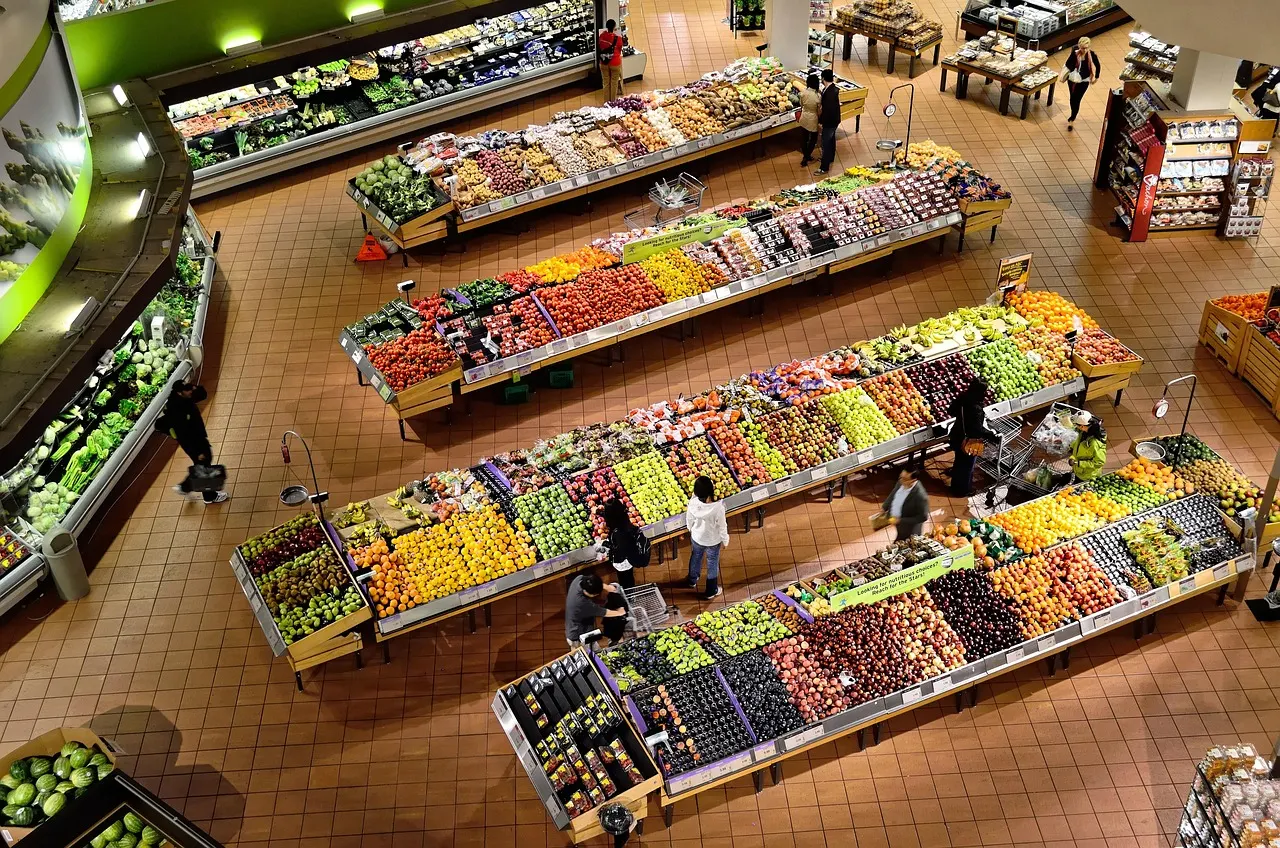
Most people assume cutting ultra-processed food means overhauling their kitchen, counting calories, or cooking everything from scratch. It doesn't. The evidence links dose to risk, so the biggest win is subtraction: removing the highest-volume ultra-processed items rather than chasing a perfect diet. A five-second label check does more than most plans.
What Counts as Ultra Processed Food?
The most widely used definition comes from NOVA, a four-tier food classification system created by Brazilian researchers and used by the CDC, Harvard's nutrition researchers, and global health agencies. It sorts food by how much it has been changed from its original state:
- Group 1 — unprocessed or minimally processed: whole foods such as eggs, vegetables, fruit, meat, milk, rice, beans, and nuts.
- Group 2 — processed culinary ingredients: salt, sugar, honey, oils, butter, and vinegar, pressed, ground, or refined from group 1 foods.
- Group 3 — processed foods: group 1 foods with salt, sugar, or oil added, such as canned fish, cheese, cured meats, pickles, and freshly baked bread.
- Group 4 — ultra-processed foods: industrial formulations built mostly from additives and extracted substances — sodas, packaged snacks, sweetened cereals, frozen meals, packaged cakes, and reconstituted meats like chicken nuggets.
The original NOVA paper by Carlos Monteiro and colleagues defines them as "formulations of ingredients, mostly of exclusive industrial use." Ultra-processed products tend to be high in added sugar, salt, and unhealthy fats, and low in fiber and protein — but the category is defined by the process, not the nutrient profile.
That settles two questions that come up constantly. Eggs are group 1, a single whole food, so they are not ultra-processed. Olive oil is group 2, pressed straight from olives with no additives, so it isn't either. Peanut butter depends on the jar: peanuts plus salt is group 1 or 2; add sugar, hydrogenated oil, and emulsifiers and it moves to group 4.
How to Identify Ultra Processed Foods: The 5-Ingredient Rule
Here's the whole system in one sentence: if a package has five or more ingredients, or any ingredient you wouldn't find in your own kitchen, treat it as ultra-processed and put it back. Two questions, five seconds, no calorie math:
- Count the ingredients. Five or more on a packaged product is the cutoff — real food rarely needs a crowd of ingredients to exist.
- Check every ingredient against your kitchen. Emulsifiers such as soy lecithin and mono- and diglycerides, modified starches, artificial colors, artificial sweeteners, and "natural flavor" are industrial ingredients, not pantry staples.

The rule works because the NOVA group 4 category is defined by additives and extracted substances, and those show up as extra ingredients. Almost every ultra-processed product fails one of the two questions. Some real-world swaps:
- Buy the bread with four ingredients — flour, water, yeast, salt. Skip the "whole grain" loaf with 20, including monoglycerides and calcium propionate.
- Buy two-ingredient natural peanut butter. Skip the version with added sugar, palm oil, and emulsifiers.
- Buy plain yogurt. Skip the flavored cup with modified corn starch and carrageenan.
- Buy canned tomatoes with salt. Skip the pasta sauce with sugar, "natural flavor," and thickeners.
The rule also spares you from false alarms. Frozen broccoli, canned beans, and bagged salad are all group 1 — freezing and canning count as minimal processing. Fortified breakfast cereals, on the other hand, are usually group 4 even when the marketing copy reads like a vitamin supplement.
The rule is a heuristic, not a law. A few group 3 foods, like some aged cheeses, list more than five ingredients, and a few ultra-processed items keep their lists short. When in doubt, the kitchen test is the stronger signal: an ingredient you've never cooked with means the product was made in a factory, not a kitchen.
How Much Ultra Processed Food Can You Eat?
No authority has set a single official cap, because the research shows a dose-response relationship: more exposure, higher risk. That makes the direction of change matter more than a magic number. Here's the evidence behind that.
A 2024 umbrella review in The BMJ pooled 45 meta-analyses from 14 review articles covering nearly 10 million people. With convincing evidence, it linked higher ultra-processed intake to roughly a 50% higher risk of cardiovascular disease-related death, a 48–53% higher risk of anxiety and common mental disorders, and a 12% higher risk of type 2 diabetes. Highly suggestive evidence linked it to a 21% higher risk of death from any cause, a 40–66% higher risk of heart-disease death, obesity, type 2 diabetes, and sleep problems, and a 22% higher risk of depression.
The context is a 2025 report from the CDC's National Center for Health Statistics, which put ultra-processed food at 55% of calories in the average American diet — 53% for adults and 62% for children. Sandwiches and burgers, sweet baked goods, savory snacks, pizza, and sugary drinks are the top five sources for both groups.
On the practical question of how much is acceptable, the honest answer is: as little as you can sustain, with the biggest gains at the top of the list. The World Health Organization's healthy-diet guidance targets the exact ingredients that dominate ultra-processed food — free sugars under 10% of energy, salt under 5 grams a day, and no industrially produced trans fats. Brazil's national dietary guidelines, which introduced NOVA, go further and recommend avoiding ultra-processed foods entirely. Cutting your own biggest sources gets most of the benefit without needing to hit zero.
One caveat: this is observational evidence, not a controlled trial. The BMJ authors graded the confidence of each finding by strict criteria, and confounders can't be fully excluded. Even so, the consistency across 45 pooled analyses and the clear dose-response pattern are why major health agencies treat high ultra-processed intake as a problem worth acting on now.
What to Do This Week: The 5-Ingredient Grocery Run
None of this requires a meal plan or a spreadsheet. This week, do one grocery run differently:
- Shop the perimeter first — produce, meat, fish, dairy, and eggs are almost all NOVA group 1 or 2.
- Apply the two-question test to every package that goes in the cart.
- Identify your personal top three ultra-processed foods and pick a one- or two-ingredient swap for each. Soda to sparkling water with lemon; flavored yogurt to plain with berries; chips to roasted nuts.
- Keep a running swap list. The goal isn't perfection — it's shrinking your share below the American average, because every reduction moves the dose-response line.
Set the target realistically: you don't need zero, you need "less than last month." And if you have a medical condition, are pregnant, or take medication — including GLP-1 drugs — check with your clinician before making major dietary changes.
You now know more about what's in your food than the packaging wants you to. That's the whole point: the food industry spends heavily to make labels hard to read, and a five-second rule makes the label irrelevant.
The article shows the pattern. The app trains the response.
Continue in Tikva to turn the insight into a repeated response.
Open TikvaSources and educational notice
This article is educational. It does not provide a medical diagnosis or replace guidance from a qualified health, legal, tax, investment, or financial professional. Decisions about your health or finances should consider your individual circumstances.
- The BMJ (Lane et al., 2024) — umbrella review of 45 pooled analyses from 14 meta-analyses linking ultra-processed food to adverse health outcomes
- CDC/NCHS Data Brief 536 (2025) — ultra-processed food at 55% of U.S. calories, 53% for adults, 62% for children
- Harvard T.H. Chan School of Public Health — processed and ultra-processed foods overview
- Monteiro et al. (2016) — the NOVA food classification system
- World Health Organization — healthy diet fact sheet (free sugars, salt, and trans fat guidance)
FAQ
What counts as ultra-processed food?
Ultra-processed foods are industrial formulations made mostly from substances extracted from whole foods plus additives — sodas, packaged snacks, sweetened cereals, frozen meals, packaged breads, and reconstituted meats like nuggets. NOVA, the four-tier classification system, calls them group 4. Eggs, vegetables, and plain yogurt sit in group 1, so they don't count.
Are eggs ultra-processed?
No. Eggs are NOVA group 1 — unprocessed or minimally processed whole food — the same category as vegetables, fruit, and meat. A plain egg has one ingredient, so it passes the 5-ingredient rule instantly. Cooking method doesn't change the category: scrambled, poached, or boiled, eggs are not ultra-processed and carry none of the additives that define group 4.
Is olive oil ultra-processed?
No. Olive oil is NOVA group 2, a processed culinary ingredient made by pressing or extracting olives — no additives, no industrial substances. Its single ingredient passes the 5-ingredient rule. The same applies to other group 2 staples: salt, sugar, butter, and vinegar are processed, not ultra-processed, and none of them count as group 4.
How much ultra-processed food can I eat?
No official cap exists, because the evidence shows a dose-response relationship — risk rises as intake rises. The practical answer is to eat as little as you can sustain, and the fastest win is cutting your top sources: sugary drinks, sweet baked goods, and savory snacks. Brazil's national guidelines recommend avoiding ultra-processed foods entirely.
Is peanut butter ultra-processed?
Only some jars. Peanut butter made from just peanuts and maybe salt is NOVA group 1 or 2 — not ultra-processed. Commercial peanut butter with added sugar, hydrogenated palm oil, and emulsifiers like mono- and diglycerides is NOVA group 4. Apply the 5-ingredient rule: a short, recognizable list means it's safe; additives mean it's not.